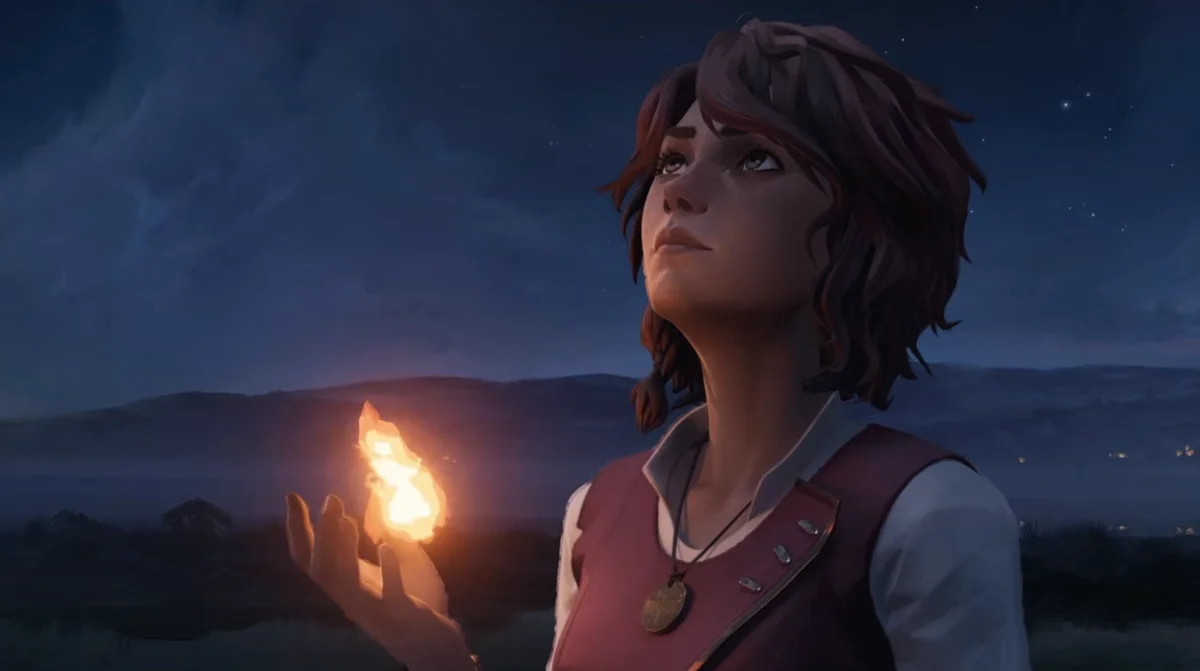
Netflix's announcement of Planeswalker at MagicCon Atlanta marks a turning point for a project that has been in development limbo since June 2019. The animated series, revealed on Twitter/X on 13th November, arrives in 2027—nearly eight years after its original announcement. That timeline tells you everything about the challenges of translating beloved gaming franchises into prestige television, regardless of the talent attached.
When the Russo brothers, fresh off Avengers: Endgame, were initially brought on to helm the series, it seemed like a slam dunk. Two Oscar-winning directors, a massive global property, and Netflix's deep pockets should have guaranteed success. Yet creative differences forced the original showrunners to depart, and the project was essentially scrapped and restarted. This isn't a minor pivot—it's a complete creative reset that suggests the Russos' vision for Magic simply didn't align with what Netflix and Wizards of the Coast ultimately wanted to tell.
Enter Terry Matalas, who most recently ran Marvel's VisionQuest alongside stints on Star Trek: Picard and 12 Monkeys. Matalas and co-showrunner Cindy Appel now steer Planeswalker toward a story centered on Chandra Nalaar, a volatile pyromancer hunted for her gifts and haunted by her past, who must band together with legendary Planeswalkers to prevent catastrophic war. It's solid fantasy fare on paper, but we've heard compelling pitches before from projects that ultimately disappointed. With DIGIC Pictures, a Budapest-based animation studio, handling production, there are fewer marquee names to lean on—which means execution becomes everything.
The larger issue Netflix faces isn't unique to Magic. The streaming giant has struggled to crack gaming adaptations into must-watch events. Castlevania succeeded, yes, but too many high-profile gaming projects have underperformed or languished. When Donald Glover announced he'd direct, write, executive produce, and star in a PUBG live-action series for Netflix, it felt like the company was throwing another celebrity name at the problem. Glover's two Emmys and Golden Globe wins are legitimate credentials, and PUBG's seven Guinness World Records and role in popularizing the battle royale genre provide rich source material.
The real question isn't whether Planeswalker or the PUBG series will succeed—it's whether Netflix has learned that gaming franchises require patient, thoughtful adaptation rather than quick celebrity attachments. A 2027 release means we're still years away from judging whether the creative reset and fresh leadership actually solved Planeswalker's fundamental problems. Until then, the show's delayed arrival remains the loudest statement Netflix has made about its gaming adaptation strategy: even with the right people involved, these projects are far harder to crack than they appear.