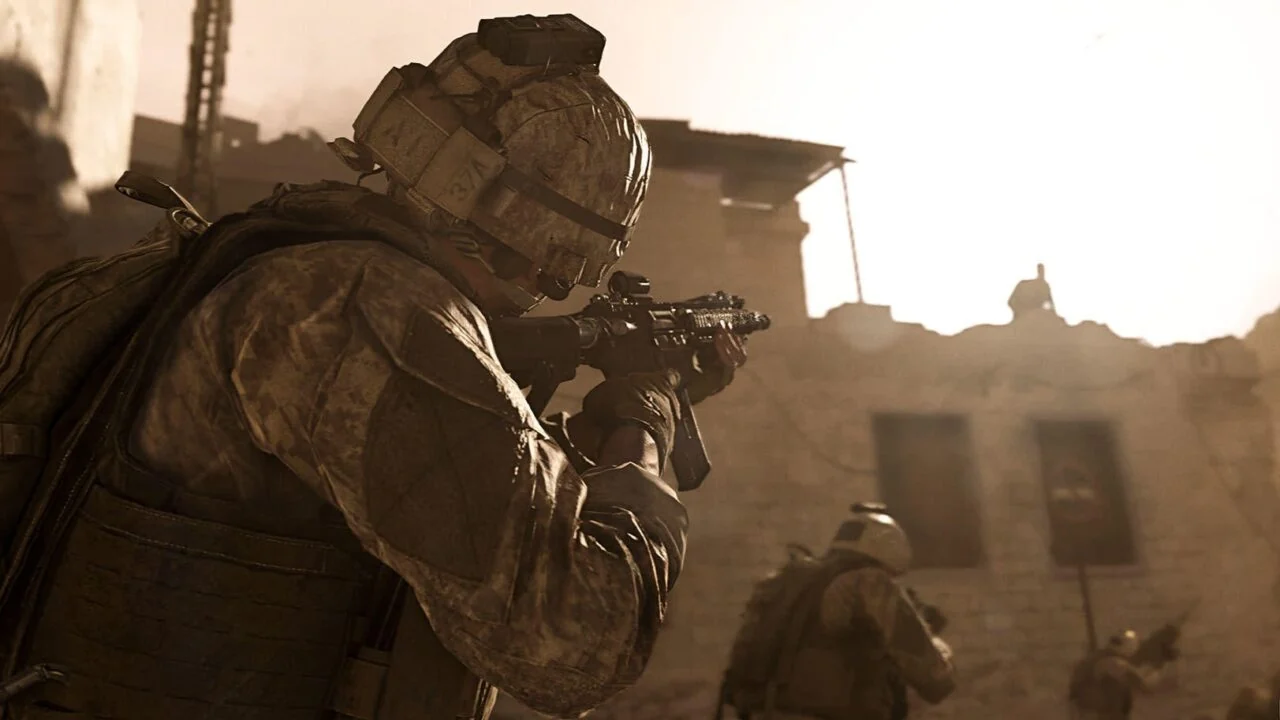
# Call of Duty Movie Director Promises War Stories the Games Have Never Delivered
The upcoming Call of Duty film has a storytelling problem before cameras even roll. The director promises a narrative exploration of war's human cost, but the franchise built on military gunplay has consistently sidestepped that very conversation across two decades of releases.
Call of Duty campaigns have sold hundreds of millions of copies by delivering visceral combat spectacle, not moral complexity. The series lets players level entire city blocks, call in killstreaks, and gun down soldiers across globe-spanning conflicts without pause for reflection. Modern Warfare 2's infamous "No Russian" mission remains the franchise's only attempt at controversy, and it felt more like shock value than genuine examination.
The film director's promise to explore consequences differs sharply from how Infinity Ward, Treyarch, and Sledgehammer Games have handled narrative across the mainline entries. Black Ops attempted political intrigue and historical fiction around Vietnam. Modern Warfare rebooted the formula with glossy present-day conflicts. Cold War pivoted to historical events with cartoon villains. None wrestled seriously with what war actually costs ordinary people.
This creates genuine tension. Hollywood Call of Duty adaptations already faced skepticism. The 2015 David Fincher project never materialized. A Colin D'Cuello directed film entered development hell repeatedly. Now a production moves forward with fresh creative intent, but the source material fundamentally resists that mission.
Players come to Call of Duty for multiplayer dominance and campaign objectives, not philosophical reckoning. The game's design celebrates firepower, precision, and tactical superiority. Slowing for introspection breaks the pacing that makes interactive combat work. Few players replay campaigns for narrative depth. They chase operator skins, unlock weapon camos, and dominate ranked playlists.
The movie format permits what games resist. Directors can dedicate screen time to character development, show aftermath of combat operations, follow soldiers struggling with trauma. Films have leaned hard into military authenticity recently. Top Gun: Maverick succeeded partly through sincere character work. The Trauma Cleaner and Full Metal Jacket proved war stories resonate when filmmakers commit to human stakes.
Yet adapting Call of Duty creates immediate expectations. Fans want recognizable maps, memorable characters, and the explosive setpieces that define the franchise. Serious war storytelling risks alienating the audience that loves killstreak announcements and multiplayer dominance. Studios face pressure to deliver both spectacle and substance.
The director's vision matters. Studios have greenlit military adaptations that embraced moral ambiguity. Sicario explored dirty realism in border conflict. War Machine critiqued command structure dysfunction. Neither film performed blockbuster numbers, but both found audiences craving authenticity.
Call of Duty needs that seriousness. The franchise has never explored what soldiers face after firefights end, how orders create moral compromise, or why civilians flee combat zones. The multiplayer meta-game celebrates kills without context. A film could finally interrogate that emptiness.
Success means resisting franchise fan service. The director must trust that audiences crave meaningful war storytelling enough to overlook missing Nuketown or familiar operators. Call of Duty players deserve that depth. The franchise has earned enough cultural momentum to attempt it.