Dave Oshry, head of New Blood Interactive, has publicly stated that marketing an immersive sim means avoiding the term "immersive sim" altogether. The studio publisher was discussing Gloomwood, their stealth-focused first-person title currently in early access, when he offered this blunt take on genre nomenclature and sales strategy.
Oshry's position stems from a practical market observation. "System Shock and Deus Ex, they were RPGs. People called them RPGs," he noted, pointing to how classic immersive sims historically avoided the term that now defines them. The label "immersive sim" carries baggage in the consumer space. Players unfamiliar with the designation often don't know what to expect. Marketing departments struggle to package games that blend stealth, systems-driven gameplay, environmental storytelling, and player agency into a single neat pitch.
The immersive sim label itself remains contested. There is no consensus definition. Some argue the genre requires specific mechanics like physics-based puzzles, NPC schedules, and branching approaches to objectives. Others point to Thief, System Shock, Deus Ex, and Prey as core examples but disagree on what those games share structurally. The ambiguity creates a marketing problem for publishers like New Blood Interactive who operate on smaller budgets than AAA studios.
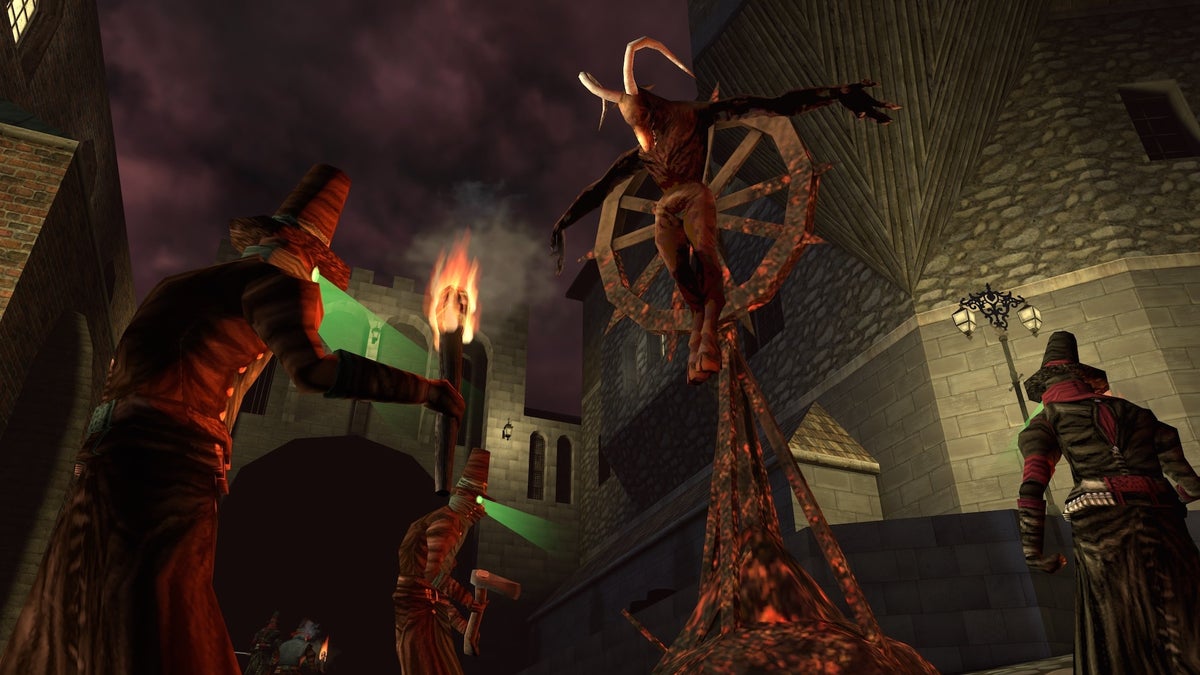
Gloomwood, developed by Dusk creator David Szymanski, embraces immersive sim DNA. Players navigate a gas-lit metropolis using stealth, environmental manipulation, and non-lethal solutions. The game offers multiple routes through levels, NPC interactions that matter, and a world that reacts to player choices. By every meaningful definition, it's an immersive sim. Yet New Blood faces a choice. Do they use terminology that accurately describes the experience but confuses the average Steam browser? Or do they reach for familiar language like "stealth game" or "first-person adventure" that sells copies?
This tension reflects a larger industry problem. Immersive sims enjoy cult followings but struggle with mainstream penetration. Arkane's Prey bombed commercially in 2017 despite critical acclaim. Dishonored 2, while successful, underperformed compared to its predecessor. Even Deathloop, backed by Sony and released on PlayStation 5, faced player frustration over its design philosophy. These games demand more from players than typical shooters or action games. They require patience, experimentation, and acceptance of failure states.
New Blood Interactive has built its brand on uncompromising design. Dusk, Amid Evil, and Ultrakill all received cult praise by embracing specific visions over mass appeal. However, Gloomwood represents a slightly different calculation. Early access sales determine development funding. A misunderstood genre label could tank visibility on storefront algorithms.
The solution Oshry implies involves honest but accessible marketing. Emphasize stealth, emphasize freedom, emphasize consequence. Describe the gameplay loop without using jargon that requires a primer. Let players discover they're playing an immersive sim through experience rather than storefront tags.
This approach mirrors how Arkane Studios marketed Dishonored to action-game audiences before the term "immersive sim" gained traction. It also reflects changing industry attitudes toward genre classification itself. Boundaries blur constantly. Is Baldur's Gate 3 an RPG, a strategy game, or a narrative experience? Genre labels serve retailers and streamers now more than players.
For Gloomwood specifically, New Blood's strategy makes commercial sense. The stealth angle, the Victorian-industrial setting, the promise of multiple solutions to problems. These hook potential players. The immersive sim architecture serves those hooks. Whether the term lives on depends on whether players find it themselves.