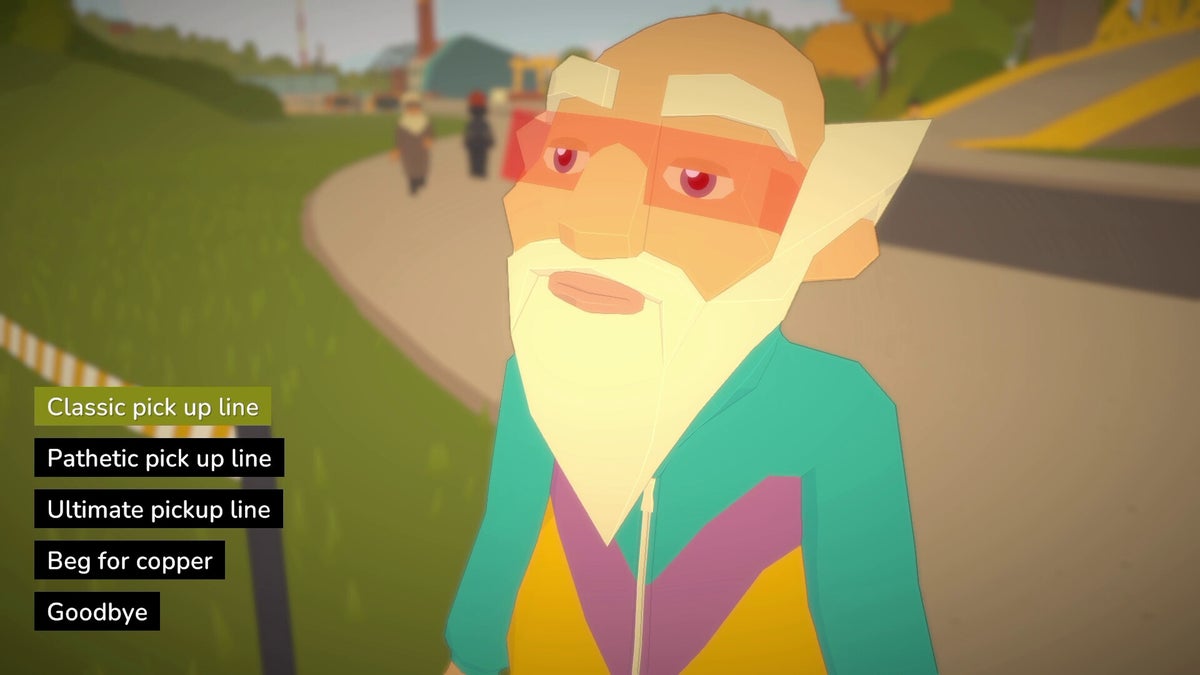
Paolo Pedercini, developer of the open-world eco-satire Future? No Thanks!, has removed AI-generated voices from his game and extended refunds to players upset by the discovery. The move comes after Pedercini disclosed his use of synthetic voices earlier this week, triggering backlash from a playerbase already primed to scrutinize the title's messaging.
Future? No Thanks! positions itself as a critique of technology and corporate excess. The irony of using AI-generated voices within a game that satirizes tech's harms was not lost on players or observers. Pedercini's belated disclosure and subsequent remedy represent a rare instance of a developer capitulating to player concerns about AI implementation in games, particularly when that implementation contradicts the game's thematic core.
The decision to offer refunds via PayPal or Venmo to anyone who "still feel[s] betrayed" suggests Pedercini recognized the tension between the game's anti-technology stance and his production choices. This approach sidesteps the more common developer response of defending artistic or commercial necessity. Instead, Pedercini effectively acknowledged that using AI voice synthesis contradicted the game's own message.
The broader context matters here. Player sentiment around AI-generated content in games remains volatile. Some see it as a labor-saving tool; others view it as a threat to voice actors and creative workers. Games like Stalker 2 have faced criticism for deploying AI upscaling technology without disclosure. Meanwhile, the indie space has become increasingly vocal about AI ethics, with several developers and publishers pledging not to use generative AI in their work.
Future? No Thanks! launched into an environment already sensitized to these questions. An open-world satire of late-stage capitalism and ecological collapse would naturally attract players skeptical of technological shortcuts, making the AI voice choice especially ill-fitting. Pedercini's own stated opposition to AI as "technofascist, anti-human, and anti-art" made the discrepancy between philosophy and practice untenable.
The refund offer carries symbolic weight. It treats player objection not as baseless nostalgia or luddism, but as legitimate moral concern. This stands apart from studios that dismiss AI criticism outright or bury disclosure in patch notes. Whether Pedercini's approach becomes precedent or remains an anomaly depends on how the industry's larger players respond to similar pressure.
For Future? No Thanks! specifically, the removal of AI voices and refund availability may actually strengthen player trust. The game's audience values thematic coherence and ethical consistency. By acting decisively, Pedercini demonstrated that these values matter more than sunk production costs. That matters less for the game's commercial viability than for its credibility as a work of satire. A game critiquing technological excess loses its bite if it cuts corners with the very technologies it attacks.