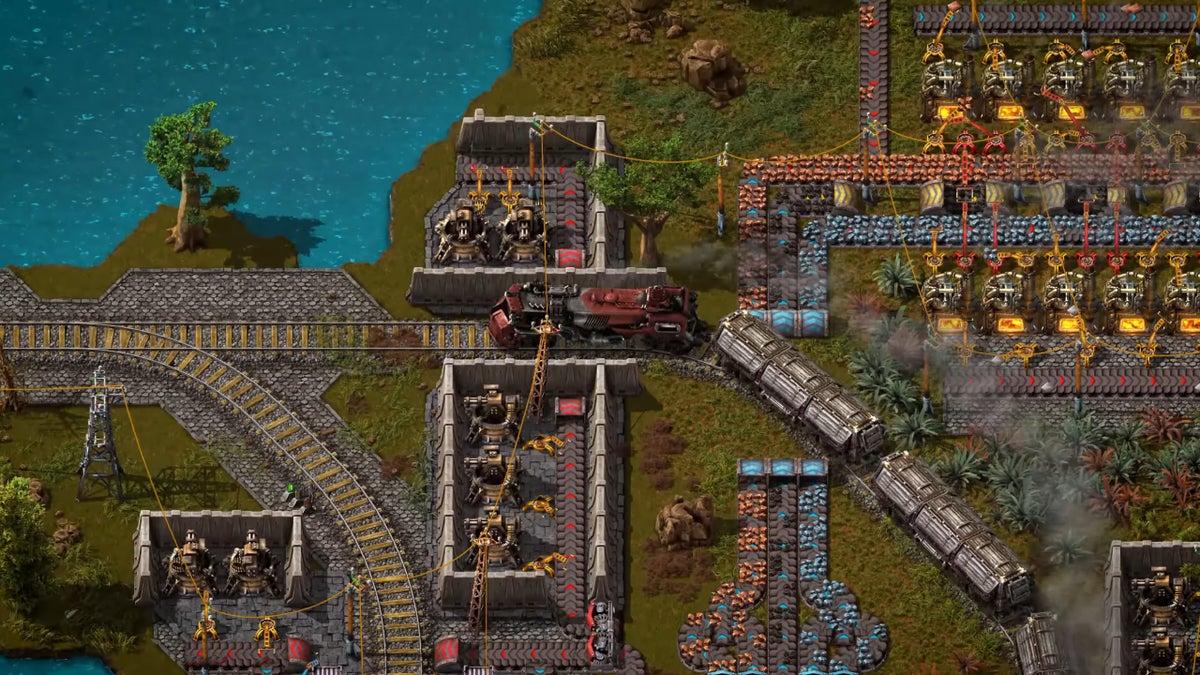
Factorio developer Wube Software has released version 2.1, the final major update for the factory-building simulation game. This marks the end of active development on new features, shifting the studio toward long-term support and new projects.
Version 2.1 forgoes major content additions like new planets or tech trees. Instead, Wube Software packed the update with over 30 quality-of-life improvements accumulated during development of the 2.0 expansion. The studio characterizes these changes as "the things we wanted to do for 2.0 but didn't have time for." This approach reflects a studio prioritizing polish over scope creep as it moves toward maintenance mode.
Factorio's journey to this endpoint spans nearly a decade. The game launched in early access in 2016 and maintained aggressive development cycles through version 1.1. The 2.0 expansion, released in November 2024, introduced new planets, expanded production chains, and overhauled the late-game experience. That release marked the strategic turning point. Wube Software signaled then that major updates would cease post-2.1, allowing the team to focus on bug fixes, balance tweaks, and entirely new projects.
This decision reflects a matured indie studio reassessing priorities. Factorio achieved cult status among strategy and simulation enthusiasts, building a devoted community across Steam and standalone sales. The game has sold millions of copies and maintains consistent concurrent players on Steam. Version 2.0's arrival reinvigorated that audience, drawing lapsed players back and introducing the game to new fans who jumped in after the expansion dropped.
Quality-of-life updates carry outsized value in management sims. Factorio players spend hundreds or thousands of hours optimizing production lines, upgrading infrastructure, and planning logistics networks. Small friction-reduction improvements compound across play sessions. Features like better UI responsiveness, clearer information displays, or streamlined menu navigation directly impact player satisfaction without requiring narrative content or gameplay systems.
Wube Software's pivot away from major updates positions the studio to pursue new intellectual property. The team has discussed exploring different game types while maintaining commercial support for Factorio. This mirrors precedent set by other indie studios that built cult hits then diversified portfolios. Maintaining Factorio through patches and stability updates demands minimal ongoing resources compared to content creation, freeing developer bandwidth for experimental projects.
The timing also reflects changing market dynamics. Early access and early adoption have given way to player bases expecting live service support. Most multiplayer games demand constant content updates to retain engagement. Factorio sidesteps this by focusing on sandbox longevity. Players generate their own goals within the factory framework. The game succeeds through emergent complexity rather than narrative progression or seasonal battle passes.
Version 2.1's release completes Wube Software's stated roadmap without controversy or disappointed delay announcements. The studio delivered on promises made. For a game that launched in 2016 and still commands peak player counts exceeding 80,000 on Steam during major updates, this represents successful lifecycle management.
Players who invested in Factorio gain certainty. They know the developer will support the game through patches and fixes but won't face pressure to chase live service trends. The game's design philosophy prioritizes player agency and modding support, allowing the community to extend content indefinitely through custom mods. That structure means Factorio can survive and thrive without constant developer intervention.