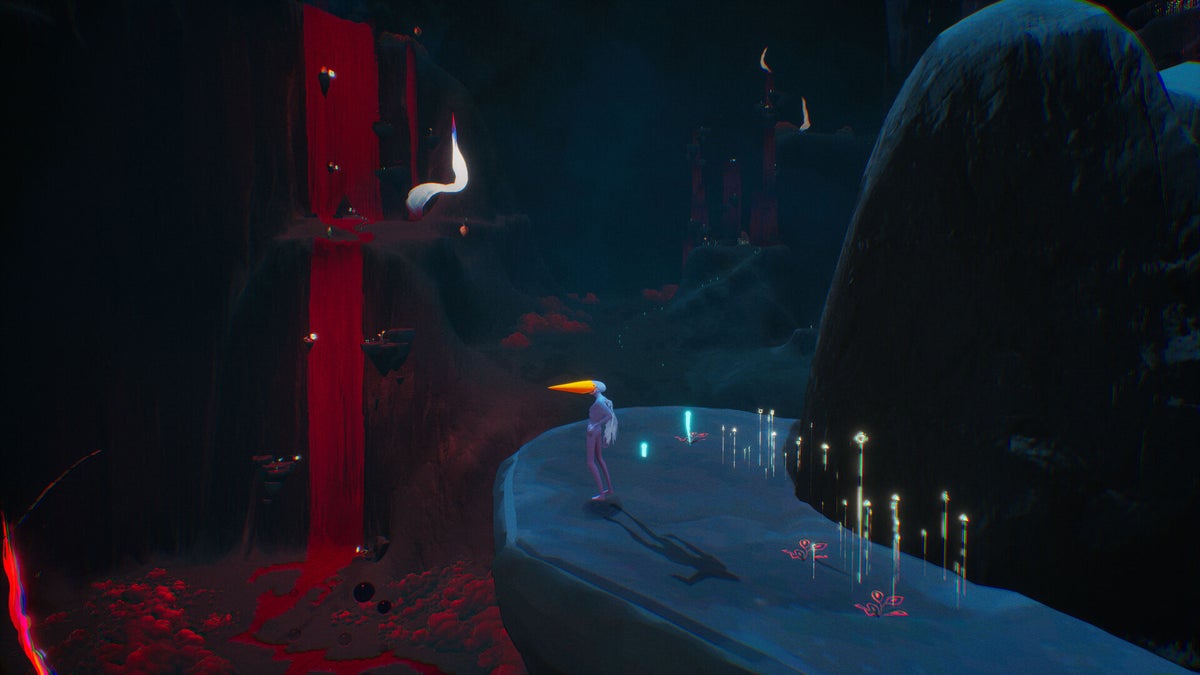
Abelina casts players into a surreal afterlife platformer built by a former League of Legends animator and scored by the composer behind Zach Cregger's Resident Evil remake. The game centers on a deceased protagonist navigating a strange natural paradise where activities include tending gardens, carving masks, and processing the weight of mortality itself.
The collaboration between animation and sound design suggests a project heavy on visual atmosphere and sonic storytelling. League of Legends animator work typically means polished character movement and environmental detail, both essential for platformers that demand precise controls paired with immersive worlds. Pairing that sensibility with a composer experienced in horror scoring creates an intriguing tonal clash. Resident Evil's film composer brings an understanding of dread and emotional manipulation through sound, territory far removed from typical platformer fare.
Abelina positions itself outside mainstream platformer convention by blending the genre's mechanical demands with existential themes. Rather than pursuing a hero's journey or collecting MacGuffins, players engage with mundane activities that carry psychological weight. Gardens and masks suggest crafting and personal transformation. The emphasis on "trying not to think about" implies the game wrestles with grief, avoidance, and the mental toll of processing loss. This thematic depth sets it apart from action-focused platformers that dominate current releases.
The natural afterlife setting avoids the Judeo-Christian heaven or hell frameworks that most games use. Instead, the world appears organic, grounded, almost earthly despite being explicitly post-mortem. This choice mirrors recent indie success like A Space for the Unbound and Night in the Woods, both of which used subdued, natural settings to explore internal character states. Abelina follows that path, treating environment as psychological reflection rather than obstacle course.
Platformer innovation has stalled in mainstream studios. AAA titles like Donkey Kong Country Returns and Crash Bandicoot N. Sane Trilogy lean on nostalgia and difficulty tuning. Indies have carried the torch by questioning genre fundamentals. Games like Celeste added mental health narratives to tight platforming. Hollow Knight merged boss battles with Metroidvania structure. Abelina appears to continue this trend by using platform mechanics not as ends in themselves but as language for emotional experience.
The project represents growing crossover between animation and game development. Studios increasingly poach talent from film and television. This hire pattern reflects how games now compete with cinema for artistic legitimacy and audience attention. A League animator brings understanding of how movement tells story, how weight and anticipation communicate character. That knowledge transfers directly to platformer design, where player control must feel intentional and expressive.
Abelina enters a crowded indie platformer space but arrives differentiated. It sidesteps combat, progression systems, and narrative spectacle in favor of contemplative gameplay wrapped in audiovisual craft. The game targets players fatigued by aggression-focused design, audiences seeking art games that respect platforming as mechanical foundation rather than afterthought. Release details remain limited, but the creative pedigree and thematic ambition suggest a project worth watching within the indie platform community.