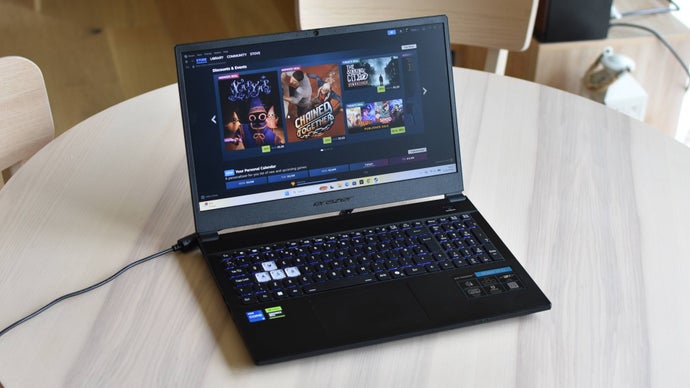
Gaming PC affordability has deteriorated significantly due to inflated component prices and rising handheld costs. Desktop PC builders face ongoing challenges with expensive RAM, SSDs, and graphics cards that undermine the traditional cost advantage of building custom machines rather than buying prebuilts.
Handheld gaming PCs present similar financial headwinds. Devices that once offered accessible entry points now command premium prices. The Steam Deck OLED experienced price increases exceeding 40 percent, eliminating its reputation as the best value proposition in PC gaming hardware. Other handheld options launch above 1,000 British pounds from release.
These market conditions push budget-conscious PC gamers toward an alternative: gaming laptops. Once dismissed by enthusiasts, gaming laptops emerge as a pragmatic solution when component shortages and price inflation make desktop and handheld options prohibitively expensive. The shift reflects broader supply chain constraints and manufacturing costs that have persisted despite initial hopes for normalization.
The confluence of factors creates an unusual market dynamic. Gamers seeking affordable portable gaming options increasingly consider gaming laptops despite historical preferences for dedicated handhelds or custom desktop builds. Memory shortages that triggered component inflation may have permanently altered PC gaming economics, making cheaper gaming machines a rarity across all form factors. Gaming laptops, previously viewed as compromises, now offer competitive value in a market where genuine bargains have largely disappeared.