# Dragon Con Atlanta 2026 Delivers Standout Cosplay Moments
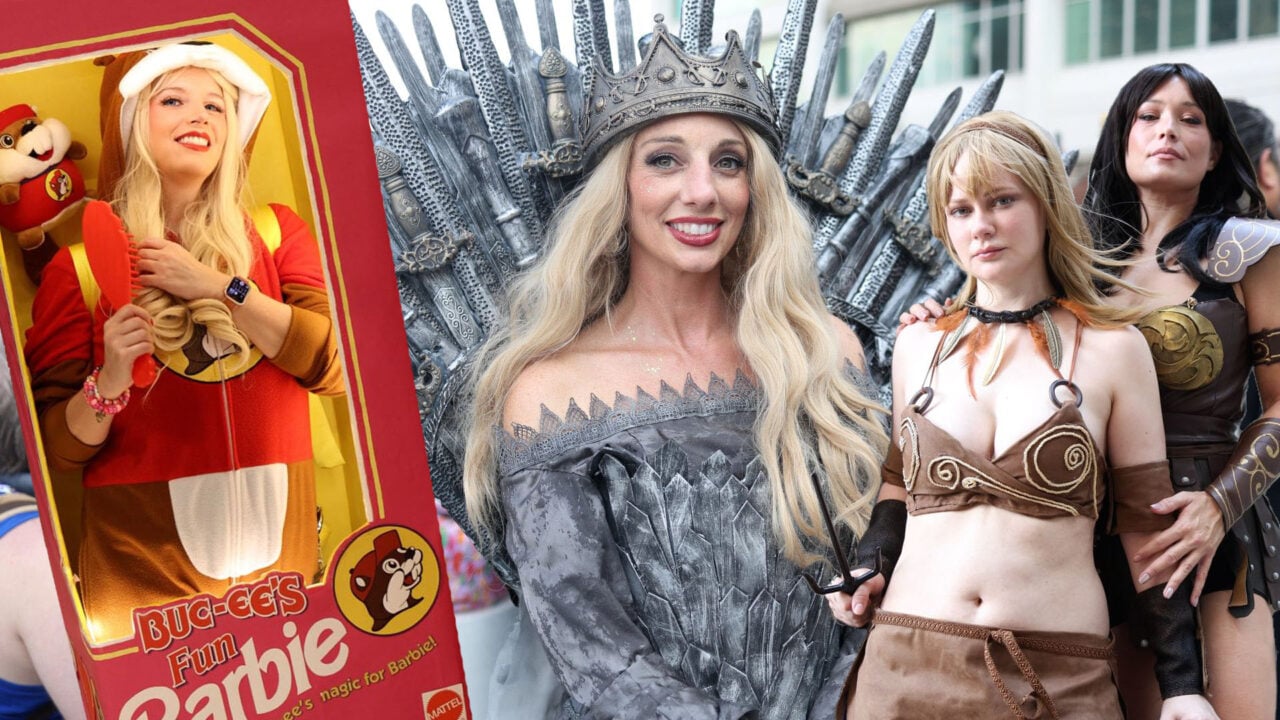
Dragon Con Atlanta 2026 showcased cosplay that pushed beyond standard character replication into genuine creative territory. Attendees demonstrated technical skill and thematic invention across two particular standouts that dominated the convention floor: a mashup interpretation of Fallout 1776 and a crossover piece featuring Totoro in Expedition 33.
The Fallout 1776 cosplay merged Bethesda's post-apocalyptic aesthetic with colonial American iconography. The builder combined tattered tricorn hats with weathered Vault-Tec jumpsuits, weaponized muskets alongside laser rifles, and incorporated period-appropriate fabric deterioration alongside irradiated color grading. This type of fusion work requires understanding both source properties deeply enough to make the collision feel intentional rather than random.
The Expedition 33 Totoro interpretation operated differently. Rather than placing the Studio Ghibli character into a space exploration narrative wholesale, the cosplayer engineered a functional helmeted suit that maintained Totoro's organic silhouette while suggesting oxygen-dependent survival. LED elements mimicked bioluminescence in an airless environment. The execution bridged whimsy with hard sci-fi logic, something most cosplayers avoid altogether.
Dragon Con remains North America's largest cosplay gathering, with Atlanta's convention drawing nearly 200,000 attendees annually. The event functions as a working laboratory where cosplay trends emerge months before they dominate social media. Builders test techniques, workshop ideas with peers, and document execution methods that cascade to YouTube tutorials and Reddit threads for months afterward.
This year's selection reflected broader industry shifts. Fewer attendees committed solely to direct character recreation. Instead, most entries involved interpretive work: gender-swapped versions, alternate universe reimaginings, crossover combinations, or technical innovations that added layers to familiar properties. Cosplayers treated source material as departure points rather than instructions.
The technical bar has also risen. Articulated armor pieces, working LED systems, 3D-printed components, and weathering techniques that rival professional prop departments are now baseline expectations for convention showcase entries. Builders invest hundreds of hours and thousands of dollars into single pieces, treating cosplay as legitimate craft rather than costume party dressing.
Dragon Con's structure enables this. The convention features dedicated cosplay competitions with judging categories for craftsmanship, originality, and performance. Winners gain visibility through Kotaku coverage, Instagram algorithm promotion, and community reputation that translates into sponsorships from prop suppliers, 3D printing services, and fabric manufacturers. This creates incentive structures that reward innovation over replication.
The Fallout 1776 and Expedition 33 pieces represent what happens when cosplayers possess both technical competency and thematic ambition. They didn't execute existing designs. They synthesized disparate reference points into coherent new concepts that required problem-solving throughout construction. Convention attendees spent hours examining construction methods, material choices, and attachment systems.
Dragon Con 2026 reinforced that cosplay has moved decisively into design-led territory. The best pieces generate conversation about how builders achieved effects, not simply recognition of character identification. That shift elevates the entire community's standards and creates a feedback loop where each year's convention produces work that influences the next year's entries.