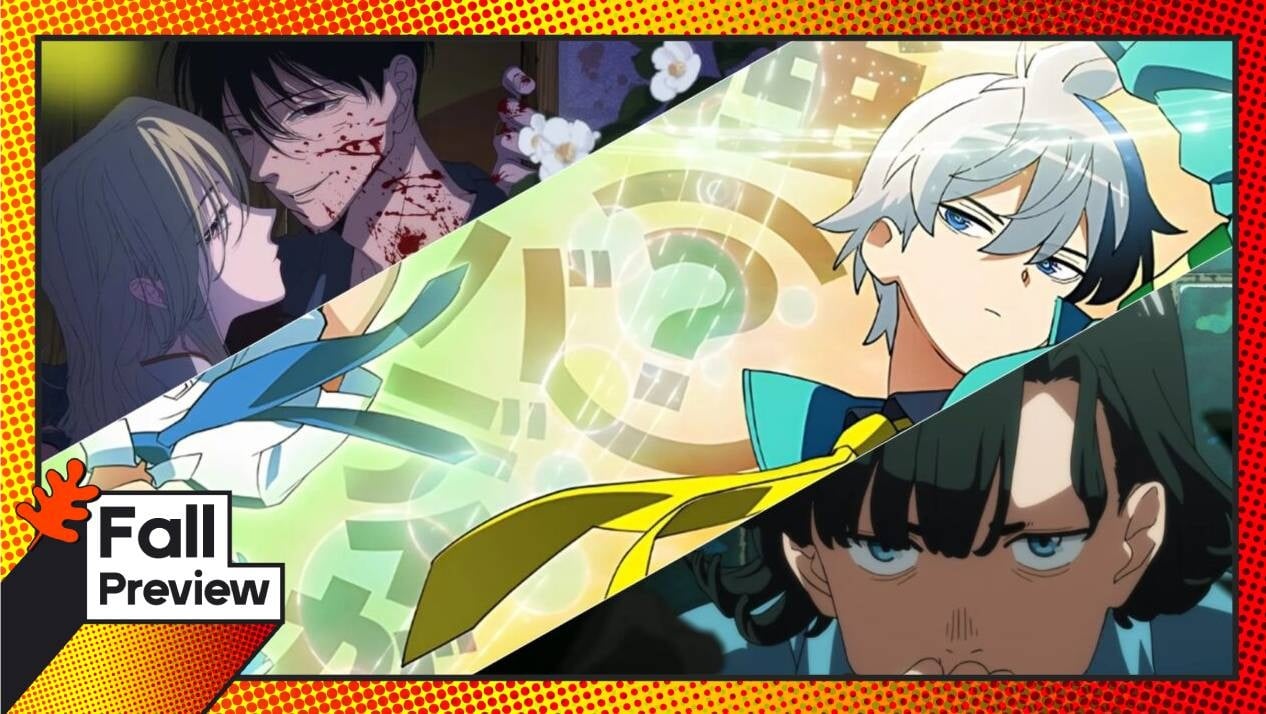
# Fall 2026 Anime Season Shaping Up With Major Adaptations and Remakes
Fall 2026 brings a slate of anime that blends nostalgia with fresh interpretations of beloved properties. The season centers on three standout titles that represent different approaches to how studios adapt existing intellectual property.
Suikoden: The Anime marks the first animated adaptation of the classic Konami JRPG franchise. The original Suikoden launched on PlayStation in 1995 and spawned four sequels across multiple platforms, establishing itself as one of gaming's most narrative-driven series. An anime treatment of this property signals renewed industry interest in converting cult-favorite games into serialized animation. The game's sprawling cast of 108 recruitable characters and its intricate political drama provide rich material for a 12 or 13-episode season.
Magic Knight Rayearth is receiving a full remake rather than a simple re-release. The original 1994 anime, based on CLAMP's manga, became a defining magical girl series before the genre exploded in the 2000s. A remake suggests studios believe audiences want refreshed takes on classics with modern animation techniques and potentially updated storytelling sensibilities. CLAMP involvement typically signals quality control and creative oversight.
Fool Night represents original content within the fall lineup, indicating that studios maintain faith in greenlit anime that don't depend on existing fanbases. This balance between adaptation and original series remains essential for industry health, preventing overdependence on established properties.
The broader context matters here. Fall 2026 follows a period where anime streaming drove expansion across Netflix, Crunchyroll, and Amazon Prime Video. These platforms fund substantial portions of prestige anime production, particularly for titles aimed at adult audiences and international markets. A season featuring both AAA adaptations and original works suggests confidence in the market's ability to absorb diverse content.
Game-to-anime adaptations carry particular weight post-2025. The success of titles like Cyberpunk: Edgerunners demonstrated that gaming properties can achieve critical acclaim and commercial success when placed with talented studios. However, missteps like poorly-conceived adaptations also remind the industry that IP alone doesn't guarantee quality. The presence of Suikoden: The Anime suggests developers learned those lessons and matched the property with appropriate production teams.
The remake of Magic Knight Rayearth sits at an intersection between nostalgia marketing and creative reinvention. Millennials who grew up with the original series now represent a profitable demographic with disposable income. Remaking beloved properties risks alienating original fans if changes feel unnecessary, yet staying faithful limits creative expression. How this remake navigates that tension will influence how studios approach similar projects going forward.
Fool Night's inclusion prevents the season from becoming a pure nostalgia play. Original anime still attract international audiences when marketing reaches beyond existing fandoms. Crunchyroll and Netflix have invested heavily in original anime production, betting that quality original content builds platform loyalty without licensing complications.
Fall 2026 ultimately reflects the current state of anime production: major studios balancing adaptation, remake, and original content while leveraging streaming funding. How audiences receive these titles will shape what studios greenlight for 2027 and beyond.