Bethesda has pledged to preserve Obsidian Entertainment's creative autonomy following a major reorganization that places the acclaimed RPG studio directly under Bethesda's leadership structure. Jill Braff, president of Bethesda and Microsoft's casual games division, sent a memo to staff at Obsidian this week assuring them the studio will retain its "distinct creative identity and strengths" despite the organizational shift.
The reassurance comes after Xbox underwent significant studio restructuring and layoffs that reshuffled reporting lines across its first-party portfolio. Obsidian, which Microsoft acquired in 2019 for $154 million, now operates under tighter integration with Bethesda Game Studios rather than functioning as an independent subsidiary with full creative control over its own properties and projects.
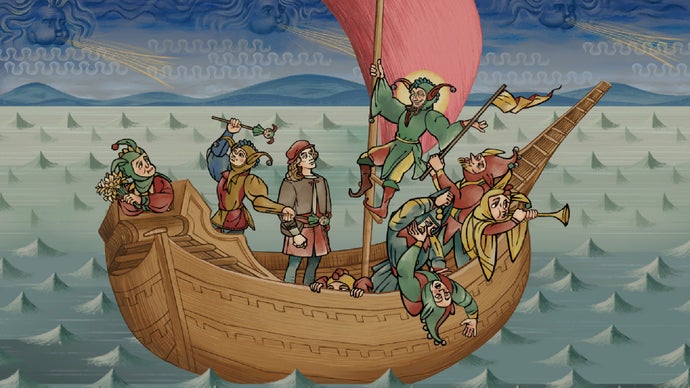
This move raises immediate questions about what "distinct identity" means in practice. Obsidian built its reputation on self-directed projects like The Outer Worlds, Pillars of Eternity, and Pentiment, showcasing the studio's knack for narrative-driven RPGs and unconventional design. The studio has thrived with creative freedom, producing cult classics and new IPs that differentiated Xbox's offerings in the competitive RPG space. However, placing the studio under Bethesda's direct supervision typically means project approval, resource allocation, and strategic direction flow through another decision-making layer.
Bethesda Game Studios itself focuses on massive open-world franchises like The Elder Scrolls and Fallout, which operate on vastly different scales and design philosophies than Obsidian's specialty in smaller, story-centric experiences. The two studios have complementary strengths, but merger management often dilutes what made each distinctive. Fallout: New Vegas demonstrated Obsidian's ability to produce a brilliant Bethesda-owned project while maintaining creative integrity, but that was a contracted arrangement, not a structural reporting shift.
The timing of this reorganization matters. Microsoft faces pressure to consolidate its gaming division and reduce costs, with reports suggesting the company wants clearer accountability across studios and fewer duplicate functions. Xbox Game Pass needs steady content flow from multiple studios, and overlapping leadership structures waste resources. By folding Obsidian under Bethesda, Microsoft streamlines decision-making and presumably reduces executive overhead.
Whether Obsidian retains meaningful creative autonomy depends on how Bethesda leadership interprets "distinct identity." If Braff and team respect the studio's proven track record and greenlight original projects that align with Obsidian's strengths, the reorganization could work. If Bethesda steers Obsidian toward larger-budget, Bethesda-shaped projects that dilute their design philosophy, the studio's output may suffer.
For players, the concern centers on Obsidian's future pipeline. Projects like The Outer Worlds 2 (in development) and any new IPs depend on Bethesda's willingness to fund and support experiences that differ from The Elder Scrolls or Fallout's scale. Pentiment, Obsidian's recent indie-adjacent breakout hit, would likely face tougher green-light decisions under a corporate parent prioritizing blockbuster franchises.
Braff's memo reads as reassurance designed to retain talent and manage morale following layoffs elsewhere at Xbox. The real test comes when Obsidian pitches its next creative project. That decision will reveal whether the studio's "distinct identity" remains creatively sovereign or becomes a subdivision executing Bethesda's strategic vision.