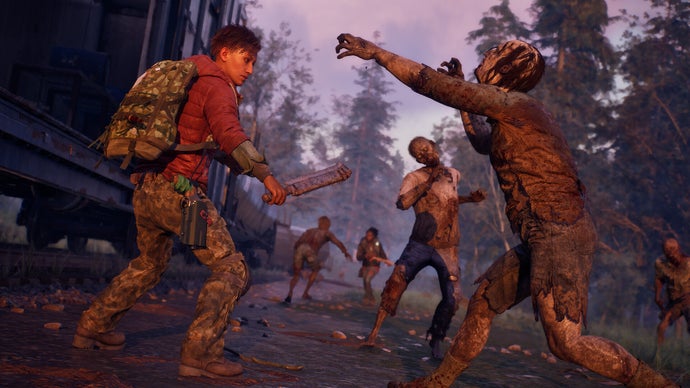
Undead Labs announced a significant staff reduction just hours after securing independence from Xbox, marking a turbulent transition for the State of Decay 3 developer. The studio confirmed the layoffs affected what leadership described as "exceptionally talented developers," though exact numbers remain undisclosed.
The timing creates a stark narrative. Undead Labs fought to break free from Microsoft's ownership structure and achieved independence, only to immediately announce workforce cuts. This pattern reflects broader instability in the game development landscape, where studio autonomy often comes with financial pressure to operate leaner.
Undead Labs built its reputation on the State of Decay franchise, a cooperative zombie survival series that carved out a niche between arcade action and survival simulation. The original State of Decay launched in 2013 on Xbox 360 and PC, followed by State of Decay 2 in 2018. State of Decay 3 entered full production under Xbox's ownership but remained in development when Undead Labs negotiated its exit from the publisher.
This layoff continues a brutal 2024 for game development employment. Earlier this year, Xbox itself conducted massive cuts across its studio portfolio, affecting Bethesda, Obsidian Entertainment, Rare, and other owned studios. Those layoffs eliminated over 268 positions as Microsoft consolidated operations and shifted development priorities. Now, even studios achieving independence face similar pressures.
The independence move likely involved financial restructuring that required operational efficiency improvements. Undead Labs probably negotiated a smaller budget for State of Decay 3 as part of the separation agreement, forcing difficult staffing decisions. Publishers rarely fund independent studios at pre-departure levels, creating an inherent tension between freedom and financial sustainability.
What happens to State of Decay 3 now remains uncertain. The game spent years in development under Xbox's umbrella with full studio resources. As an independent title, it may experience extended production timelines, scaled-back scope, or retargeting toward different platforms and distribution models. Undead Labs could seek external publisher support or pursue alternative funding.
The broader context matters here. Game development employment has contracted sharply following the post-pandemic hiring boom. Studios across Activision Blizzard, Electronic Arts, Embracer Group, and Bandcamp Entertainment conducted layoffs in 2023 and 2024. Inflation and rising development costs collided with slower game sales, forcing companies to cut deeper than expected.
Independence sounds appealing to developers exhausted by corporate acquisition cultures, but the financial reality often proves harsher than studio employment. A mid-sized studio like Undead Labs operating independently must manage costs more aggressively than when backed by a major publisher's resources. This forces uncomfortable choices about team size and scope.
For players, the key question involves State of Decay 3's future viability. Will the reduced team deliver the game originally envisioned, or will scope adjustments follow? Undead Labs built goodwill through franchise entries that offered substantial content at moderate price points. Maintaining that value proposition while operating with fewer resources presents a genuine challenge.
The studio's survival depends on completing State of Decay 3 successfully and potentially securing ongoing revenue through live service elements or sequel planning. Success stories exist. Grinding Gear Games operates Path of Exile independently while competing against triple-A standards. Undead Labs has the franchise recognition and player base to survive, but the path forward requires focused execution and realistic scope management.