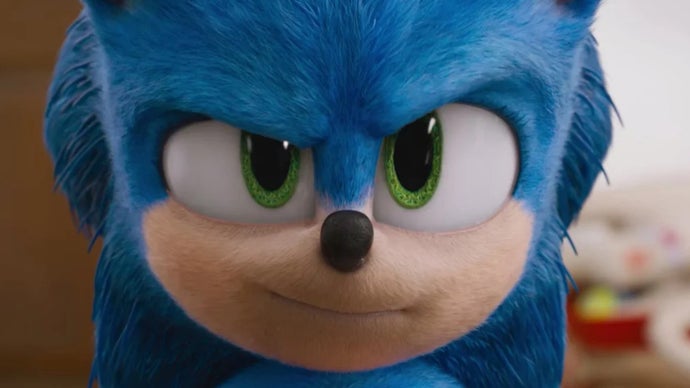
Takashi Iizuka, the head of Sonic Team at Sega, revealed that the Sonic the Hedgehog film franchise single-handedly saved the series from complete cancellation. Without the box office success of the live-action/CGI movies, the entire Sonic franchise would have faced the axe.
The statement arrives with uncomfortable honesty. Sonic's video game library carries baggage. While the character maintains cultural cachet and a dedicated fanbase, the games themselves have struggled with critical reception and inconsistent quality for decades. The 3D transition proved particularly problematic. Titles like Sonic 06, Sonic Boom, and numerous other entries failed to capture the magic of the original Genesis classics. Even when individual games received praise, they stood as exceptions rather than the rule.
Financially, this reputation took its toll. Sega's investment in Sonic games returned diminishing profits as consumer confidence eroded. A company cannot sustain a franchise indefinitely on nostalgia and goodwill alone. Shareholders demand returns. Development budgets require justification.
Enter the films. Director Jeff Fowler's first Sonic the Hedgehog movie launched in 2020 after a significant redesign following fan backlash over the original character model. The film grossed approximately 319 million dollars worldwide, a stunning result for a video game adaptation. Sonic the Hedgehog 2 followed in 2022, earning over 404 million dollars globally. Sonic the Hedgehog 3 released in 2024 and performed strongly at the international box office.
These numbers transformed Sonic's commercial viability. The films demonstrated that the character possessed mainstream appeal beyond gaming circles. Families attended theaters. The films generated merchandise opportunities, licensing deals, and renewed public interest in the blue blur. For Sega's corporate structure, the franchise suddenly looked valuable again.
Iizuka's comment reframes an uncomfortable reality about the modern franchise. Gaming enthusiasts often dismiss the films with derision, claiming they misrepresent Sonic or pander to non-gamers. Yet those same films injected capital and momentum back into a series that was hemorrhaging both. Without that financial lifeline, Sega likely would have shelved Sonic entirely, converting the character into a legacy property trotted out for anniversaries and nostalgia content.
The irony cuts both ways. Game critics rightly point out that strong games would have been the superior solution. Had Sonic Team consistently delivered quality titles, no movie rescue would have been necessary. Instead, the franchise's gaming foundation had deteriorated sufficiently that external intervention became essential.
Currently, Sonic Team works on new games with renewed backing. Projects like Sonic x Shadow Generations and upcoming mainline entries benefit from the financial security the films provided. Whether this translates into improved game quality remains an open question. The films bought the franchise time and resources, but execution still depends on development talent and creative vision.
This situation establishes precedent within the industry. Video game franchises struggling commercially can potentially find salvation through adaptation into other media. Conversely, a franchise's core medium cannot be neglected indefinitely without catastrophic consequences. For Sonic, the films proved to be a lifeboat. The real challenge involves ensuring the boat reaches shore.