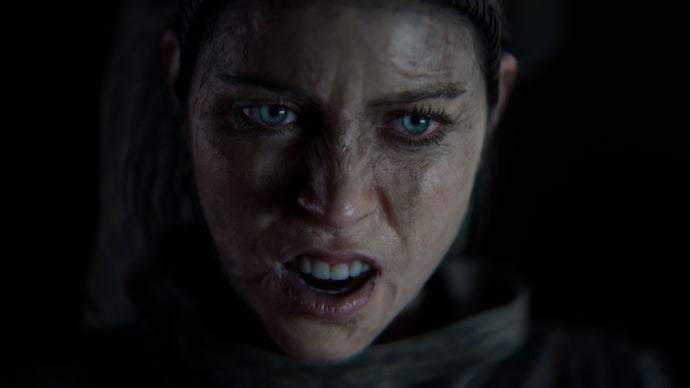
Microsoft has moved to shut down Ninja Theory, the acclaimed UK developer behind Hellblade and Hellblade 2: Senua's Saga, after failing to secure a buyer for the studio. The company announced the closure today following months of attempts to sell the studio to external parties.
The decision represents a dramatic reversal for Ninja Theory, which released Hellblade 2 to critical acclaim in May 2024 on Xbox Series X/S and PC. The sequel earned widespread praise for its artistic direction, narrative depth, and technical achievement, establishing the studio as a creative powerhouse within Microsoft's portfolio. Yet commercial performance and strategic portfolio decisions at the publishing giant superseded the critical reception.
Microsoft initiated the sale process in 2024 as part of broader cost-cutting measures across Xbox Game Pass and first-party development. The publisher previously laid off thousands of employees and closed or sold multiple studios including Bethesda support teams, Double Fine Productions, Arkane Studios, Undead Labs, and Compulsion Games. Ninja Theory's closure marks another casualty in what has become a systematic restructuring of Microsoft's gaming division.
The studio's fate reflects mounting pressure on Xbox to demonstrate financial returns from its gaming operations. Game Pass subscriptions and first-party software sales have underperformed internal projections, pushing leadership to eliminate what it considers underperforming assets. Ninja Theory, despite critical success with Hellblade 2, apparently failed to meet revenue expectations that justified keeping the 400-person studio operational under Microsoft ownership.
This closure strikes particularly hard given Ninja Theory's trajectory under Microsoft. The developer joined Xbox Game Studios in 2018 for an undisclosed sum, signaling genuine commitment to the studio's vision. Hellblade 2's launch as a day-one Game Pass title generated enormous goodwill but minimal direct revenue, illustrating the tension between artistic credibility and financial performance within subscription-based business models.
Ninja Theory head Tameem Antoniades expressed frustration with the outcome. "I'm still blown away by the amount of talent" at the studio, Antoniades stated, underscoring the human cost of the decision. Hundreds of skilled developers, artists, designers, and support staff now face unemployment in an already saturated job market. The UK games industry, which supported Ninja Theory's growth for years, loses another major employer.
The closure raises hard questions about Microsoft's gaming strategy. Investing heavily in acquisitions and exclusives while simultaneously cutting established studios signals internal confusion about long-term direction. Xbox Game Pass's unsustainable economics have forced drastic measures, but shuttering a studio fresh off critical success damages relationships with partners, talent, and players who supported Hellblade 2.
For the broader industry, Ninja Theory's fate warns developers that critical acclaim alone provides no protection. Commercial metrics and quarterly earnings matter more than artistic achievement within large corporate structures. This pressure trickles down through the entire sector, making risk-taking increasingly difficult for mid-budget projects that lack blockbuster franchises or proven multiplayer monetization.