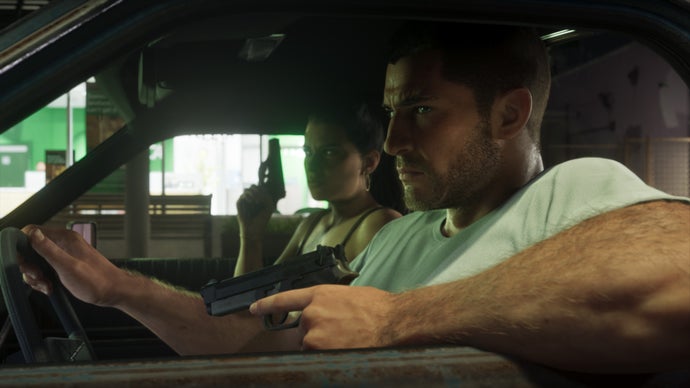
Rockstar Games has issued fresh modding guidelines ahead of GTA 6's eventual PC release, explicitly prohibiting modders from creating unauthorized story expansions, porting the game to unsupported platforms, and combining maps from different Grand Theft Auto titles.
The studio posted the updated rules this month on its official channels. The restrictions target several specific modding categories that have thrived in previous GTA titles. Modders cannot develop unofficial expansions that extend the main campaign narrative. They cannot attempt ports to platforms beyond those Rockstar officially supports. They also cannot merge maps or content from different GTA games into a single mod.
This marks Rockstar's most direct stance yet on modding boundaries. The publisher has long maintained an uneasy relationship with the modding community. While fan-made content drove engagement across GTA 3, GTA Vice City, and GTA San Andreas for decades, Rockstar has consistently taken legal action against mods deemed commercial threats or narrative extensions.
The timing reveals strategy. GTA 6 releases on PlayStation 5 and Xbox Series X/S in fall 2024. A PC version remains unannounced but inevitable given the franchise's history. Each port expansion brings waves of modders. Rockstar wants clear guardrails in place before that surge arrives.
Story expansion mods represent the primary concern. GTA 5 spawned countless campaign extensions with new missions and characters. Some rival the depth of official DLC. Rockstar views these as IP dilution. By banning them preemptively for GTA 6, the studio protects narrative control and potential future expansion packs.
Platform porting restrictions target emulation and mobile versions. GTA modders have previously created working ports to Nintendo Switch and mobile devices. Rockstar relies on official ports to control monetization and platform strategy. Unauthorized versions undercut those plans.
The map-merging prohibition addresses "super mods" that combine GTA worlds. Vice City merged with Liberty City created persistent multiplayer experiences. GTA Online exists partly to prevent players from creating their own server infrastructure. Combined-world mods threaten that ecosystem.
However, Rockstar's guidelines leave room for traditional mods. Vehicle reskins, texture overhauls, weapon rebalancing, and character cosmetics remain permitted. Quality-of-life improvements and visual enhancements face no restrictions. The studio distinguishes between content that extends the game versus content that replaces or reimagines it.
This approach mirrors how Bethesda handles Skyrim and Fallout modding. Both studios permit cosmetic and mechanical tweaks while blocking total conversion mods that fundamentally alter the experience. Both rely on mods to extend game lifespan while protecting core IP.
Enforcement remains uncertain. Rockstar lacks perfect oversight. Nexus Mods and other platforms host thousands of GTA files daily. Takedown notices target flagrant violations, but comprehensive policing proves impossible. Modders operate in gray zones. Some mods skirt restrictions through vague descriptions.
The guidelines nonetheless signal intent. GTA 6 arrives as gaming's most anticipated release. Its modding ecosystem will define the experience for millions of players. Rockstar wants influence over that outcome. Clear rules, even if imperfectly enforced, establish expectations and provide legal justification for future action against major violations.
For modders, the message reads clear: enhance the game, don't rewrite it. For players, it means cosmetic mods will flourish while ambitious story expansions face extinction. That tradeoff reflects modern publisher strategy around community content and intellectual property protection.