# Ken Jennings Embraces Internet Culture on Jeopardy!, Drops 'Slut Gnomes' Reference
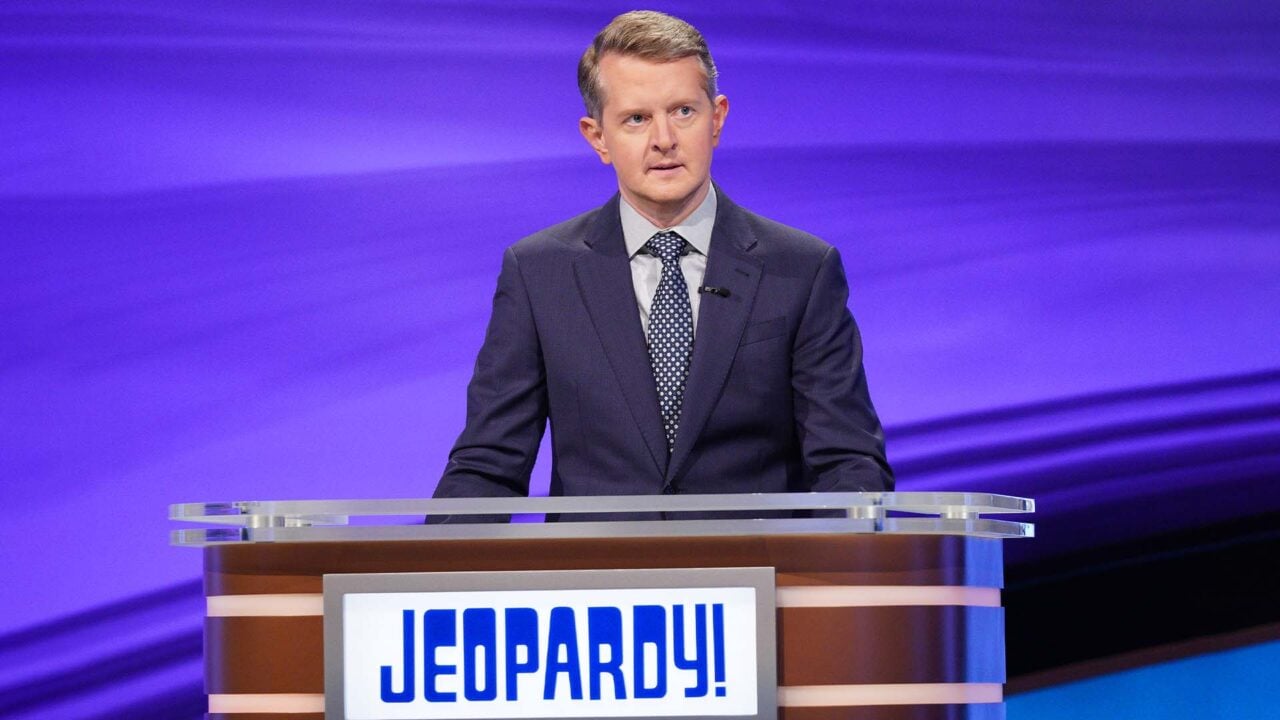
Ken Jennings, the Jeopardy! host and trivia legend, demonstrated his fluency in internet culture during a recent episode when he referenced the "slut gnomes" meme while introducing a category. The moment caught viewers off guard, as Jennings read the category title featuring the crude terminology with the same deadpan professionalism he applies to every clue on the syndicated quiz show.
The reference signals a deliberate shift in how Jeopardy! approaches its content and audience engagement. Jennings, who won 74 consecutive games during his record-breaking run on the show in 2004, has spent his post-Jeopardy! career building a massive social media presence. He regularly posts about gaming, pop culture, and internet trends to hundreds of thousands of followers. His willingness to lean into meme culture on the actual broadcast demonstrates that the show recognizes its audience spans beyond traditional trivia enthusiasts.
The "slut gnomes" meme originated from various internet corners and references bizarre garden gnome merchandise and absurdist humor popular on platforms like Twitter and Reddit. For Jeopardy! to include such a category, even in name only, represents a departure from the show's traditionally conservative approach to content. Merv Griffin created Jeopardy! in 1964, and the program maintained a fairly buttoned-up tone for decades. Alex Trebek, the iconic host for 36 years until his death in November 2020, embodied that formality throughout his tenure.
Jennings has gradually transformed the show's personality since taking over as the primary host. He tweets frequently about video games, has made appearances in gaming communities, and openly discusses his own internet habits. This incident fits that pattern perfectly. By casually incorporating meme language into the broadcast, Jennings signals that Jeopardy! belongs to younger viewers who grew up with internet humor, not just the retirees who traditionally dominated the demographic.
The moment also reflects broader changes in media. Quiz shows and game shows face pressure to remain relevant as streaming services and social media platforms compete for audience attention. Networks and producers increasingly recognize that authenticity and cultural awareness drive engagement, particularly with younger demographics. A host who understands memes and references them naturally on air becomes relatable. He stops seeming like an authority figure reading from cue cards and starts seeming like someone who actually occupies the same digital spaces his audience inhabits.
Jeopardy! ratings have fluctuated since Trebek's departure. The show experimented with multiple hosts before settling on Jennings and Mayim Bialik as co-hosts. When the Sony Pictures Television production company eventually moved toward Jennings as the sole primary host, they selected someone who could modernize the franchise without destroying its fundamental appeal. His comfort with internet culture represents that modernization in action.
The "slut gnomes" reference will likely go viral on social media, driving conversation and clips across TikTok, Twitter, and Reddit. That viral moment becomes free marketing for the show, extending its reach beyond traditional television audiences. Jennings understands this ecosystem instinctively. He knows what drives engagement, what makes moments shareable, and how to position himself within gaming and internet communities.
For longtime Jeopardy! viewers concerned about the show losing its dignity, moments like this raise valid questions about whether the program needs to chase internet trends to survive. For younger viewers discovering the show through clips that trend online, these moments prove that Jeopardy! exists in 2024, not frozen in the Alex Trebek era.