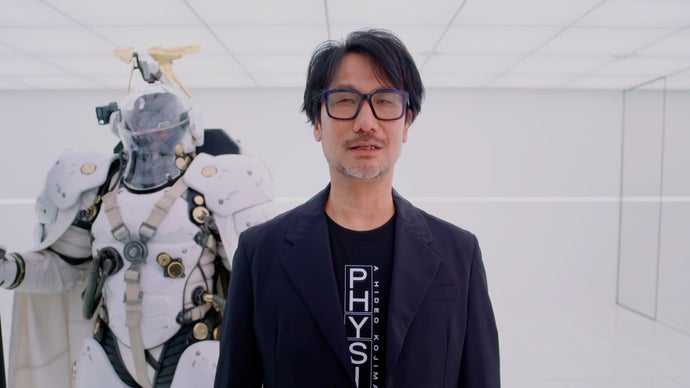
Hideo Kojima and Kojima Productions have publicly detailed their account of Physint's unexpected publisher switch from PlayStation to Xbox, revealing significant creative and financial friction that forced the studio's hand. The move came after PlayStation reportedly attempted to cancel the espionage action title, according to Kojima's statement. The studio now faces scrutiny over its independence and financial health as it enters a new partnership with Microsoft.
Kojima Productions stressed in a formal statement that the studio operates in a "healthy, profitable state," directly countering implications that financial desperation drove the platform swap. The reassurance matters because insider reports suggested PlayStation abandoned Physint due to budget overruns and missed deadlines. Kojima's own account suggests a different narrative. He emphasized that he expected the transition would cost the studio talent, stating "I thought people would leave," yet indicated the team remained committed to delivering Physint on Xbox instead.
The context here reveals deeper fractures between Kojima Productions and PlayStation. As an independent studio funded by Sony Interactive Entertainment, Kojima Productions maintained creative autonomy, but that relationship apparently deteriorated when budget and scheduling conflicts emerged. PlayStation's willingness to walk away suggests the publisher lost confidence in Physint's commercial viability or creative direction. For Kojima, a legendary designer whose name carries immense weight in the industry, having his project cancelled represented both a professional setback and a validation issue. His rapid pivot to Xbox indicates Microsoft acted decisively to secure Physint and maintain Kojima's prestige under the Game Pass and Xbox ecosystem.
This shift holds broader industry significance. Kojima Productions represents one of gaming's most celebrated independent studios. Its departure from PlayStation exclusivity signals that even established partnerships can fracture when financial pressures mount. The studio's output since its 2015 independence has been limited to Metal Gear Solid 5, Death Stranding (and its Director's Cut), and Death Stranding 2, which launched on PlayStation platforms. Physint would have continued that trend had the split not occurred.
Kojima's public defense of his studio's financial stability serves two purposes. First, it prevents narrative erosion that might damage future recruitment or partnerships. Second, it protects the studio's reputation as Xbox becomes its new home. By asserting profitability, Kojima positions the move not as a survival decision but as a creative and strategic choice. Microsoft clearly sees value in that positioning. Securing Kojima Productions titles for Game Pass grants Microsoft major prestige leverage against PlayStation's exclusive catalog.
The Physint situation also exposes the risk inherent in publisher-developer relationships, even those involving A-list talent. Budget discipline and timeline management matter in boardrooms regardless of creative pedigree. For PlayStation, cancelling Physint presumably cost less than continuing to fund a project with an uncertain return. For Kojima, the cancellation threat became an opportunity to forge a partnership with a publisher willing to back his vision without the same financial constraints.
Physint remains under development for Xbox. Release timing and scope details remain unannounced. The game's transition from PlayStation to Xbox ecosystem positions it as a significant title for Game Pass subscribers and Xbox Series X/S owners. Whether Physint reaches critical and commercial success will determine whether this switch benefits or damages Kojima Productions' long-term trajectory.