# Fat Bear Week Returns: Why Gaming's Most Wholesome Online Event Matters
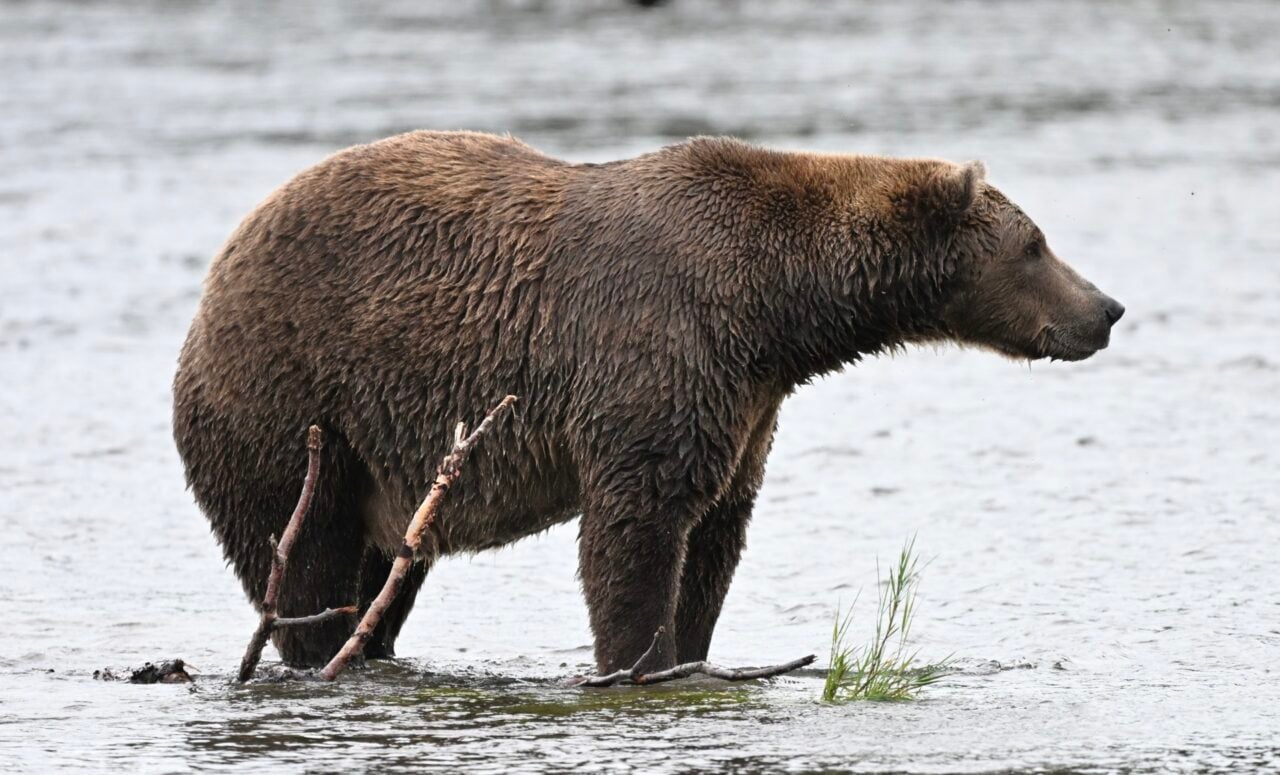
Fat Bear Week exploded into the cultural consciousness again, and if you missed it, you're out of the loop on one of the internet's most genuinely joyful annual traditions. The event, run by Explore.org, invites the public to vote on which bear has packed on the most weight at Alaska's Brooks Falls before hibernation. It's part nature documentary, part democratic spectacle, and entirely devoid of the toxicity that plagues most online voting competitions.
Kotaku's enthusiasm signals something worth noting in gaming culture: the appetite for wholesome community engagement experiences. While competitive gaming communities often devolve into toxicity, Fat Bear Week represents the opposite impulse. Millions of people engage with genuine interest in wildlife, celebrate animal achievement, and treat the voting process as entertainment rather than warfare.
The bears themselves became minor celebrities. Viewers tracked specific individuals across seasons, developed favorite contenders, and shared their picks through social media. Previous winners like Otis (a legendary competitor who dominated the competition for years) built fanbases comparable to esports personalities. The difference: nobody accused the bears of cheating or sent harassment campaigns to their rivals.
This matters for gaming communities because it demonstrates that online engagement doesn't require conflict to generate enthusiasm. Games increasingly lean into cooperative narratives and community-building mechanics rather than pure competitive ladders. Titles like Spiritfarer, A Short Hike, and Stardew Valley found massive audiences by rejecting zero-sum gameplay. Fat Bear Week operates on identical principles: everyone wins because the bears win.
The production quality matters too. Explore.org provides live streams, detailed information about each bear's behavior and weight gain strategy, and transparent voting mechanics. People trust the system. That transparency creates investment. Gaming studios have learned this lesson slowly. Battle passes, loot boxes, and randomized rewards breed cynicism. Fat Bear Week's straightforward "these bears are fat, vote for your favorite" approach builds genuine affection.
The event also strips away industry gatekeeping. You don't need a console, PC, or subscription to participate. A browser and basic internet access gets you in. That accessibility contrasts sharply with gaming's hardware barriers and monetization walls. Reach matters. Fat Bear Week's relatively low barrier to entry helped it reach audiences far beyond traditional gaming demographics.
The Kotaku piece taps into something the gaming press increasingly covers: moments when internet culture operates without extractive monetization or algorithmic rage-bait. Fat Bear Week exists to celebrate nature and engage audiences. Nobody profits from your emotional investment. The bears don't drop cosmetics or battle passes.
This year's Fat Bear Week continued that tradition. The voting format evolved slightly, but the core remained unchanged: real bears, real weight data, real community excitement. The bears' names reflected internet culture (previous years included puns and references), and the fanart communities created content rivaling some gaming fandom output.
For gaming journalists, covering Fat Bear Week represents covering culture that gaming audiences engage with deeply. It's not traditional game coverage, but it reflects how gamers spend their attention and emotional energy. The overlap between gaming communities and Fat Bear Week's audience base is substantial. Both represent online spaces where people voluntarily gather for entertainment without coercion.