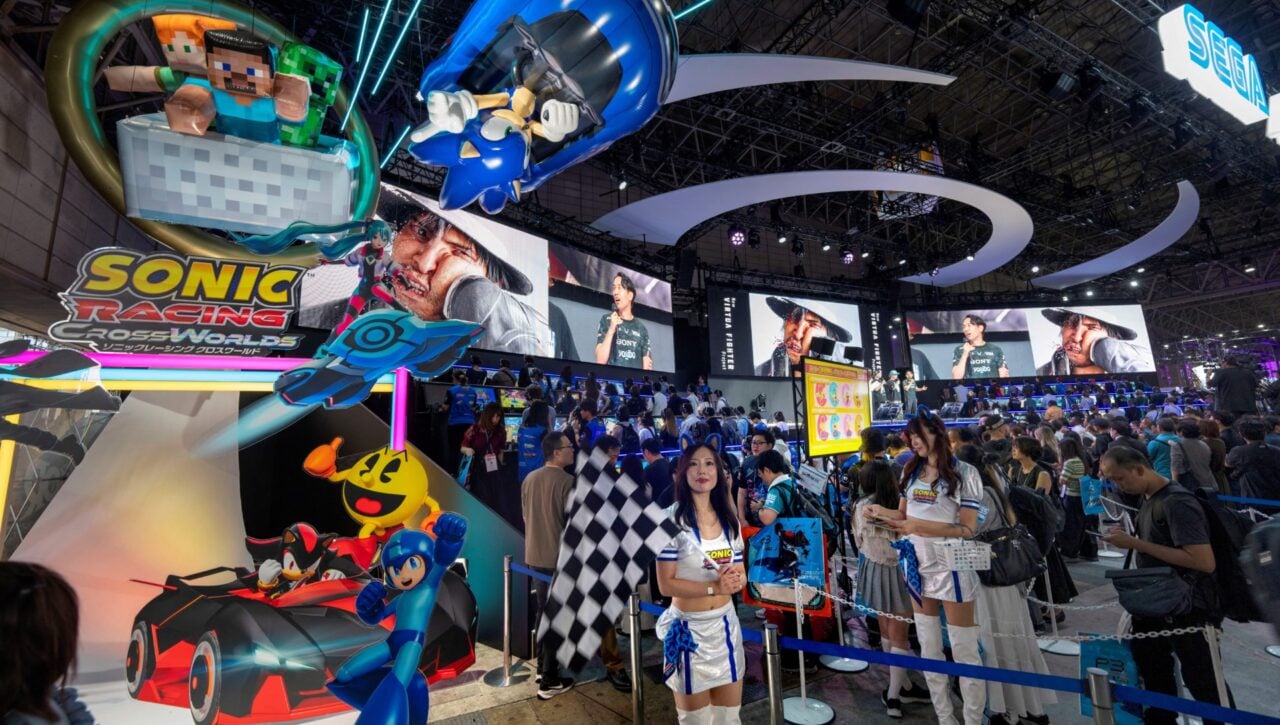
Typhoon Dujuan has forced organizers of Tokyo Game Show 2026 to shut down the event one day early. The severe storm system will make landfall in the Tokyo region on Monday, prompting officials to close the Makuhari Messe convention center ahead of schedule.
The Tokyo Game Show, held annually since 1996, ranks as one of the world's largest gaming exhibitions. The event typically runs for four days and draws hundreds of thousands of attendees from Japan and internationally. Exhibitors showcase upcoming titles, hardware, and gaming services across multiple halls. The 2026 edition was scheduled to run through Monday before the typhoon threat emerged.
Japanese meteorological authorities issued warnings as Typhoon Dujuan intensified in the Pacific. The storm's projected path directly threatened the Tokyo metropolitan area, where the Makuhari Messe facility operates. Convention center staff and event organizers assessed weather forecasts and determined that keeping the venue open Monday posed safety risks to attendees and workers. The decision prioritized public safety over completing the full four-day schedule.
This represents a rare disruption to Tokyo Game Show operations. The event has maintained consistent scheduling despite Japan's typhoon season, which typically peaks in autumn. Previous years saw the show operate without major weather-related closures, though organizers have contingency plans for severe conditions.
The early closure affects gaming companies with booth presence at the show. Major publishers and hardware manufacturers typically use the final day for product announcements and media presentations. Developers planning Monday coverage or scheduled meetings with press and industry contacts faced rescheduling challenges. Some companies shifted announcements to digital channels or compressed schedules into earlier days.
Attendees who purchased tickets for Monday faced refunds or rescheduling options. Local transportation networks across Tokyo also prepared for the typhoon by adjusting schedules and service patterns. Train operators and bus companies reduced service frequencies as weather conditions deteriorated throughout the weekend.
The impact extends beyond the immediate venue. Tokyo Game Show attracts international journalists, streamers, and industry analysts who coordinate coverage around the event's full schedule. The compressed timeline forced media outlets to accelerate coverage timelines and prioritize which announcements warranted extended coverage.
Tokyo Game Show 2026 still delivered major announcements and gameplay reveals during its three operational days. The early closure prevented what could have been the most severe disruption since the event's establishment. Organizers stated they would review protocols for future typhoon threats and potentially implement additional contingency measures.
Typhoon Dujuan tracked northward after impacting the Tokyo region, eventually weakening as it moved inland. The storm brought heavy rainfall and strong winds but caused less structural damage than initially feared. The Makuhari Messe sustained no reported damage, allowing normal operations to resume after weather conditions improved.