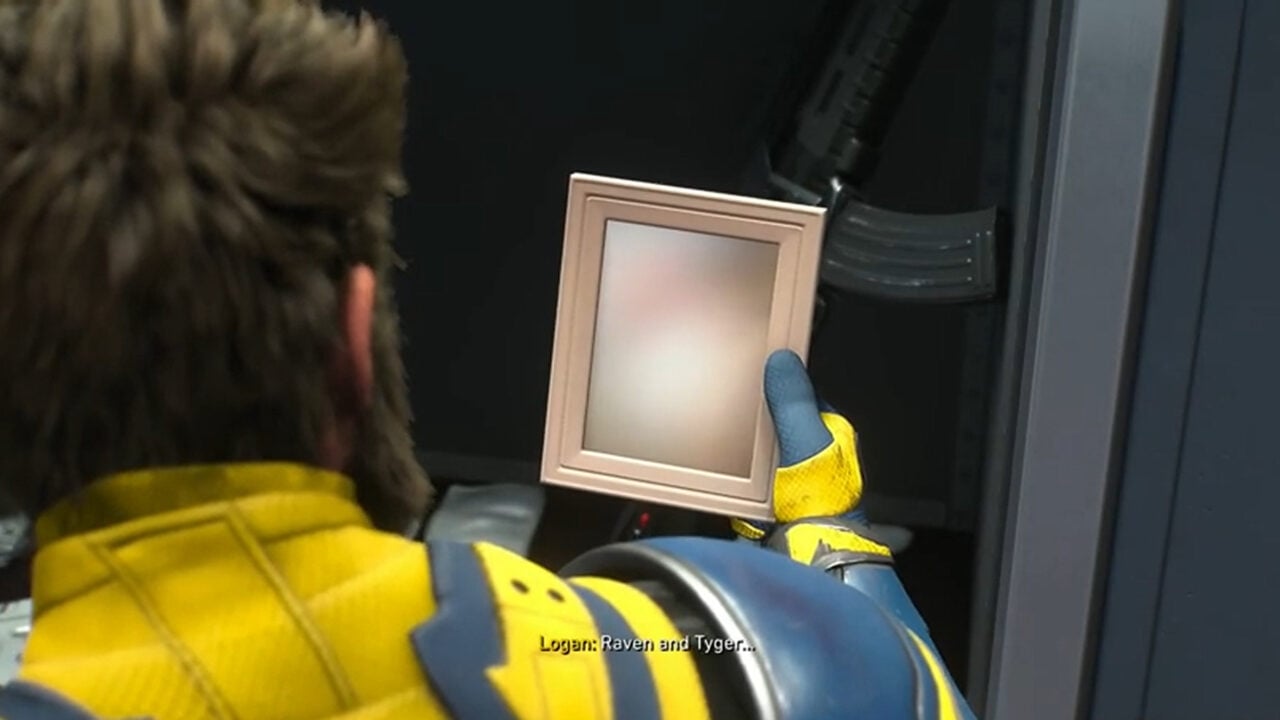
Insomniac Games' Marvel's Wolverine appears to have undergone content modifications for Middle Eastern markets, with references to Mystique's lesbian relationship scrubbed from regional versions of the game. All mentions of Tyger, Mystique's wife, have been removed from these copies, according to reports.
The changes mark a familiar pattern in the gaming industry where publishers adjust content to comply with regional regulations and cultural sensitivities. Middle Eastern territories have historically imposed restrictions on LGBTQ+ representation in entertainment media, leading developers and publishers to make localization cuts rather than face outright bans.
Marvel's Wolverine, developed by Insomniac Games and published by Sony Interactive Entertainment, is one of PlayStation 5's most anticipated exclusive titles. The game centers on Logan and pulls from Marvel Comics lore, incorporating characters like Mystique into its narrative. In Marvel's current continuity, Mystique's relationship with Tyger has become canonical, representing a significant LGBTQ+ storyline within the X-Men universe.
The removal of these references creates a fragmented release strategy. Players in the Middle East will receive a fundamentally altered character arc compared to audiences in North America, Europe, and other regions. This approach differs from outright regional bans but raises questions about creative integrity and representation consistency across global markets.
Sony and Insomniac have not publicly acknowledged the content modifications. Publishers typically remain silent on censorship decisions, framing them as technical localization requirements rather than deliberate editorial choices. This silence allows companies to avoid backlash from LGBTQ+ advocacy groups and progressive audiences while maintaining market access in regions with restrictive media policies.
The practice reflects broader industry tensions. Major publishers regularly release different versions of games across territories to maximize profit and market penetration. Rockstar Games modified Grand Theft Auto content for certain regions. Activision Blizzard altered character designs in Overwatch 2 for select markets. These changes accumulate into a reality where a game's narrative and character relationships depend on where players live.
For Marvel's Wolverine specifically, the decision affects how players experience Mystique as a character. Her relationships define her characterization in modern Marvel storytelling. Removing Tyger from Middle Eastern versions reduces Mystique to a fragment of her intended portrayal, stripping context from her dialogue, relationships, and story beats.
This censorship approach differs from how studios handle violence or other mature content in regional versions. Violence typically receives rating adjustments across territories, but narrative elements like character relationships rarely face the same scrutiny in Western markets. The targeting of LGBTQ+ content for removal suggests ideological priorities rather than standardized content guidelines.
Insomniac Games and Sony face criticism for prioritizing market expansion over consistent creative vision. The studio has cultivated a reputation for character-driven narratives, evident in the Marvel's Spider-Man franchise. Allowing content removal that fundamentally alters character representation contradicts that brand positioning.
Players in affected regions will likely discover these changes through social media and gaming communities, raising awareness of the modifications. This transparency, whether intentional or not, keeps the conversation about regional censorship in gaming visible to global audiences. As Marvel's Wolverine moves toward its eventual release, the full scope of regional variations will become clearer.