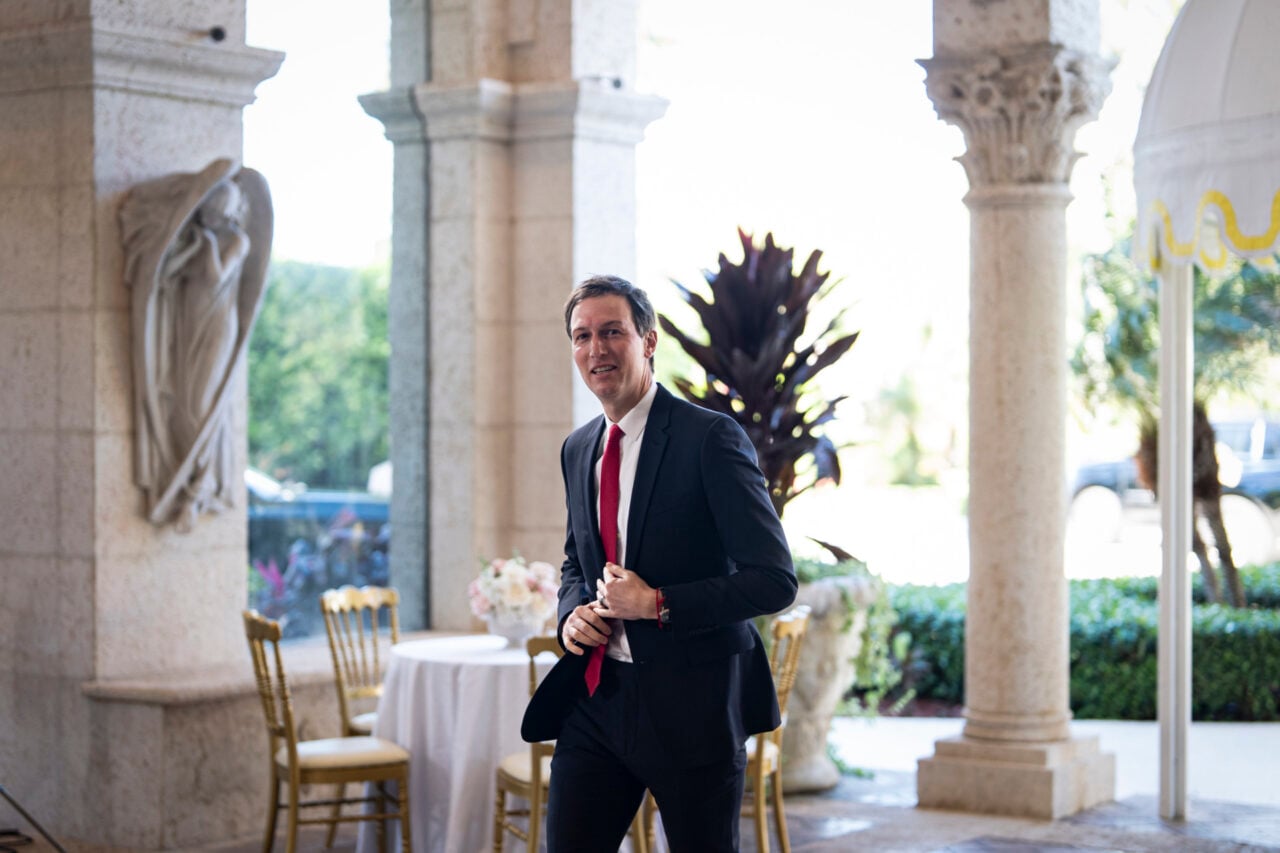
Jared Kushner's documented involvement in Trump administration Middle East policy has now extended into an unexpected corner of the gaming industry. According to reporting, Kushner has developed a rapport with Saudi Arabia's Crown Prince Mohammed bin Salman partly through shared interest in video games, a detail that adds another layer to his already controversial dealings with the kingdom.
Kushner served as a key figure in facilitating a major Electronic Arts transaction involving Saudi interests. That deal sits at the intersection of geopolitics, corporate finance, and entertainment, reflecting how gaming has become embedded in high-level diplomatic circles. The specifics of EA's involvement remain contentious given the complex web of U.S.-Saudi relations and the scrutiny surrounding Kushner's financial dealings since leaving the White House.
The revelation underscores how gaming functions beyond entertainment. Video games now serve as social platforms where power brokers establish relationships, negotiate influence, and build personal connections away from formal political settings. The hobby transcends traditional demographic boundaries. Crown Prince bin Salman, despite his age, has positioned himself as a modernizing figure within the Saudi royal family, and his interest in gaming aligns with broader efforts to rebrand the kingdom's global image.
Kushner's role in technology and media dealmaking demonstrates the blurred lines between entertainment commerce and geopolitical strategy. His involvement with Electronic Arts represents the kind of cross-border, high-stakes transaction that has drawn scrutiny from ethics watchdogs and journalists. The former White House senior adviser maintained significant influence over policy affecting Saudi Arabia, including arms deals and diplomatic recognition, making his business interests in the region a matter of public record and public concern.
The gaming industry itself has faced repeated challenges navigating relationships with authoritarian regimes and wealthy state actors. Electronic Arts, like other major publishers, operates globally and must manage partnerships with international entities, including government-backed investment funds. The company has faced previous controversies around loot boxes, microtransactions, and labor practices. Adding geopolitical complexity to its existing pressures illustrates the modern gaming company's impossible balancing act.
This story also reflects gaming's cultural penetration among elites. When video games become a vehicle for diplomatic relationship-building and financial transactions at this level, it signals the medium's complete integration into mainstream power structures. Gaming is no longer niche entertainment for a specific demographic. It is now terrain where fortunes are made, influence is traded, and policy gets shaped.
Kushner's gaming habits with Saudi Arabia's de facto leader reveal how personal connections lubricate major international business deals. Whether gaming sessions preceded or followed EA negotiations remains unclear, but the timeline raises questions about the transparency and propriety of these arrangements. The optics matter. Kushner's history of financial gain from Middle Eastern sources while holding office makes any new revenue stream worth examination.
The story lands amid broader conversations about tech industry entanglement with political and foreign actors. Gaming publishers operate within this landscape constantly, managing relationships with Chinese tech giants, Russian investors, and Middle Eastern sovereign wealth funds. The industry normalizes these connections out of necessity. Revenue drives development, and development requires capital from wherever capital exists.