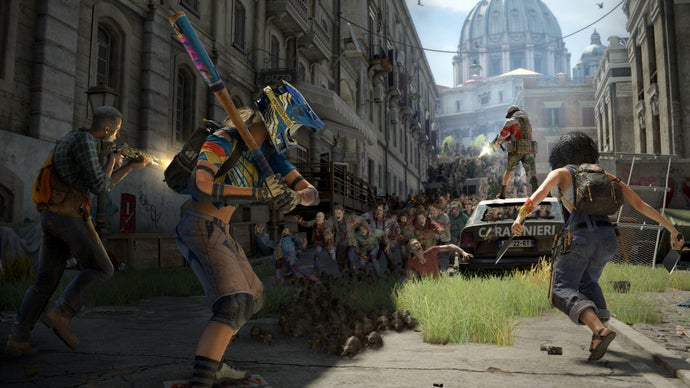
Saber Interactive has issued a direct challenge to North American game studios: stop viewing the world through a parochial lens. The developer, known for titles like World War Z: Aftermath, argues that publishers systematically underestimate markets outside North America and Europe, leaving revenue opportunities untapped and creative voices silenced.
The message arrives amid an industry in crisis. Layoffs have defined gaming since 2022, with the pace slowing in 2026 but the brutality intensifying. Microsoft's July 2024 purge claimed 1,600 jobs across Double Fine, Arkane Studios, Undead Labs, Compulsion Games, and Ninja Theory. The company promised investors another 1,600 redundancies within twelve months. These cuts reflect deeper systemic problems: rising debt costs, living crises, and component shortages that inflate production costs across the board.
Saber Interactive's criticism targets a specific failure mode. Publishers, the studio argues, treat certain regions as secondary markets. They design games for North American and Western European tastes first, then localize afterward. This approach abandons untapped player bases in Asia, Latin America, Eastern Europe, and Africa. It also reflects a creative myopia. Games designed purely for Western sensibilities miss the chance to build titles with genuinely global appeal from the ground up.
The studio's position carries weight. Saber Interactive has shipped projects for major publishers and understands the structural incentives at play. Publishing houses, concentrated in the West, make funding decisions through a Western lens. Risk-averse leadership sees unfamiliar markets as exotic rather than fundamental. This creates a self-fulfilling prophecy. Games don't launch with proper regional support, underperform, and publishers use that failure to justify avoiding those markets in the future.
The economics tell another story. Mobile gaming dominates in Southeast Asia. Console gaming has exploded in Brazil and Mexico. South Korea and Japan remain essential markets that Western publishers often treat as afterthoughts despite their spending power. China represents the single largest gaming market by revenue, yet Western studios frequently abandon their titles there due to regulatory complexity or cultural misunderstanding.
Saber Interactive's message lands during a period of profound industry rebalancing. Layoffs force surviving studios to work smarter. They need new revenue streams. Market expansion offers one of the few levers studios actually control. A game that reaches players in Korea, India, or Brazil simultaneously with its North American launch generates revenue multipliers that no amount of internal cost-cutting achieves.
The studio also implies a creative case. Games designed for global audiences first tend to prioritize universal mechanics and cultural representation over niche references. They often sell better because they speak to more people. The current model treats localization as a cost center. Saber Interactive suggests flipping that: treat global design as a revenue multiplier and creative asset.
This criticism matters because studios need permission to think differently. Publishers control funding, and if they believe certain markets are inherently risky, studios follow. Saber Interactive has broken that silence. North American and European studios now face a choice: continue designing inward, or recognize that the world extends far beyond their local market. The layoffs aren't ending soon. The studios that figure out how to build for global audiences first will be the ones still standing when the cuts stop.