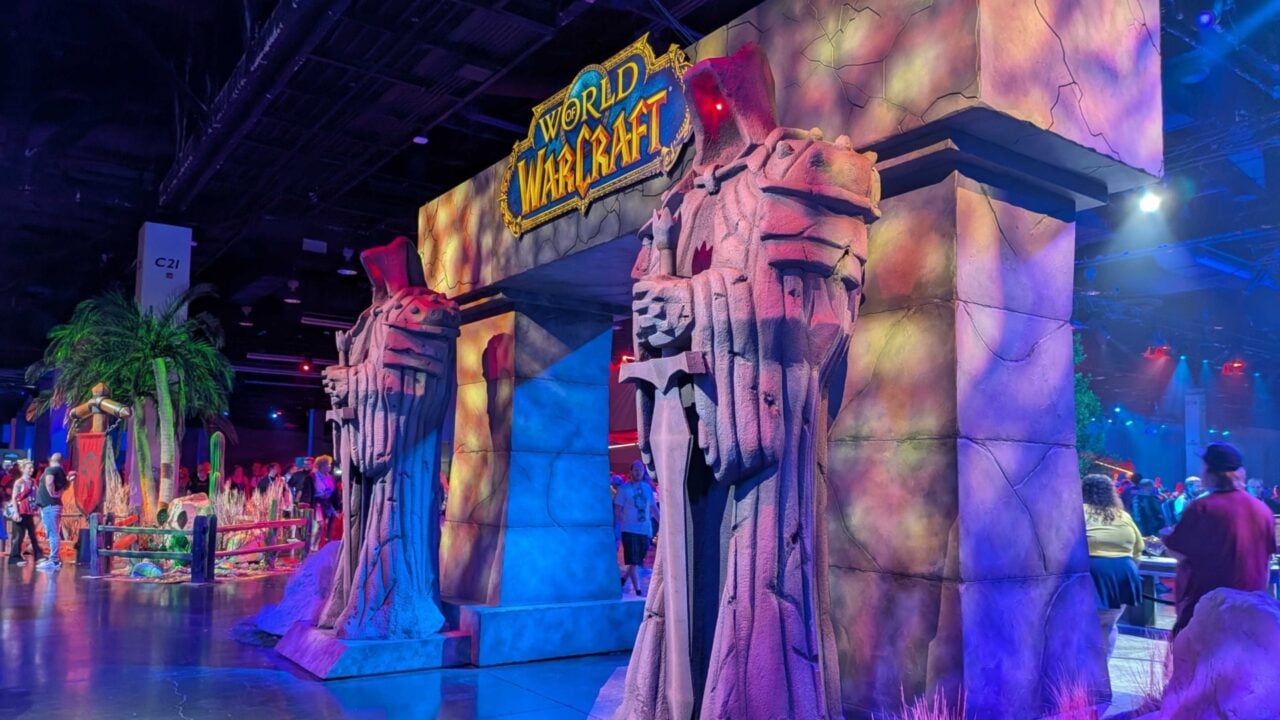
Blizzard Entertainment has effectively ended the annual cadence of BlizzCon, the company's flagship convention that has defined the esports and gaming calendar for nearly two decades.
The shift signals a major departure from tradition. BlizzCon operated as a yearly fixture since 2005, serving as the primary stage for Blizzard to announce expansions, reveal esports tournament results, and engage with its global community. The event also hosted the World of Warcraft Arena World Championship and the Overwatch League Grand Finals, making it unmissable for competitive players and franchise stakeholders.
Blizzard has not committed to a specific schedule for future BlizzCons. This creates uncertainty across multiple fronts. Esports teams and players lose a fixed calendar anchor for major competitions. Content creators and influencers can no longer plan content calendars around the event. The broader gaming press loses a guaranteed window for major announcements and industry coverage.
The decision reflects broader challenges facing Blizzard. The studio has faced sustained criticism over workplace culture issues since 2021. Diablo Immortal's monetization sparked backlash. World of Warcraft suffered player exodus during the Shadowlands expansion. Overwatch 2's free-to-play transition drew mixed reactions on cosmetic pricing. These compounding problems have dented Blizzard's standing with its core audience.
An irregular BlizzCon schedule also reduces financial and logistical commitments during a period when Blizzard has restructured multiple teams and shifted development priorities. Hosting an annual major convention demands significant resources across marketing, talent management, event production, and security. Without clear game launches or expansion releases to anchor an event, the traditional yearly cycle becomes harder to justify.
The company still plans to hold BlizzCon events. However, without a committed timeline, Blizzard essentially signals that the convention will occur only when the company has substantial content to showcase. This puts BlizzCon on the same footing as other irregular gaming industry events rather than the predictable annual touchstone it once represented.
This matters for multiple communities. Esports organizations built business models around Blizzard titles and their associated tournaments. The Overwatch League, despite its struggles and eventual shutdown of franchise teams, operated with BlizzCon as its championship culmination. World of Warcraft players relied on BlizzCon announcements to drive expansion hype and endgame planning.
The move also reflects shifts in how major publishers handle community engagement. Companies increasingly favor digital events, livestreams, and smaller targeted announcements over massive in-person conventions. The pandemic accelerated this trend, but it has stuck around.
Blizzard has not announced when it will make a final decision on future BlizzCon dates. Until the company provides clarity, teams, players, and content creators operate without the scheduling certainty that defined the esports landscape for fifteen years. For a studio that once dominated gaming culture, the end of mandatory BlizzCon years marks another retreat from industry leadership.