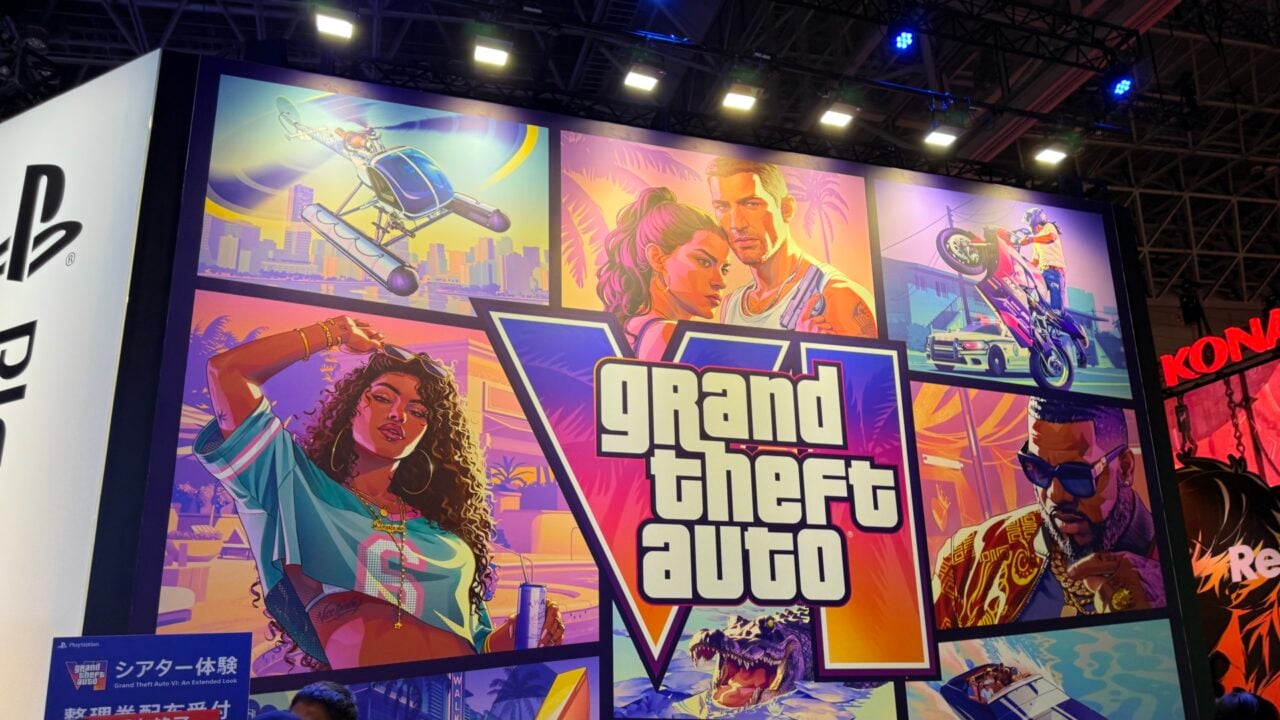
# Grand Theft Auto 6 Merchandise Chaos at Tokyo Game Show Proves Scalpers Are a Global Problem
Scalpers descended on Tokyo Game Show and turned what should have been a celebration of gaming into a frustrating free-for-all, targeting Grand Theft Auto 6 merchandise with the same ruthlessness they've applied to console drops and sneaker releases for years.
Rockstar Games merchandise, particularly GTA 6 branded t-shirts and apparel, sold out in minutes at the Tokyo Game Show booth. Attendees who arrived early enough secured items, only to find resellers immediately flipping the same merchandise on secondary markets at inflated prices. The scene repeated across multiple days of the event, with scalpers camping booth queues and using multiple purchase tactics to accumulate inventory they never intended to keep.
This isn't a surprise at this point. Scalpers have plagued gaming launches since the PlayStation 5 and Xbox Series X demand surge of 2020. They've weaponized bots and coordination networks to strip retail stock of everything from graphics cards to limited-edition controllers. But Tokyo Game Show's merchandise meltdown reveals something worth noting. The problem isn't confined to Western markets or online retail environments anymore. Japan's gaming community, despite the country's reputation for orderly crowds and queuing culture, proved just as vulnerable to organized reselling operations.
GTA 6 represents the biggest gaming release in years. Rockstar's marketing machine has generated massive anticipation since the game's reveal trailer dropped in December 2023. The franchise has a massive following in Japan, where Grand Theft Auto remains consistently popular across all major platforms. That combination of brand power and scarcity created the perfect storm for resellers.
The merchandise in question wasn't limited to basic t-shirts. Rockstar brought exclusive pins, bags, and branded apparel that fans couldn't purchase anywhere else. That exclusivity made reseller prices explode. The scalper problem extended beyond physical goods too. Digital content codes and promotional items tied to the merchandise became targets for resellers seeking every possible angle.
Tokyo Game Show organizers and Rockstar faced a logistical nightmare. Security presence at merchandise booths increased as the event progressed, but enforcement remained difficult. By the time officials identified problematic buying patterns, scalpers had already secured their haul and vanished into the crowd. Many left Tokyo Game Show with bags full of merchandise destined for Japanese resale sites like Mercari or Yahoo Auctions, where GTA 6 apparel commanded three to five times retail value within hours.
The incident highlights a persistent industry failure. Major publishers and event organizers still haven't implemented effective anti-scalping measures at physical events. Purchase limits exist on paper, but enforcement relies on human staff who can't realistically monitor thousands of transactions across multiple booths simultaneously. Digital verification systems remain rare at gaming conventions.
Rockstar Games faces a credibility problem heading into GTA 6's launch. Fans expect better merchandise distribution strategies for the most anticipated game of the decade. If Rockstar can't control scalping at controlled events like Tokyo Game Show, concerns about launch day digital and physical product availability will intensify.
The problem spreads wider than one publisher's merchandise strategy. As long as resellers can reliably monetize scarcity without consequence, they'll target gaming events worldwide. Tokyo Game Show 2024 proved that geographic location, cultural norms, and event security all fail against coordinated scalping operations. Until the industry implements serious consequences for resellers and genuine purchase limits with enforcement teeth, chaos like this will remain inevitable.