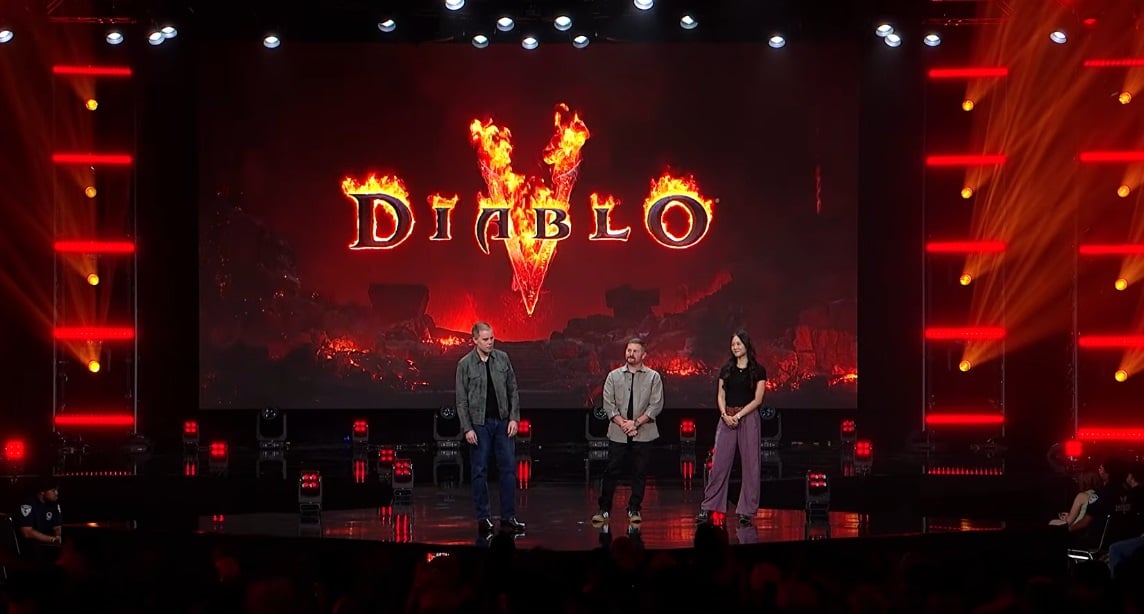
Blizzard Entertainment faces an unusual situation regarding its legendary franchises. The studio confirmed Diablo 5 development for PC but remains oddly silent on StarCraft's future, creating confusion among fans and industry observers alike.
The asymmetry raises questions about Blizzard's strategic priorities and franchise health. Diablo 4 launched in 2023 to strong commercial performance, selling over 12 million copies and establishing solid live-service momentum. The confirmation of Diablo 5 signals confidence in the action RPG's longevity and player investment. By contrast, StarCraft remains dormant at the mainline level, with Blizzard offering no clarity on whether a third numbered entry exists in development.
StarCraft's silence feels particularly jarring given the franchise's historical significance. The original StarCraft revolutionized real-time strategy gaming in 1998 and remains a cultural pillar in esports, especially in South Korea where the game achieved mainstream dominance. StarCraft 2 launched in 2010 and sustained a competitive ecosystem for over a decade, though player engagement gradually shifted toward other titles. The game still maintains an esports presence, but Blizzard effectively moved resources elsewhere.
Blizzard's reticence about StarCraft could reflect several realities. RTS games face declining mainstream appeal compared to MOBAs and tactical shooters. The competitive RTS audience, while passionate, contracted significantly since StarCraft 2's peak years. Resource allocation at Blizzard prioritizes Diablo, Overwatch, and World of Warcraft, franchises with broader commercial reach. A StarCraft 3 announcement would commit studio resources to a genre struggling for mass market relevance.
The PC-specific confirmation for Diablo 5 also warrants examination. Diablo 4 released exclusively on PC and consoles, demonstrating that action RPGs translate well across platforms. Blizzard's explicit PC mention for Diablo 5 suggests console versions remain under discussion or planned but not yet locked. This contrasts sharply with StarCraft, a franchise historically tied to PC gaming with minimal console presence.
Fan speculation fills the void. Some players theorize Blizzard develops StarCraft content but frames it differently, perhaps as an expansion or spin-off rather than a numbered sequel. Others accept that StarCraft's era concluded and Blizzard moved on. The studio provides no official statement resolving this ambiguity.
Blizzard's communication strategy here feels unnecessarily opaque. The studio could issue a clear statement addressing StarCraft's status, whether development exists, paused, or permanently shelved. Instead, silence invites speculation and disappoints the franchise's dedicated remaining playerbase. For Diablo, explicit confirmation builds hype and player retention. For StarCraft, the absence of any similar messaging sends an implicit but unmistakable message about corporate priorities.
The situation reflects broader industry trends. Legacy franchises face pressure to remain relevant or fade away. Blizzard chose investment in Diablo's proven commercial success while leaving StarCraft in limbo. That choice makes business sense, but the communication gap between the two franchises reveals how completely the industry's priorities have shifted since StarCraft defined esports in the early 2000s.