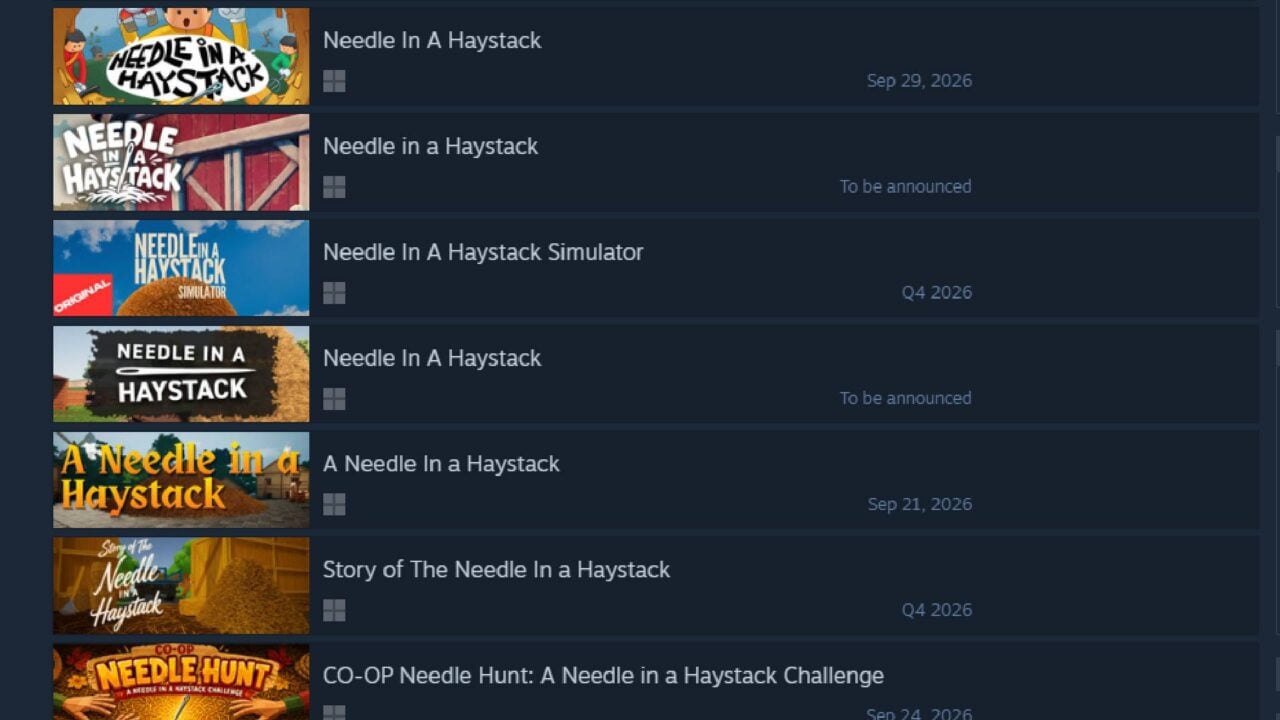
Valve's Steam platform faces a mounting crisis of asset-flipping and low-effort copycat games that threaten to bury legitimate indie titles under waves of shovelware. The storefront's explosive growth has created conditions where developers can flood the marketplace with minimal-quality releases, drowning out original work and frustrating genuine creators trying to build audiences.
The problem stems from Steam's relatively low barriers to entry. Anyone willing to pay a modest fee can publish a game, and tools like Unity and Unreal Engine democratized game development. Those same tools also make it trivial to swap art assets and republish the same game skeleton under different titles. Asset stores provide cheap 3D models, sprites, and music, enabling bad actors to churn out dozens of near-identical games in weeks. A developer with minimal skill can slap new cosmetics on borrowed code and call it done.
The sheer volume matters. Steam now hosts over 100,000 games across its library. Major releases still command visibility through algorithmic promotion and review systems, but the mid-tier and discovery layers have become congested. Players hunting for hidden gems encounter hundreds of abandoned projects, reskinned asset packs masquerading as full games, and intentionally confusing titles designed to trap the algorithm. Many of these titles generate token engagement through trading cards, achievements, and other monetization mechanics without offering substantive gameplay.
Valve has implemented some safeguards. The platform requires Steamworks fees and credit card verification to deter mass spam accounts. Store curation flags obvious scams. User reviews provide some signal. But these filters work reactively, not proactively. By the time a game gets flagged as a copycat, it has already consumed storefront real estate and potentially bilked casual players unaware of its origins.
The economics enable the behavior. A shovelware developer needs only a handful of purchases to break even. Success means pure profit. Meanwhile, legitimate indie studios investing months into original titles compete for the same shelf space against games that took days to produce. Some established indie developers report that discovery has become nearly impossible without advertising spend, which erodes already-thin margins on lower-priced titles.
This cascades into worse outcomes. When finding quality games demands exhaustive research and filtering, players retreat to known franchises and proven publishers. That consolidates market share toward the biggest names and makes life harder for emerging talent. New developers struggle to build audiences not because their work lacks merit, but because nobody can find it.
Valve faces genuine pressure to act. Stricter curation would slow the pace of legitimately original games reaching players but would also slow copycats. Tighter review processes require resources Steam might prefer spending elsewhere. Automated detection systems flag false positives and create gatekeeping concerns. There's no perfect solution that eliminates spam without impeding genuine creators.
The storefront's strength has always been its openness. That same openness now works against it. As the library expands and discoverability becomes harder, Steam risks becoming less valuable as a launchpad for innovative work and more valuable as a distribution channel for existing franchises. The needle remains in the haystack. Finding it just takes longer every year.