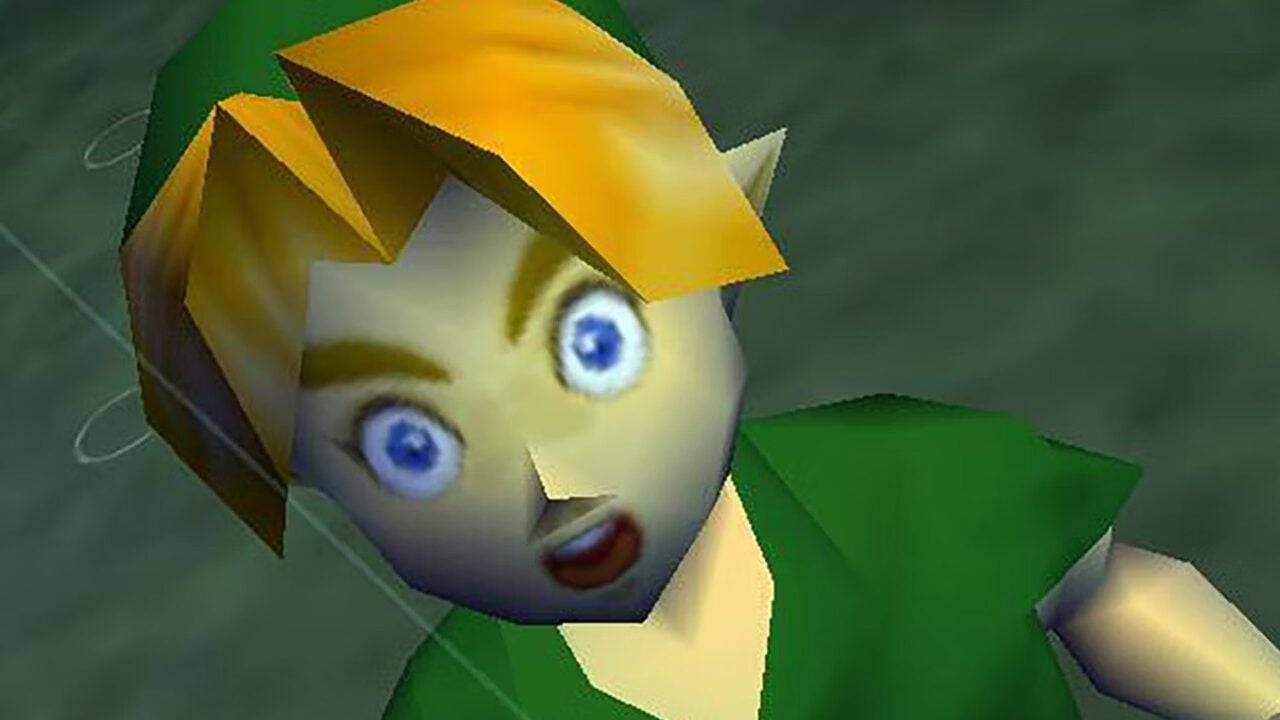
The team behind Ship of Harkinian, the wildly popular PC port of The Legend of Zelda: Ocarina of Time, revealed this week that they have been using AI language models (LLMs) for "years" during development. The admission sparked immediate backlash from the community, with players now questioning the integrity of a project that has become the definitive way to play the 1998 Nintendo classic on modern systems.
When pressed on which versions of the port remain free from AI-generated content, a developer responded that they did not know. This uncertainty underscores how deeply AI has integrated into the project's workflow and raises uncomfortable questions about transparency and player expectations.
Ship of Harkinian emerged as a fan-made restoration and enhancement project designed to bring Ocarina of Time to PC with improved graphics, expanded content, and quality-of-life features that Nintendo has never officially provided. The port garnered hundreds of thousands of downloads and became a flashpoint in broader debates around emulation, preservation, and fan projects. Nintendo has largely tolerated the project despite its unofficial nature, likely because it sits in a gray legal area and actually drives interest in the original game.
The AI revelations change that calculus. Players used terms like "vibecoded slop" to describe the perceived degradation in quality, suggesting that AI integration had subtly corrupted the project's artistic cohesion. Fan communities that celebrated the port as a labor of love now view it with suspicion. The distinction between human-crafted restoration work and algorithmically-generated content matters enormously to preservation-minded gamers who see fan projects as guardians of gaming history.
The timing creates complications for the broader emulation and modding ecosystem. Ship of Harkinian's success demonstrated that massive numbers of players would engage with unofficial versions of classic games if given the right experience. Nintendo's tolerance of it provided a model for coexistence between corporate rights holders and fan creators. AI disclosure failures chip away at that trust.
Developers face mounting pressure to disclose AI usage across all software sectors, but the gaming community moves faster than regulatory frameworks. Players make purchasing and engagement decisions based on authenticity and artistic intent. An unlabeled AI tool that generates dialogue, texture descriptions, or design documentation undermines that foundation, especially when the original work came from voluntary contributors motivated by passion rather than profit.
The Ship of Harkinian team now confronts a credibility crisis. They built something genuinely useful that millions preferred to Nintendo's own archival efforts. That achievement rested partly on community perception of quality craftsmanship. Retroactive disclosure of AI involvement, combined with developer uncertainty about its scope, suggests either poor documentation or avoidance of accountability.
The incident signals that AI adoption in fan projects requires the same transparency standards as professional releases. The emulation and modding communities will likely demand clearer labeling and disclosure going forward. This becomes particularly relevant as AI tools improve and become easier to integrate into workflows.
For Nintendo, the situation presents a strategic choice. The company could crack down on Ship of Harkinian as compromised, or recognize that the port's continued existence serves preservation goals that the corporation itself neglects. Fan communities will determine the port's future through their voting with attention and participation.