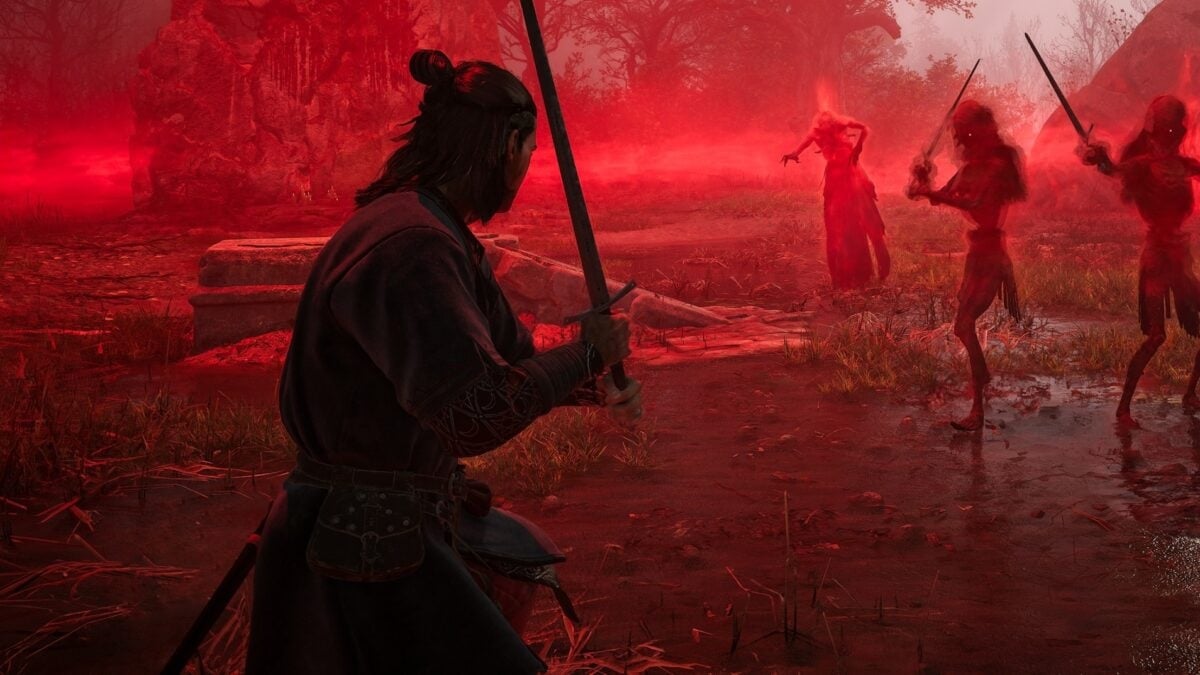
# Blood of Dawnwalker Emerges as 2024's Breakout Success Story on Modest Budget
Vampire RPGs rarely achieve mainstream dominance, yet Blood of Dawnwalker has shattered expectations to become a legitimate Game of the Year contender. The title accomplished this feat on a $40 million development budget, a fraction of what AAA studios typically spend on new IP.
The game's success marks a turning point in how the industry views franchise launches. Most new IPs from major publishers arrive with budgets exceeding $100 million, yet struggle to find audiences or critical acclaim. Blood of Dawnwalker proves that creative vision and focused design trump raw spending power. The vampire fantasy setting, combined with deep RPG mechanics, resonated with players tired of live-service bloat and repetitive open-world design.
Developer Bloodline Games crafted a character-driven experience that prioritizes narrative depth and player agency. The RPG systems reward exploration and meaningful choice rather than grinding through padding. Combat flows between tactical strategy and real-time action, giving players multiple viable approaches to encounters. These design decisions created word-of-mouth momentum that traditional marketing rarely achieves.
Critics praised Blood of Dawnwalker for respecting player intelligence. Dialogue options branch naturally, conversations carry weight, and character arcs develop based on your decisions. The game trusts you to construct your own vampire lord rather than funneling you down predetermined paths. This philosophy extends to the world itself, where environmental storytelling reveals lore without mandatory cutscenes.
The $40 million budget clearly went toward substance. Bloodline Games avoided expensive licensed music, celebrity voice acting, and redundant motion-capture shoots. Instead, they invested in world-building systems, NPC scheduling that creates living communities, and branching quest structures. This approach generated exponentially more replayability than bigger-budget competitors achieved with half the content depth.
Market timing helped too. Blood of Dawnwalker arrived when players actively rejected cynical monetization. No battle pass systems. No cosmetic shop. No seasonal content designed to exploit FOMO. The game sold copies once and rewarded players for their money without ongoing extraction tactics.
Platform availability expanded the audience. PC, PlayStation 5, and Xbox Series X/S launches happened simultaneously, avoiding the exclusivity windows that fragment player communities. Next-gen console optimization ran flawlessly, with the PC version receiving robust graphics options on day one.
The GOTY conversation now includes Blood of Dawnwalker alongside Balatro, Metaphor: ReFantazio, and Silent Hill 2. These titles share something publishers increasingly ignore: they respect the audience. Players noticed. They bought the game, streamed it, discussed it online, and recommended it to friends. No paid influencer campaign could manufacture this organic enthusiasm.
Blood of Dawnwalker's success threatens conventional wisdom about franchise launches. Publishers spent over $200 million combined on Concord and Marvel's Avengers, both commercial failures. Blood of Dawnwalker spent $40 million and became a bestseller. Studios now face pressure to reconsider their spending strategies. Maybe hiring triple-A orchestras and celebrity narrators matters less than hiring writers who understand pacing, designers who respect player time, and developers passionate about their world.
This vampire RPG's dark horse rise reshapes how the industry calculates success. Budget size no longer determines quality or commercial viability. Intent does.