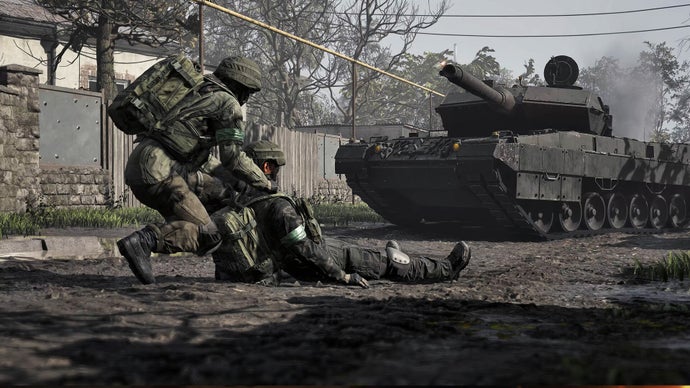
Bulkhead Interactive, the studio behind the recent tactical FPS Wardogs, screens job applicants by reviewing their social media accounts for criticism of crunch work practices. CEO Joe Brammer disclosed this hiring approach during a recent interview, stating that the studio deliberately avoids recruiting candidates who publicly oppose extended work hours.
Brammer framed crunch as an industry inevitability. "It is going to happen at some point," he said, even though Bulkhead "always try and avoid it." The studio apparently interprets public anti-crunch messaging from candidates as a red flag. According to Brammer, developers who vocalize concerns about overtime on social platforms "often don't make it in the door" at Bulkhead.
This hiring practice reflects a broader tension in game development. Crunch has plagued the industry for decades. Studios like Rockstar Games, Quantic Dream, and Telltale Games faced public backlash over brutal working conditions. The International Game Developers Association consistently documents how mandatory overtime damages mental health, productivity, and retention. Several studios have publicly committed to crunch-free development, including Spiders and smaller indie teams.
Bulkhead's approach inverts the typical recruiting narrative. Rather than appealing to candidates by promising better work-life balance, the studio filters out those likely to resist crunch expectations. This filtering strategy suggests the studio anticipates crunch will occur regularly enough that hiring idealistic candidates creates friction.
The statement arrives at a moment when labor activism in gaming gains momentum. Unionization efforts at Activision Blizzard, Raven Software, and QA departments across the industry have centered on working conditions and compensation. Major publishers including PlayStation Studios and Microsoft have acknowledged crunch issues in recent years, though enforcement of anti-crunch policies remains inconsistent.
Wardogs launched in early access on PC in 2024 and has attracted a dedicated player base within the tactical shooter space. The game positions itself as competition to games like Escape from Tarkov and Squad. Despite the title's solid reception, Brammer's comments underscore how development culture shapes recruitment even among smaller, independent-minded studios.
The revelation raises questions about sustainable development practices. If Bulkhead genuinely views crunch as unavoidable, proactive hiring to avoid crunch skeptics becomes a strategy for managing culture rather than addressing root causes. This approach prioritizes team cohesion around crunch acceptance over building systems that actually prevent it.
Game development labor remains precarious. Many studios operate on tight schedules and budgets. Crunch persists partly because publishers demand launch windows and update cadences that compress timelines. Individual hiring practices cannot solve structural industry problems. Yet screening out voices that question these practices suggests some studios remain committed to the status quo rather than the systematic change that broader industry advocacy demands.