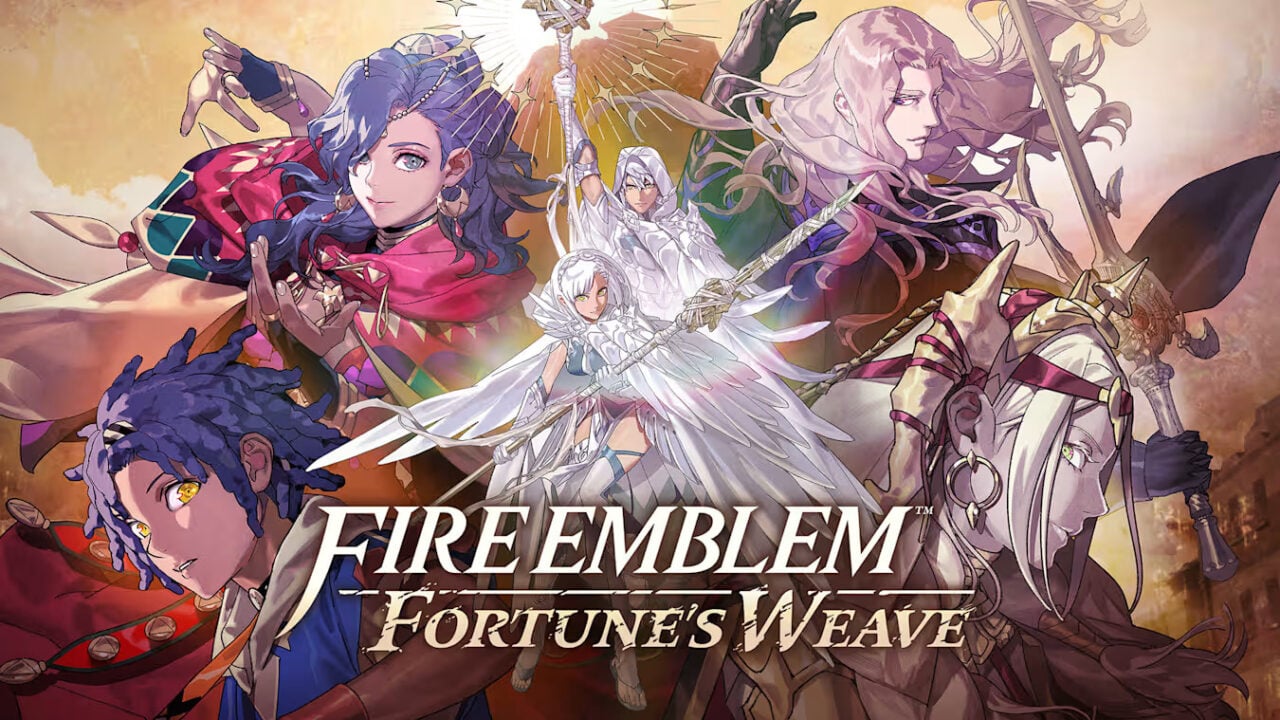
# Fire Emblem: Fortune's Weave Almost Had Eight Protagonists
Fire Emblem: Fortune's Weave, the latest tactical RPG entry in Nintendo's long-running strategy franchise, nearly launched with a radically different narrative structure. Developers revealed in recent interviews that the game's story originally supported eight playable protagonists instead of the current setup, a design choice that would have fundamentally altered how players experience the campaign.
The shift toward a reduced protagonist count reflects a deliberate creative decision by Intelligent Systems, the studio behind the Fire Emblem series. Multiple perspectives across different characters can expand playtime and narrative depth, but it also fragments player investment. Concentrating focus on fewer leads allows for tighter character arcs and stronger emotional payoff. The developers determined that streamlining the protagonist roster improved story cohesion without sacrificing the branching narrative paths Fire Emblem fans expect.
Fortune's Weave maintains the series' signature permadeath mechanic and tactical grid-based combat while exploring new thematic territory. The game's setting draws from a fortune-telling framework that shapes how story chapters unfold. Each campaign decision carries weight, and protagonist relationships branch based on player choices during key story moments. This system becomes harder to balance across eight distinct perspectives. Five or six protagonists allow for deeper individual development while maintaining the party dynamics that define Fire Emblem gameplay.
The interview also clarified the origins of one of the game's most discussed characters: the "Nun with a Gun." This unconventional unit class sparked immediate attention from the community upon reveal. Rather than a design flourish meant purely for shock value, the developers explained that the character serves a specific mechanical and narrative purpose within Fortune's Weave's world. The setting features conflict between religious institutions and secular powers, and this character embodies that tension. Armed clergy members fit the game's lore while offering players a unit archetype that bridges healing and damage roles, filling a team composition gap that previous Fire Emblem entries struggled to address smoothly.
The decision to include this character reflects how Intelligent Systems approaches class design. Fire Emblem titles historically limit healing to vulnerable mages or dedicated priest classes, forcing players into predictable team structures. A unit that combines faith-based abilities with combat prowess offers strategic flexibility. Players can deploy her offensively without sacrificing group survivability, or position her defensively while maintaining healing support.
Nintendo plans to reveal more details about Fortune's Weave's full cast and mechanics before launch. The game launches exclusively on Nintendo Switch, continuing the platform's dominance as the home for tactical RPG experiences. With Fire Emblem: Three Houses having sold over 4 million copies, Fortune's Weave enters a franchise riding genuine momentum. The streamlined protagonist approach and innovative class design suggest developers learned from player feedback about pacing and strategic variety.
The reduction from eight to fewer protagonists may sound like a limitation, but it represents mature storytelling choices. Fire Emblem's audience values character depth over cast size. By concentrating narrative resources on fewer leads, Intelligent Systems delivers tighter arcs that resonate more strongly than spread-thin ensemble narratives.