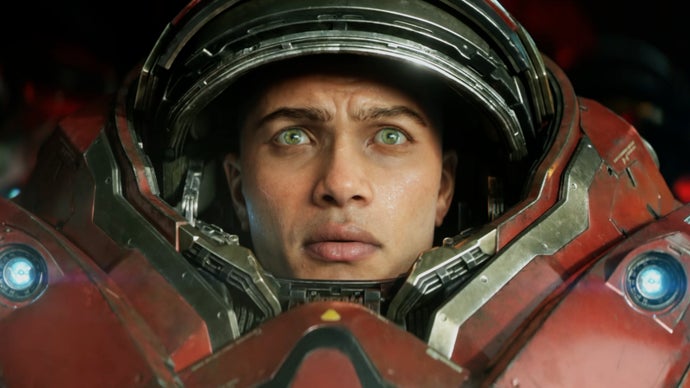
Blizzard Entertainment unveiled its most ambitious slate of releases in years at BlizzCon 2026, announcing three major titles that reshape the publisher's near-term roadmap. The company confirmed a new StarCraft open-world shooter launching in 2030, Diablo 5 arriving in 2029, and WOW: Forever, a fresh World of Warcraft branch designed to preserve and evolve the MMO's classic experience.
The StarCraft shooter represents Blizzard's boldest pivot for the real-time strategy franchise. Creative directors positioned the game as "Deadwood in space," signaling a narrative-driven, character-focused approach that departs from traditional RTS gameplay. The title abandons the competitive multiplayer focus that defined StarCraft II in favor of an open-world structure with cinematic storytelling. This marks a significant gamble for a franchise built on esports infrastructure and competitive depth. The 2030 window suggests Blizzard plans substantial development time to justify the franchise departure.
Diablo 5 arrives a year earlier, in 2029. Following Diablo IV's 2023 release and mixed reception regarding live service systems, the sequel represents a hard reset opportunity. Blizzard has not detailed mechanical overhauls or gameplay direction, but the four-year gap between entries suggests extensive redesign rather than iterative advancement. The franchise remains Blizzard's strongest performer in the action-RPG market, with Diablo IV generating sustained revenue through cosmetics and battle passes despite player complaints about grind-heavy endgame systems.
WOW: Forever stands as the most controversial announcement. The new branch signals Blizzard's acceptance that a single World of Warcraft cannot serve both players chasing cutting-edge raid progression and those seeking classic, unchanging experiences. By maintaining a parallel version frozen at a specific point in the game's evolution, Blizzard mirrors Final Fantasy XIV's existing structure while potentially cannibalizing subscriptions across two versions. The naming echoes inevitable community jokes about the perpetual state of MMO expansion promises.
These reveals expose Blizzard's strategic challenge. The company maintains leadership in MMORPGs and action-RPGs but faces erosion in competitive multiplayer spaces. Overwatch 2's free-to-play transition failed to sustain engagement expected from a live service shooter. StarCraft II's esports ecosystem, while stable, contracted significantly after a decade of dominance. The new StarCraft shooter abandons competitive multiplayer entirely, ceding that space to younger franchises like Valorant and CS2.
The 2029-2030 timeframe creates a dangerous content void. World of Warcraft faces a two-year wait for the next major IP revision until Diablo 5 launches. Overwatch 2 must sustain momentum without new flagship releases backing the publisher's marketing efforts. Blizzard's ability to retain players through this period depends entirely on live service execution and seasonal content quality across existing titles.
These announcements also reflect internal pressure. Blizzard restructured aggressively after Microsoft's acquisition, consolidating teams and canceling numerous projects. The three major releases represent the studio's confidence in its surviving internal capacity after years of departures and reorganization.
The industry watches closely. Blizzard remains the gold standard for long-development cycles producing polished launches. Success validates the four-to-six year production window for AAA games. Failure strengthens the argument for smaller, faster-iterated projects that competitors like Valve and Bandcamp Games champion.