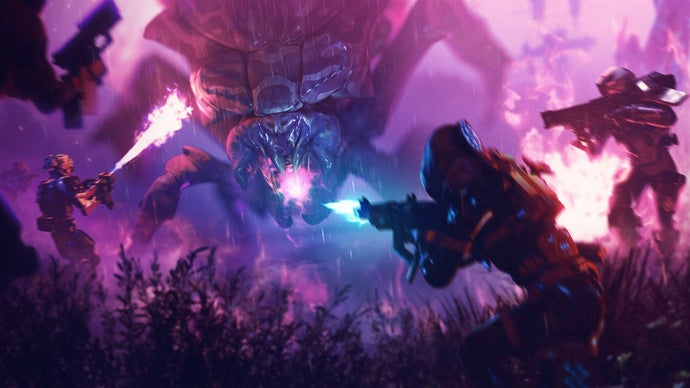
Bungie has delayed Marathon's next major update by three months, pushing the Symbiosis patch from September 22nd to December. The delay brings permanent PvE content to the live-service shooter, marking what Bungie describes as the opening move in Marathon's "next chapter."
The studio is simultaneously abandoning its strict seasonal schedule in favor of a more flexible release cadence. This shift represents a notable pivot for a game that launched in early access in 2023 with traditional seasonal structure. Marathon exists in a crowded competitive multiplayer space dominated by titles like Valorant, Counter-Strike 2, and Overwatch 2. The addition of permanent PvE gameplay signals Bungie's intention to broaden the game's appeal beyond hardcore PvP players.
The Symbiosis update's PvE component arrives at a moment when many live-service shooters are experimenting with cooperative and single-player experiences to retain and expand their player bases. Bungie has extensive PvE credentials through Destiny 2, where cooperative strikes and dungeons form a core part of the endgame loop. That expertise now transfers to Marathon, suggesting the PvE offering could carry genuine substance rather than serving as an afterthought.
Bungie's decision to drop the "strict seasonal schedule" carries broader implications. Seasonal models have defined live-service gaming for nearly a decade, creating predictable content windows that structure player engagement and spending. Battle passes, seasonal events, and gear resets tie directly to this cadence. By moving away from rigid schedules, Bungie either signals that Marathon's player base cannot sustain seasonal pressure or that the studio wants to prioritize quality over consistency. More likely, it's both. The game never achieved the penetration Bungie hoped for, and loosening the seasonal tether allows developers to ship features when ready rather than hitting arbitrary deadlines.
The three-month gap between now and December suggests substantial development work remains. PvE mode implementation in a PvP-centric shooter requires distinct design philosophy. Encounters need different difficulty tuning, progression mechanics, and reward structures than competitive modes. Enemy AI differs fundamentally from human players, and farming gameplay demands different feedback loops than ranked ladders.
For Marathon's existing player base, the message reads mixed. On one hand, delays telegraph that Bungie wants to deliver functional content rather than rushed patches. On the other, momentum matters enormously in competitive gaming, where player migration to established titles happens quickly. A December arrival means Marathon loses autumn months that could have brought returning players back and new players in.
The competitive shooter landscape continues to consolidate around Valorant, Counter-Strike 2, and established titles with entrenched communities. Marathon never captured meaningful market share against this competition. Bungie's willingness to abandon seasonal structure entirely suggests internal acknowledgment that standard live-service playbooks aren't delivering results. Whether permanent PvE content reverses that trajectory depends entirely on execution and whether Bungie can convince lapsed players the game offers something its competitors don't.
The December deadline will reveal whether this strategic shift rejuvenates Marathon or signals further decline.