# Fire Emblem: Fortune's Weave's Morally Gray Characters Are Dividing the Fanbase Over Romance Options
The upcoming Fire Emblem: Fortune's Weave has players already arguing about which characters deserve romance routes before the game even launches. Kotaku's piece captures the tension simmering across the fanbase: some players want to romance morally complex, antagonistic characters, while others insist the series should stick to traditional heroic options.
Fire Emblem has built its reputation on player choice, particularly through romance mechanics that started gaining prominence in Fire Emblem Awakening (2012) and Fire Emblem Fates (2015). These systems let players pursue relationships with dozens of characters, creating personal investment in supporting cast members. Fortune's Weave looks set to expand this approach further, introducing new character archetypes that challenge the traditional "good soldier" template.
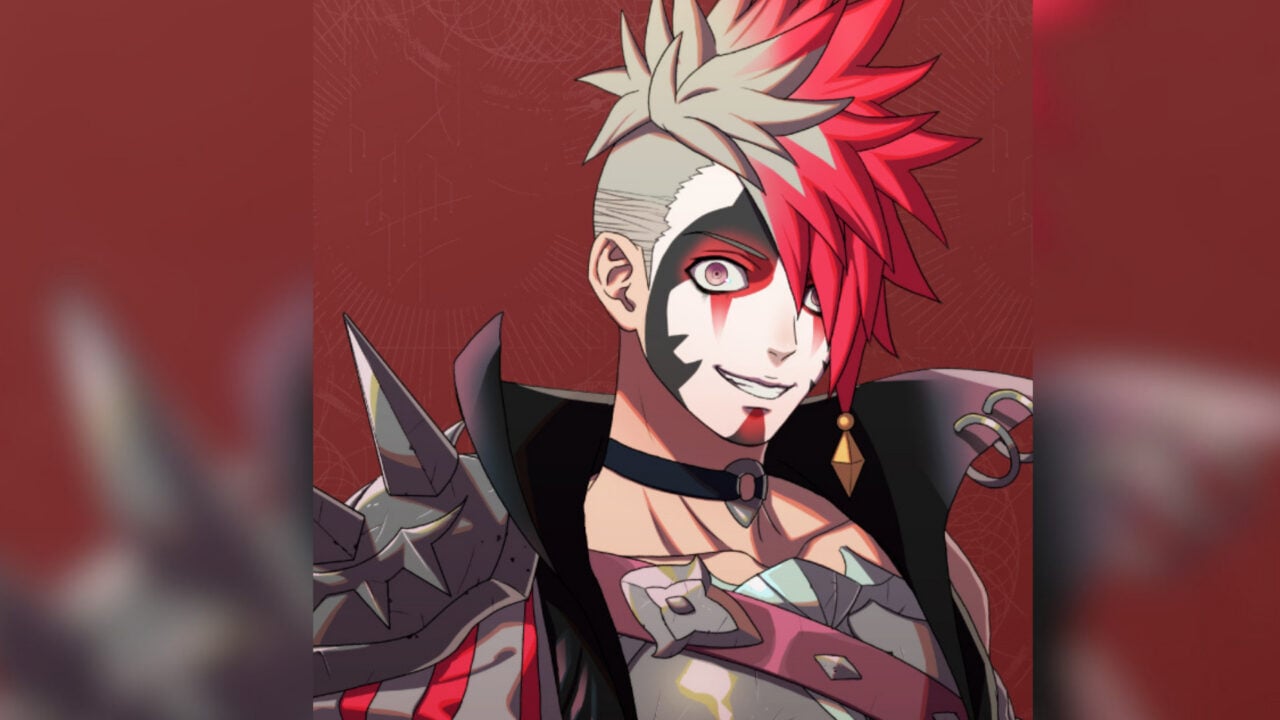
The debate centers on a specific character or set of characters described as morally gray. Players want the option to romance these figures despite (or because of) their flaws, questionable motivations, or outright antagonistic positions. The appeal is clear: Fire Emblem's permadeath mechanics and war-torn narratives create opportunities for complex moral characters. A character who started as an enemy but shares your goals, or someone whose methods you disagree with but whose perspective you understand, becomes infinitely more interesting when romance becomes possible.
Fortune's Weave enters a market where player agency in character relationships drives engagement. Fire Emblem Three Houses (2019) succeeded largely because its three different house routes offered fundamentally different romance and rivalry dynamics. Players didn't just replay the game for story variations. They replayed it to pursue different relationships, to experience alternate perspectives, and to make different moral choices about who they supported.
Intelligent Systems, the studio behind the series, faces pressure to expand romance options beyond traditional acceptable partners. The fanbase has grown increasingly sophisticated about narrative complexity. Players no longer accept blanket rejections based on character alignment. They want the option to pursue "bad" choices if they want them, understanding that romance itself becomes a moral decision. Do you romance the character because you believe in redemption? Because you're attracted to danger? Because you think you can change them? These are valid storytelling paths.
The counterargument exists: not every character needs romance availability. Some characters serve better as rivals, moral obstacles, or tragic figures who remain unavailable precisely because a relationship would undermine their narrative function. Fire Emblem's best storytelling often comes from complicated relationships that explicitly cannot become romantic. The tension creates drama that straightforward romance options might dissipate.
Fortune's Weave's character design choices will likely influence how future Fire Emblem titles approach romance availability. If Intelligent Systems locks certain characters out of romance routes, expect continued fan campaigns to mod or restore these options. The modding community has already proven willing to add unavailable characters to romance pools in Three Houses. Players vote with their content creation.
The real question isn't whether specific characters should be romanceable. It's whether developers trust their players to make morally complex choices without judgment. Fire Emblem's audience has demonstrated they want that freedom. Fortune's Weave's final roster of romance options will signal whether Intelligent Systems plans to expand or restrict player agency in its next chapter.