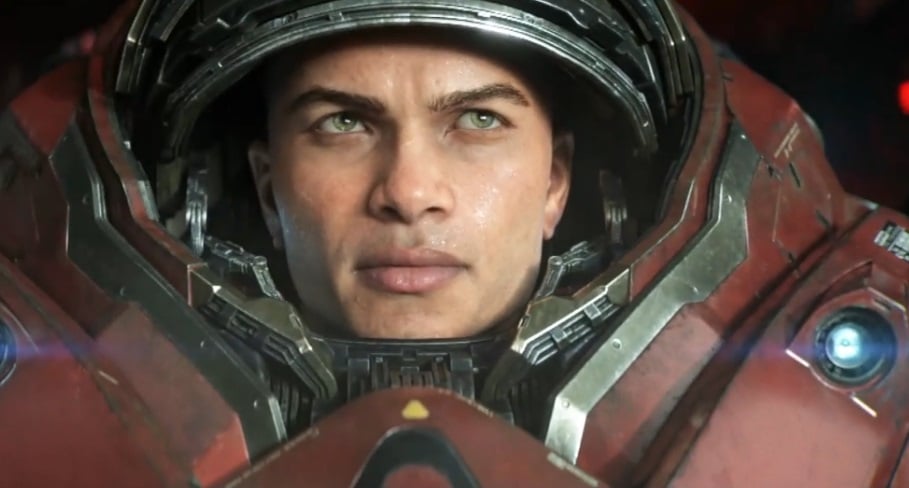
Dan Hay, the veteran game director who led Far Cry 3, Far Cry 4, and Far Cry 5 at Ubisoft, has joined Blizzard Entertainment to helm a new StarCraft shooter currently in development. The project represents a significant departure from Blizzard's traditional real-time strategy franchise, pivoting instead toward first-person action gameplay.
Hay's comments reveal the studio's creative direction for the unnamed title. In discussing the aesthetic and tone, Hay referenced HBO's Deadwood, the gritty Western drama series, as a potential inspiration. "If we were to make something that felt like a Deadwood in space I think that's got something," Hay told reporters, suggesting the team aims for mature, character-driven storytelling rather than the clean sci-fi presentation StarCraft traditionally offered. This signals a willingness to explore darker, more complex narrative territory than players might expect from a Blizzard property.
The hiring of Hay carries weight in the industry. His tenure at Far Cry established him as a director comfortable building open-ended gameplay spaces and character-focused narratives. Far Cry 3 became a franchise landmark through its antagonist Vaas and player agency in mission design. Far Cry 5 pushed further into America's cultural tensions, intentionally courting controversy. Bringing that sensibility to the StarCraft universe, a setting previously defined by Terran versus Protoss versus Zerg conflict, suggests Blizzard wants to inject new creative energy into the property.
The project remains in early stages, with Hay maintaining operational secrecy around specifics. Blizzard has not announced a release window, gameplay mechanics, or narrative focus. What players know is limited: this is a first-person shooter tied to the StarCraft IP, developed under Hay's direction, and aimed at delivering something tonally distinct from existing entries.
The timing matters for Blizzard. The company has struggled with live-service execution in recent years. Overwatch 2's transition to free-to-play generated mixed reception regarding monetization practices. Diablo Immortal faced backlash over mobile-first design and pay-to-win mechanics. A new StarCraft shooter represents an opportunity to recalibrate player trust while leveraging one of Blizzard's most beloved franchises.
StarCraft itself has evolved since its 1998 launch. The real-time strategy original spawned StarCraft II in 2010, which became an esports juggernaut in South Korea but struggled to match the original's cultural penetration elsewhere. A first-person shooter approach targets a broader, more mainstream audience. Blizzard has experience here. Overwatch launched in 2016 as a team-based shooter and became a billion-dollar franchise before stumbling.
Hay's hiring also signals Blizzard's willingness to invest in external talent. The studio has faced leadership transitions and departures over the past three years. Bringing in someone of Hay's caliber, with proven commercial success and critical credibility, represents a statement of intent about this project's importance to the publisher's future.
The Deadwood reference matters most. It suggests the team wants narrative weight, morally ambiguous characters, and gritty worldbuilding. That direction could differentiate this StarCraft shooter from competitors like Valorant, CS2, or Call of Duty, which prioritize competitive mechanics or spectacle. If Blizzard executes on Hay's vision, the result could reshape how players think about licensed shooter properties.