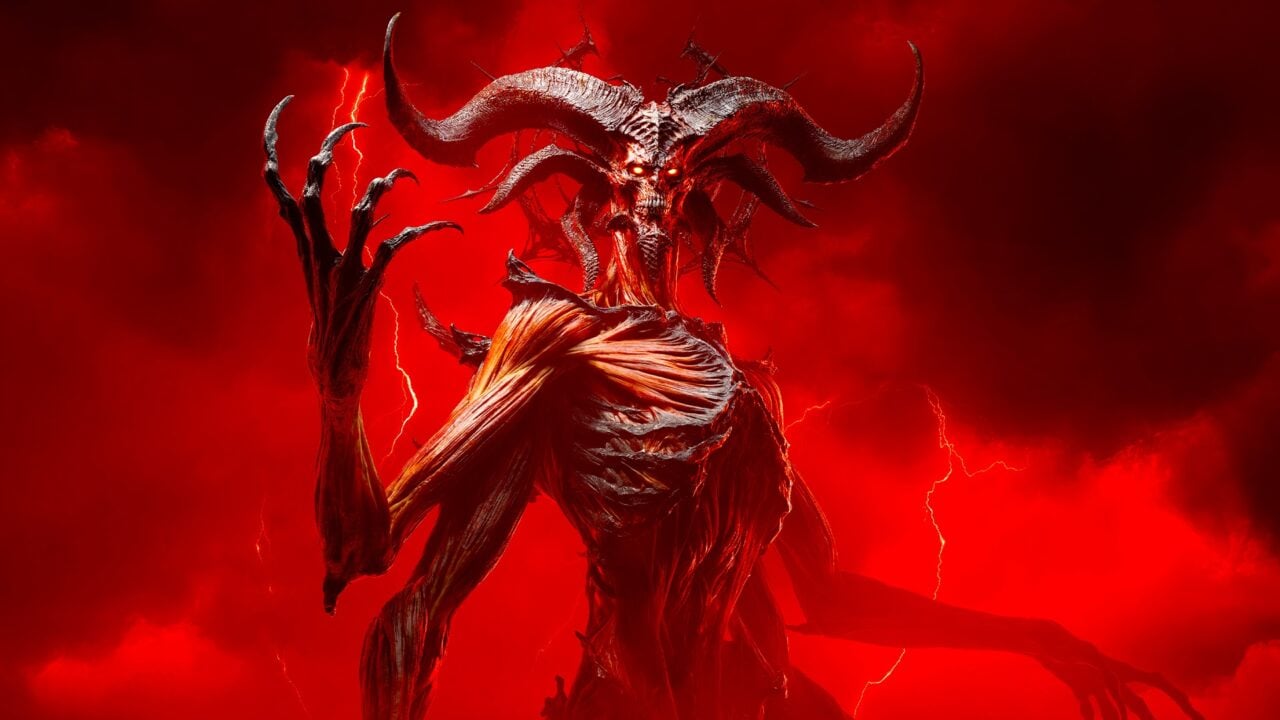
Blizzard Entertainment has abandoned annual expansion plans for Diablo 4, shifting strategy toward seasonal storytelling that will bridge the gap until Diablo 5 launches. The studio confirmed this pivot at BlizzCon 2024, signaling a fundamental change in how it supports its action RPG moving forward.
The decision marks a departure from Diablo 4's post-launch roadmap. Since the game's June 2023 debut, Blizzard delivered two major expansions: Vessel of Hatred in October 2024, which introduced the Spiritborn class and the Nahantu region, and the previously planned seasonal content structure. The publisher had initially telegraphed annual expansion cycles as the game's long-term content strategy. That model is now retired.
Instead, Blizzard will prioritize seasonal narratives tied directly to Diablo 5's development timeline. These seasons will carry thematic weight and story progression leading into the next mainline entry. The publisher views this approach as more sustainable and narratively coherent than disconnected annual releases. Seasonal content typically rotates every few months, includes new gameplay mechanics, balance adjustments, and limited-time questlines.
This strategy reflects broader industry trends. Live-service games increasingly favor seasonal models over numbered expansions because they encourage recurring engagement without demanding the same development resources. For Blizzard, the choice also acknowledges production realities. Developing Diablo 5 while maintaining annual expansions for Diablo 4 would strain the team. By consolidating efforts into seasonal stories, Blizzard can allocate more resources toward the sequel while keeping Diablo 4 players engaged.
Player reception to Vessel of Hatred was mixed. While the Spiritborn class earned praise for offering fresh build variety, some players criticized the expansion's endgame depth and the perceived grind required to unlock new content. The seasonal model gives Blizzard a framework to respond to this feedback more frequently and iteratively.
Diablo 5 remains undated. Blizzard has not shared a launch window or platform strategy beyond confirming development. The publisher previously stated it would not release the sequel until it delivered something meaningfully different from Diablo 4, indicating the project remains in active development rather than production-ready stages.
For Diablo 4 players, this announcement creates both opportunity and uncertainty. The seasonal pipeline promises consistent new storylines and mechanics without three-to-four month content droughts between expansions. However, the death of annual expansions signals that Blizzard views Diablo 4 as transitional. The game will eventually cease receiving post-launch content once Diablo 5 approaches launch or releases.
This mirrors Blizzard's handling of World of Warcraft patch cycles and other live-service titles. As players anticipate the next numbered entry, the current game enters a holding pattern. The seasonal model optimizes that transition. Whether players view this as prudent development or abandonment depends largely on whether upcoming seasons deliver compelling narratives and mechanical additions. Blizzard's track record with seasonal content across Diablo 4 and Diablo Immortal suggests competence, but execution will determine whether the community remains invested during the wait for Diablo 5.