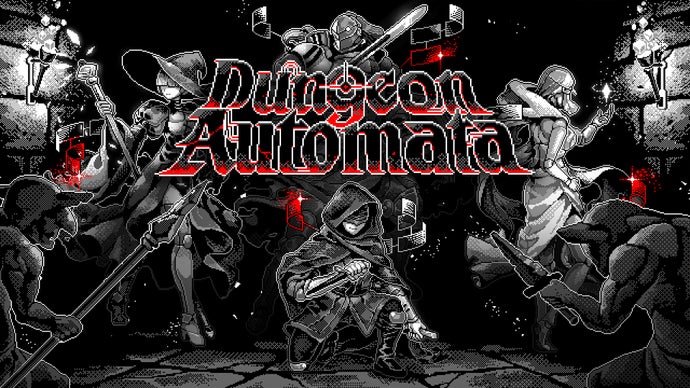
Dungeon Automata strips away the real-time button-mashing and stat-juggling that define most dungeon crawlers, replacing combat micromanagement with visual programming logic. Players build a party of heroes, then script their behavior through a node-based system that dictates how the team responds to enemy encounters. The actual battles play out automatically while you watch the strategy unfold.
The core hook works because it inverts the traditional dungeon crawler formula. Instead of controlling each character's action during combat, you pre-program decision trees. A hero might attack if enemy health drops below 30 percent, or cast a healing spell when the party takes collective damage. These conditions chain together into automated routines that execute during tower encounters. The "evil tower" structure provides escalating difficulty and new enemy types that force you to refine your programming logic between runs.
This approach attracts two audiences. Dungeon crawler purists who love optimizing builds and party composition get that scratching-the-itch depth through passive hero customization. But players fatigued by real-time reflexes or turn-based combat tedium find relief in watching a well-tuned system execute flawlessly. You're not grinding through battles. You're orchestrating them.
The visual programming angle matters because it lowers the barrier to entry for players intimidated by traditional code syntax. Node editors let you drag connections and set parameters visually, making complex logic readable at a glance. A dungeon crawler fan with zero programming experience can still grasp the fundamentals within minutes. This design choice also creates emergent complexity. Simple rules interact in unexpected ways, rewarding experimentation and iteration.
Genre-wise, Dungeon Automata sits in an underserved niche. Roguelikes and roguelites dominate indie dungeon crawling, but tower-climbing setups with permadeath or run-based progression remain popular. The auto-battler framework echoes mobile idle games and auto-chess titles, but applies those mechanics to a traditional fantasy party structure. It's mechanically novel without abandoning what makes dungeon crawlers compelling.
The visual presentation apparently matches the ambition. Screenshots suggest hand-drawn or pixel art aesthetics that fit the thoughtful pacing. A game built around watching your creations execute plans benefits from readable, appealing visuals that hold attention without requiring constant input.
Dungeon Automata launches into a market increasingly interested in hybrid genres that combine strategy depth with reduced mechanical friction. Games like Slay the Spire proved deck-building and roguelike structures captivate audiences beyond hardcore players. Hades demonstrated that accessibility and complexity coexist. Dungeon Automata extends that logic: let players engage with dungeon crawler complexity on their own terms, whether that means designing intricate combat algorithms or keeping things simple.
The game releases on PC, with indie studios targeting this space often expanding to console platforms later if early reception justifies it. For dungeon crawler enthusiasts burning out on real-time combat pressure or turn-based menu fatigue, Dungeon Automata offers a genuine alternative that respects both their love of stats-driven gameplay and their desire for breathing room during battles.