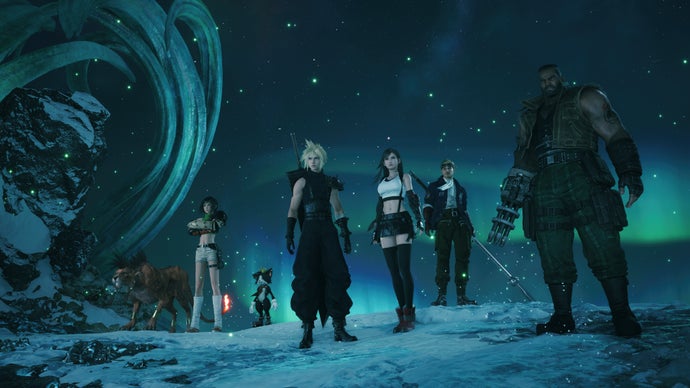
Naoki Hamaguchi, director of the Final Fantasy 7 remake project at Square Enix, is treating Final Fantasy 7 Revelation as a definitive ending to the trilogy, even as post-launch DLC threatens to extend the saga indefinitely.
Hamaguchi's statement reflects a creative philosophy that prioritizes closure over franchise extension. The director wants Revelation to function as a complete and satisfying conclusion to the Final Fantasy 7 remake narrative, designed as if no further games in this continuity will ever exist. This approach contrasts sharply with modern AAA game development, where live-service updates, cosmetics, and story DLC routinely stretch IP lifecycles across years.
Final Fantasy 7 Revelation arrives in 2025 as the third pillar of Square Enix's ambitious remake trilogy. The original 1997 Final Fantasy 7 shaped an entire generation of RPG players and remains the franchise's most bankable property. Square Enix committed to remaking the entire game across multiple releases, starting with 2020's Final Fantasy 7 Remake on PlayStation 4, followed by 2024's Final Fantasy 7 Rebirth on PlayStation 5. Revelation brings the remake project to its narrative conclusion by adapting the final act of the original game.
Yet the studio's parallel announcement of planned DLC episodes focused on antagonist Sephiroth and Valentine family member Vincent Valentine complicates any notion of true finality. These additions position themselves as epilogue material, adding layers to the story after Revelation's main campaign ends. The DLC structure essentially splits the "ending" across multiple purchases and release windows, extending player engagement and revenue opportunities long after launch day.
Hamaguchi's framing reveals tension between artistic vision and commercial realities in modern game development. By emphasizing that Revelation exists as a complete, standalone experience, he signals to fans that the main game delivers narrative payoff and thematic resolution. The DLC becomes optional supplementary content rather than mandatory components of the story. This messaging matters for player expectations. Fans burned by incomplete base games will appreciate confirmation that Revelation doesn't hold back essential plot threads for paid add-ons.
The Final Fantasy 7 remake trilogy has already demonstrated Square Enix's willingness to expand and recontextualize the original's story. Each entry introduced new scenes, characters, and plot threads that diverge from source material. Rebirth introduced time-travel mechanics and the Whispers system, fundamentally altering how players understand the narrative trajectory. Revelation must balance fan expectations for fidelity to the original ending with Square Enix's creative impulses to innovate.
Hamaguchi's "legend" ambition reflects the stakes involved. The original Final Fantasy 7 shaped industry perceptions of what RPGs could achieve. Its 1997 release introduced millions of players to the genre and remains culturally significant nearly three decades later. Recapturing that legacy while satisfying modern players demands exceptional execution. Revelation must deliver climactic battles, emotional payoffs, and thematic resonance that justify the trilogy's existence.
The December 2024 release of Rebirth positioned Revelation as close enough to feel inevitable yet distant enough for anticipation to build. Square Enix controls the pacing and revelation of information about the final entry, maintaining hype through gameplay reveals and story details. By year's end, players will finally learn whether Hamaguchi's philosophy of treating Revelation as a definitive endpoint produces the narrative payoff the remake trilogy promises.