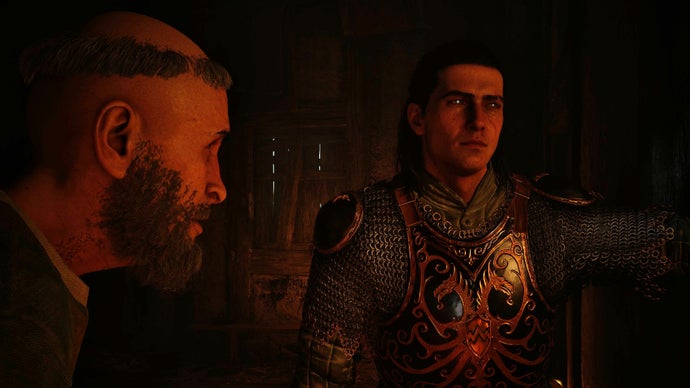
Rebel Wolves moves fast. The studio behind The Blood of Dawnwalker, a vampire-focused RPG that launched less than a week ago on PC, is already recruiting a narrative designer to help develop a sequel. A job listing appeared publicly this week, signaling the Polish developer's confidence in both the original game's reception and its commercial viability.
The Blood of Dawnwalker launched to solid player interest and generally positive reviews. The game positions itself as a dark fantasy RPG with gothic atmosphere and vampire lore at its center. It's built on Unreal Engine 5 and targets PC players who crave narrative-driven experiences with supernatural themes. Early Steam reviews lean favorable, though the player base remains modest compared to AAA releases.
Rebel Wolves' decision to hire narrative talent before the dust settles on launch suggests internal data looks promising. The studio may already have engagement metrics, retention figures, or pre-order performance that justify greenlighting sequel development. This is typical for well-funded independent studios with publisher backing or investor confidence. It's also standard practice when a creative vision spans multiple games from inception.
The job posting indicates Rebel Wolves wants to build out its writing team. The studio, founded by developers who previously worked on The Witcher 3 at CD Projekt Red, carries DNA from one of gaming's most celebrated narrative-driven RPGs. That pedigree influences their approach to worldbuilding and character development. A sequel narrative designer would inherit an established vampire mythology and player-invested characters, rather than starting from scratch.
For The Blood of Dawnwalker specifically, a sequel raises questions about story direction. The original game establishes its vampire protagonist and supporting cast across a single campaign. Sequels in fantasy RPGs typically expand scope, introduce new factions, or explore different regions of the world. Given the gothic Eastern European aesthetic Rebel Wolves established, expansion possibilities include deeper dives into vampire politics, conflict between multiple bloodlines, or a time jump that recontextualizes the original story.
Player reception of the first game will shape sequel priorities. If Blood of Dawnwalker resonates with audiences seeking atmospheric, choice-driven narratives, Rebel Wolves will likely double down on those elements. If specific side quests or characters generate community discussion, those become sequel seeds. The narrative designer hire suggests the studio already has outline concepts and needs someone to structure dialogue, questlines, and plot branching.
The RPG market rewards franchises with strong narrative foundations. Baldur's Gate 3 demonstrated that players pay premium prices for games with robust dialogue systems and meaningful choice architecture. The Witcher series proved that vampire mythology and dark fantasy still captivate audiences decades after initial releases. Blood of Dawnwalker positions itself within that tradition.
However, sequels carry risk. Heightened expectations, technical debt inherited from the first game, and budget pressures all complicate development. Rebel Wolves maintains creative control, which helps, but scaling a team while maintaining narrative quality requires discipline and experienced hiring.
The narrative designer posting represents more than administrative busywork. It signals Rebel Wolves believes The Blood of Dawnwalker has legs. Whether that confidence proves justified depends on sustained player engagement and financial performance over the coming months.