# Meccha Chameleon Bridges Digital and Physical Play With Real-World Event Transformation
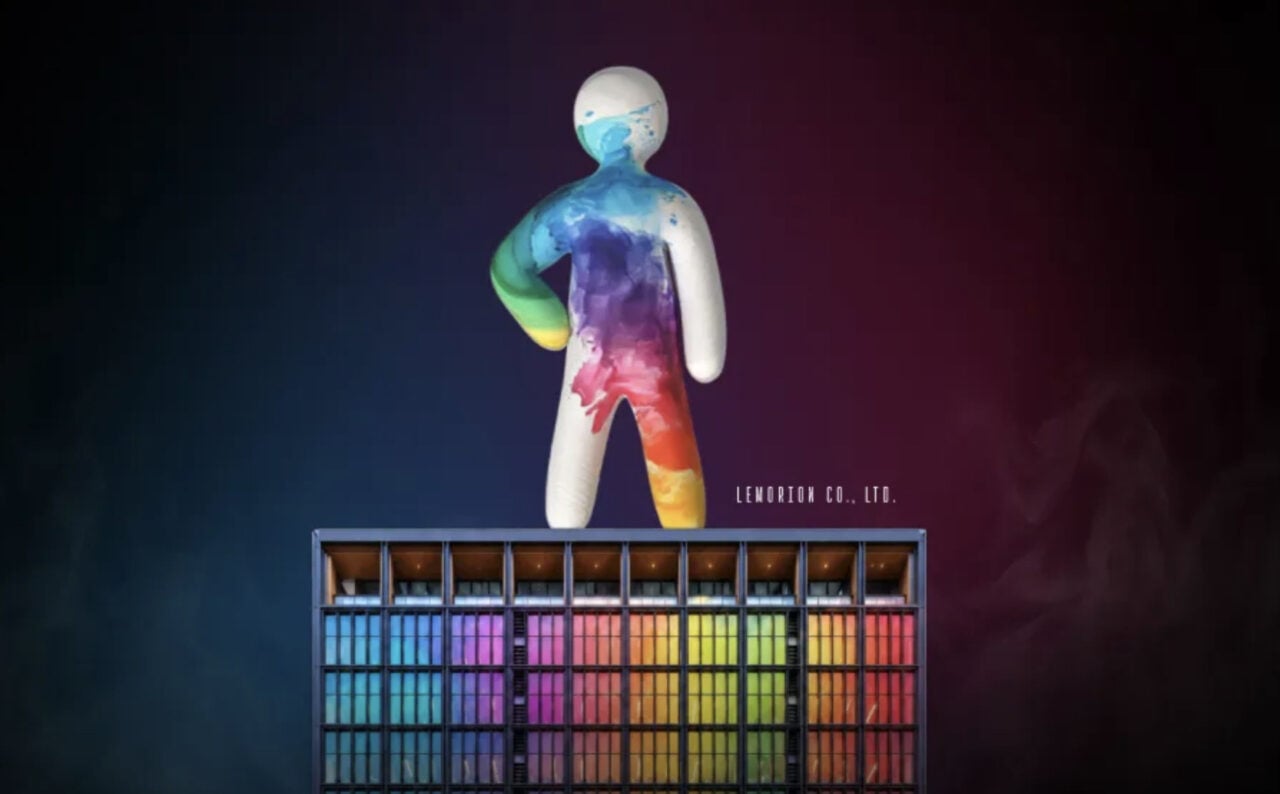
Meccha Chameleon, the viral indie puzzle game that captivated players with its deceptively simple hide-and-seek mechanics, is graduating from screen to sidewalk. The game's developer has announced an official real-world event that translates the core gameplay loop into physical space, letting players paint and hide human figures in actual environments rather than digital canvases.
The pivot reflects a broader industry trend of translating successful indie games into experiential formats. Meccha Chameleon's premise revolves around painting a chameleon to match its surroundings, then spotting camouflaged creatures hidden across increasingly complex backgrounds. The game's zen-like pacing and visual polish accumulated millions of plays and spawned countless clips of players struggling to find hiding spots. Now the developer is channeling that engagement into tangible installations and events.
Details remain sparse on the exact format and location of these real-world events, but the core mechanic appears straightforward. Players will paint human figures using techniques that mirror the game's visual logic, then hide them within real environments where other participants must locate them. The concept preserves the game's DNA, where observation skills and creative concealment trump reflexes and twitch gameplay.
This move echoes successful precedents. Games like Pokémon Go proved augmented reality could sustain engagement across digital and physical boundaries. Experiential gaming installations at museums and galleries have drawn crowds for years. Fortnite and Roblox host in-person fan events tied to virtual cosmetics and seasonal content. However, Meccha Chameleon's approach feels more grounded and accessible, requiring no app integration, expensive AR hardware, or battle pass dependencies.
Meccha Chameleon launched on Steam and Nintendo Switch to steady acclaim but broke through as a viral phenomenon through social media. Clips of players frantically scanning screenshots for hidden chameleons generated engagement that felt genuinely earned rather than manufactured. The game's wholesome aesthetic, accessible difficulty curve, and meme-friendly frustration made it a crossover hit that appealed beyond traditional gaming communities.
The real-world event signals confidence in the IP's staying power. Developers rarely invest in physical activations unless they believe the audience will sustain interest beyond the initial viral moment. For Meccha Chameleon, that audience clearly exists and hungers for more experiences tied to the franchise.
This expansion also hints at merchandising potential. Physical chameleon figurines, art books, or community challenges could follow. Streaming events featuring players competing to hide and find figures would leverage existing creator enthusiasm without requiring new game development.
The announcement lands as indie puzzle games dominate platform charts. Titles like Balatro, A Space for the Unbound, and Viewfinder proved that small-scope, high-concept games command mainstream attention when executed with polish and personality. Meccha Chameleon belongs in that lineage, and its willingness to experiment with format diversity could establish a template for other indie studios pursuing longevity beyond launch.
Whether the real-world events become ongoing community fixtures or limited promotional campaigns remains to be seen. Either way, Meccha Chameleon's creators have recognized what their viral success actually revealed. Players don't just want to play the game. They want to live inside its logic.