# 8 Things We Noticed In The Legend Of Zelda: Ocarina Of Time Remake Trailer
Nintendo dropped a remake trailer for The Legend of Zelda: Ocarina of Time, and the announcement confirms what fans suspected for months. The studio has rebuilt the N64 masterpiece from the ground up for modern hardware, staying true to the original while modernizing the presentation.
The remake retains the core structure of the 1998 classic. Link still travels through Hyrule as a child and adult, solving puzzles across seven dungeons while confronting Ganon's rise to power. The story beats remain unchanged. Ocarina of Time defined the 3D action-adventure template that influenced decades of game design, so Nintendo's approach centers on preserving what worked while fixing what didn't.
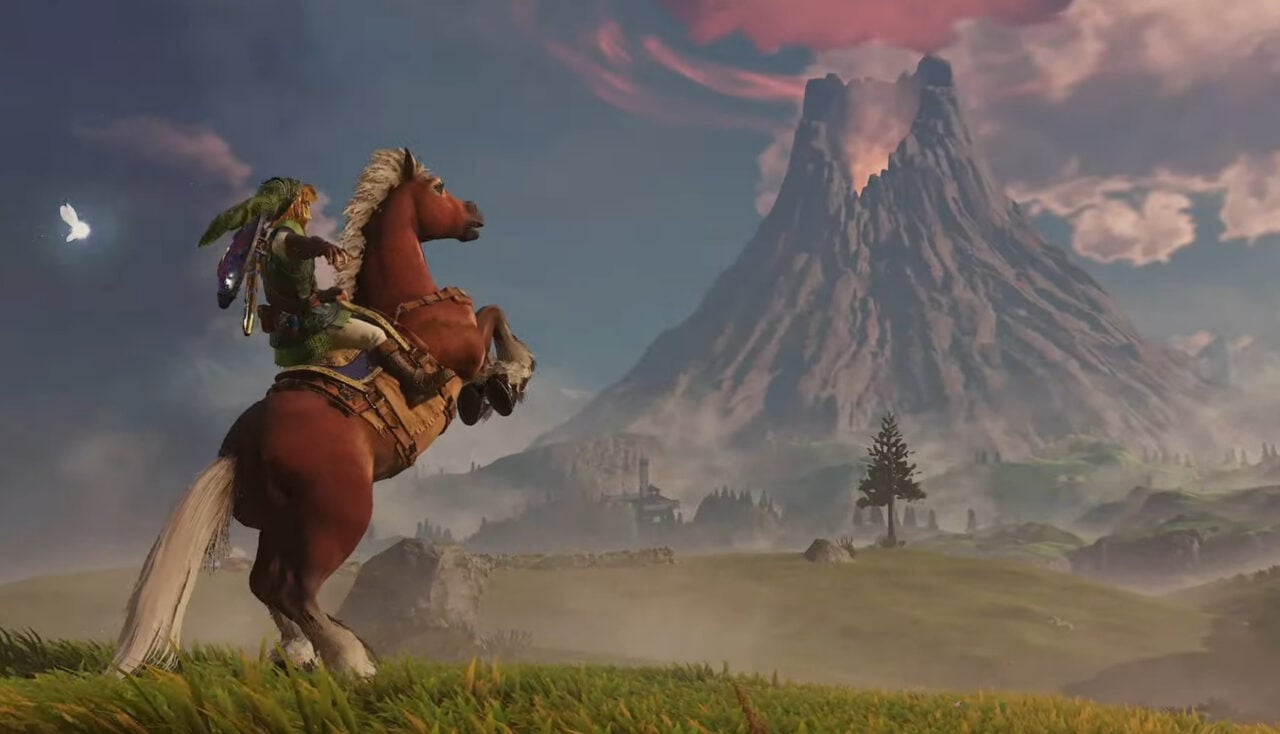
Visually, the remake abandons the low-polygon aesthetic of the original. Character models now feature higher polygon counts and smoother animations. The environments use modern texture mapping and lighting techniques. Shadows cast properly. Water reflects light realistically. These changes transform the game's presentation without altering level design or enemy placement, allowing veteran players to navigate by muscle memory.
The camera system shows the most obvious evolution. The original N64 version forced players to manage a clunky third-person perspective that frequently got caught on geometry. The remake appears to give players more control, positioning the camera closer to Link and responding more fluidly to player input. This addresses one of the most common complaints from the original.
Combat animations look more fluid than the stiff sword-swinging of the N64 original. Link's strikes land with more weight. Enemy reactions convey impact better. These improvements make combat feel responsive without fundamentally changing how battles work.
The remake supports modern controller layouts. Rather than cramming everything onto the N64's unusual three-pronged controller, the new version maps actions to standard console controllers, making the game feel immediately accessible to players who grew up with DualShock or Xbox layouts.
Environmental details suggest Nintendo examined every inch of the original world. Goron City still sits inside Death Mountain. Zora's Fountain maintains its iconic layout. The Lost Woods preserve their branching paths. Players who memorized the original map will find everything in expected places, which matters for a game built on environmental puzzle-solving and exploration.
The trailer hints that side quests and collectibles remain intact. The Skull Kid appears in Lost Woods scenes, suggesting the Mask side quest system survived the transition. Fishing ponds are visible. These elements represent dozens of hours of content beyond the main campaign.
Performance targets matter here. The original ran at roughly 20 frames per second on N64 hardware. The remake targets 60 frames per second on current-generation consoles, eliminating the stuttering players endured for 26 years. This single change transforms the feel of sword combat and platforming precision.
The release window remains undisclosed, though Nintendo's pattern suggests a 2024 or early 2025 launch window. The company learned from Breath of the Wild that remakes can reinvigorate aging franchises for new audiences while satisfying nostalgia-driven veterans. Ocarina of Time represents the studio's biggest remake opportunity since Link's Awakening on Switch, and they appear committed to honoring the source material while embracing modern capabilities.