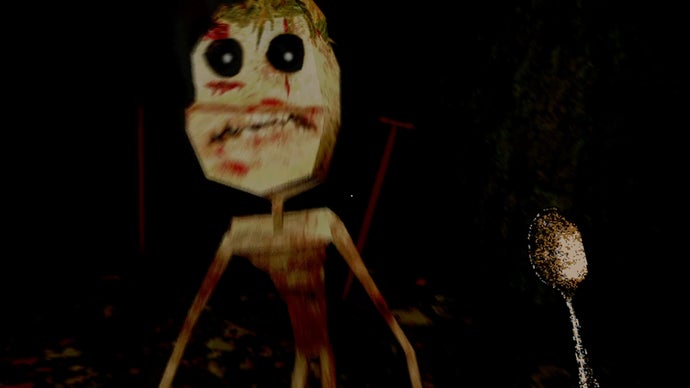
The Well Is Not Empty flips horror convention by revealing its monsters upfront, then betting that visibility breeds tension rather than comfort. Developer Emika Games builds dread through mechanics rather than fog, forcing players into constant resource management against photophobic creatures that hunt in darkness.
The game pairs light-sensitive enemies with time-limited switches. Players must navigate environments while managing when lights stay active, creating a rhythm of illumination and shadow. Run out of time on a switch and darkness descends. Stay too long in brightness and monsters grow restless. The core loop demands split-second decisions between safety and progress, transforming what could feel like a simple puzzle into sustained psychological pressure.
This design choice reflects a growing trend in indie horror. Games like Amnesia: The Dark Descent proved that the unknown generates fear, but The Well Is Not Empty argues that constraint generates fear just as effectively. When a creature stands visible in the corner but proximity means death, and when your only defense is a ticking light switch, the horror shifts from visual to tactical. Players feel hunted not because they cannot see the threat, but because they cannot escape its rules.
The digging mechanic adds another layer. Excavation for resources or escape routes forces players deeper into confined spaces where light spreads thinner and monsters draw closer. Frantic digging becomes the game's rhythm. Dirt flies. Seconds count. The moment you expose something underground, whether resource or passage, you must immediately decide whether to grab it before darkness swallows you whole or retreat to safety and abandon your progress.
Photophobia as a design pillar differs sharply from typical horror game architecture. Most titles use darkness as the enemy. Resident Evil games make shadows dangerous. The Well Is Not Empty inverts this. Light becomes the player's only tool and also their adversary. Creatures that fear illumination still surround the player in lit spaces. The threat exists whether lights blaze or not. This creates constant unease. No safe zone truly exists. Only managed risk.
The monster design itself signals Emika Games' commitment to unsettling presentation without relying on gore or jump scares. Broken teeth imagery and well-bottom eyes suggest wrongness through detail rather than grotesqueness. Players see these creatures fully, understanding their basic form and behavior, yet remain fundamentally disturbed. The xylophone teeth suggest something familiar rendered alien. The well-eyes connect the monster to the game's core location and theme. Design serves narrative and mechanics in tandem.
Early reactions from Rock Paper Shotgun and the wider indie scene suggest The Well Is Not Empty connects with players fatigued by conventional horror formulas. The combination of light-switch resource management, digging mechanics, and visible-but-terrifying enemies creates a gameplay experience that horror fans recognize but cannot quite predict. That uncertainty matters. Players approach The Well Is Not Empty knowing roughly what to expect but unable to anticipate how the game will execute pressure and pacing.
The title itself carries weight. A well that is not empty contains something. That something watches. That something waits for your light to fail. Emika Games has built a game that trusts players enough to show the monster and intelligent enough to make that revelation the beginning of terror, not its end.