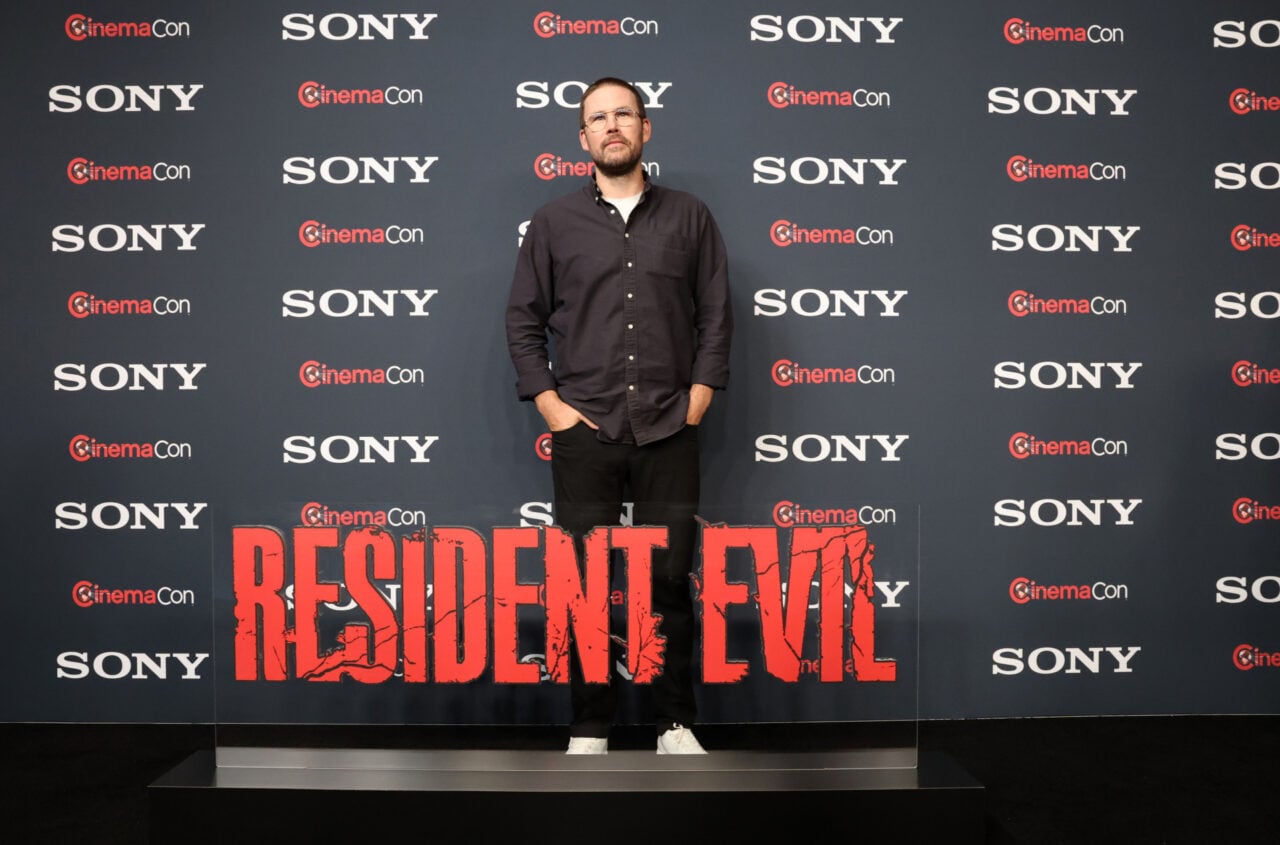
# Resident Evil Director Zach Cregger Defends Upcoming Film Amid Fan Skepticism
Zach Cregger, director of the forthcoming Resident Evil film, is acutely aware that the franchise carries baggage. Multiple failed adaptations have left players wary of Hollywood's ability to translate Capcom's survival horror series into cinema. Cregger finds himself in a defensive position before his film even releases.
"I feel like I've been on an apology tour," Cregger told Kotaku, acknowledging the uphill battle facing any RE adaptation. The comment reflects genuine frustration with preemptive judgment from a fanbase scarred by Paul W.S. Anderson's six-film run (2002-2016), which abandoned the games' core DNA in favor of action spectacle and original characters. That trilogy, despite commercial success, alienated purists who wanted fidelity to the source material.
Cregger's approach differs markedly. He has committed to grounding the film in the games' narrative foundation, pulling from the original PlayStation titles and RE7 storylines. The director emphasizes practical horror over CGI excess, positioning his adaptation as a return to atmosphere and dread rather than bombastic set pieces. Early images suggest a tone closer to James Wan than to Anderson's sci-fi bloat.
The filmmaker's confidence ultimately rests on the finished product. "The movie will speak for itself," Cregger stated, deflecting further preemptive criticism. This is a standard defensive posture for franchise revivals, but it carries weight here. Resident Evil adaptations live or die on execution, not promises.
Hollywood's track record adapting video game IP has improved incrementally. Sonic the Hedgehog (2020) recovered from creative course corrections. The Last of Us HBO series (2023) earned critical consensus through character work and restraint. Detective Pikachu and the Super Mario Bros. Movie found tonal balance. These successes prove that video game films don't require radical departures to succeed, yet the industry spent decades proving the opposite.
Resident Evil occupies unique space. The franchise already pivots dramatically between entries. Resident Evil 4 reinvented the formula toward action-adventure. RE7 returned to biological horror and first-person intimacy. The series' internal flexibility means Cregger isn't adapting monolithic source material, but rather selecting which era and thematic approach resonates with film audiences.
The apology tour comment also signals broader exhaustion with remake culture. Fans express fatigue over reboots, reimaginings, and legacy sequels. Cregger inherited this cultural moment. His film exists within a crowded adaptive landscape where superhero properties dominate, streaming services churn out half-realized genre films, and original screenplays struggle for theatrical slots. Resident Evil must overcome both franchise-specific skepticism and audience weariness with adaptations generally.
Capcom ultimately holds the keys. The publisher greenlit Cregger's vision and controls what reaches theaters. Unlike previous Anderson iterations, which Capcom largely allowed free rein, this adaptation suggests closer collaboration between studio and filmmaker. Whether that manifests as creative synergy or compromise remains unknown.
Cregger's comment about his apology tour reflects honesty uncommon in filmmaker interviews. Most directors defend their work preemptively with buzzwords and franchise promises. His acknowledgment that the deck feels stacked against him signals either genuine humility or strategic transparency. Either way, the film's reception will determine whether Capcom pursues additional Resident Evil cinematic projects or returns to internal creative control, as they did by developing the RE remakes with Japanese development teams rather than outsourcing to Hollywood entirely.