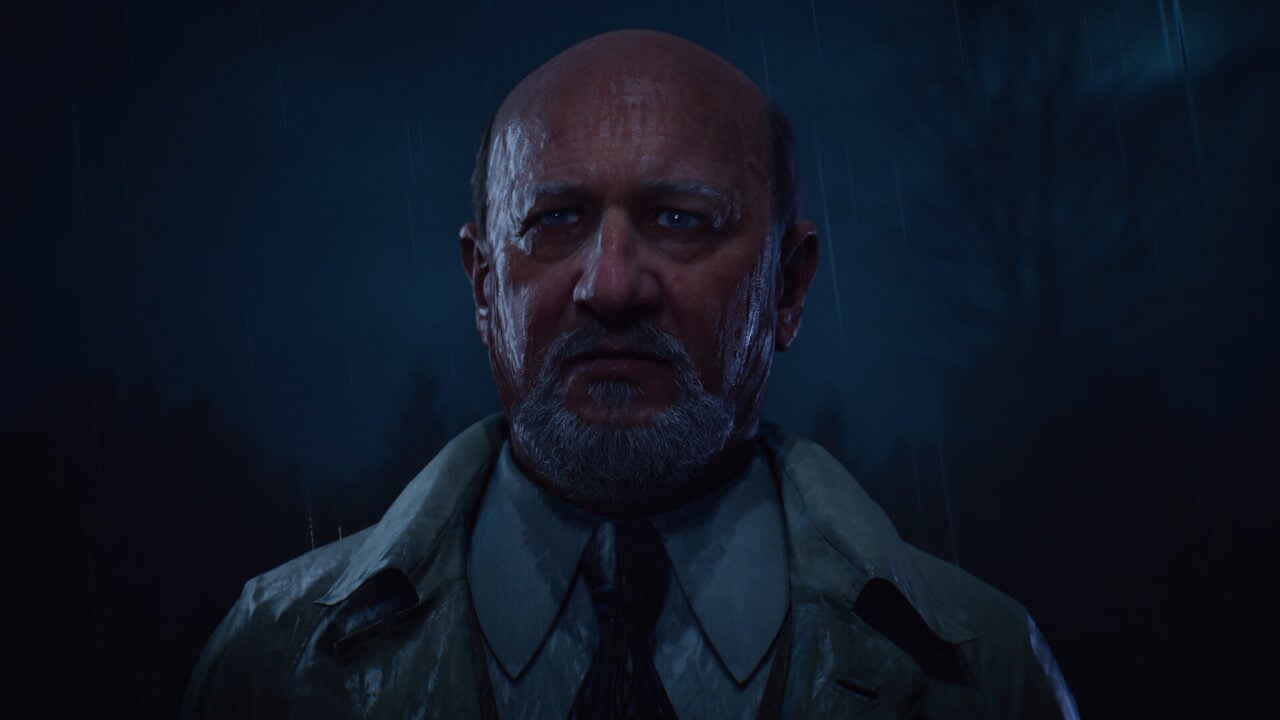
Halloween: The Game, developed by Aspyr Media, yanked a sex minigame from its code within hours of launch after players discovered the mechanic involved a character modeled after the late Donald Pleasence with underage characters. The studio deployed an emergency patch to scrub the content before the game hit retail shelves.
The incident emerged when players began digging through the game's files pre-release. They found a minigame that allowed a Dr. Loomis-style character, designed to resemble Pleasence who played that role in the original Halloween films, to engage in sexual encounters with 17-year-old teens. This discovery triggered immediate backlash from the community and prompted swift developer action.
Aspyr Media moved fast. The patch went live before the game's official public release, removing the minigame entirely from the codebase. The decision reflected both legal liability and reputational risk. Using a likeness of a deceased actor in such content raises intellectual property concerns, while the age element introduces content moderation problems across digital storefronts like Steam and console platforms.
Halloween: The Game itself represents a licensed adaptation of John Carpenter's 1978 horror classic. Licensed games built around established properties operate under strict approval frameworks. Publisher oversight typically includes content review before release. The presence of such a minigame suggests a significant breakdown in quality assurance processes or approval chains.
The timing matters. Modern game launches face intense scrutiny from streamers, dataminers, and community members who dissect code within hours. Aspyr couldn't contain the discovery once players found it. Pre-release content analysis has become industry standard. Studios now operate with the assumption that anything in the game files will surface publicly.
This incident underscores ongoing tensions in game development around content boundaries. Horror games regularly push limits, but the combination of a real actor's likeness, underage characters, and sexual content crossed multiple red lines simultaneously. No major publisher would greenlight such content through normal review cycles.
The emergency patch also raises questions about how this content made it into the game in the first place. Whether it represented a developer joke that wasn't caught, a deliberate inclusion that bypassed oversight, or abandoned content left in the files remains unclear. Aspyr Media hasn't released a detailed explanation of how the minigame entered the codebase or who approved it during development.
For Halloween: The Game's commercial viability, the incident creates lasting damage. Players now associate the title with the controversy rather than the IP. Review copies likely faced scrutiny over remaining content. Steam and console certification teams would have flagged the original version. The emergency fix became necessary to move forward with any launch at all.
This reflects broader industry challenges around licensed IP and content moderation. Publishers licensing major franchises depend on quality gates. One lapse in oversight can taint an entire release. Aspyr Media's quick response prevented the game from shipping with the problematic content, but the reputational hit persists. Players remember the scandal longer than they remember the patch.
The removal closed the immediate crisis. Whether Halloween: The Game recovers commercially depends on its core gameplay quality and whether players view Aspyr's response as sufficient accountability.