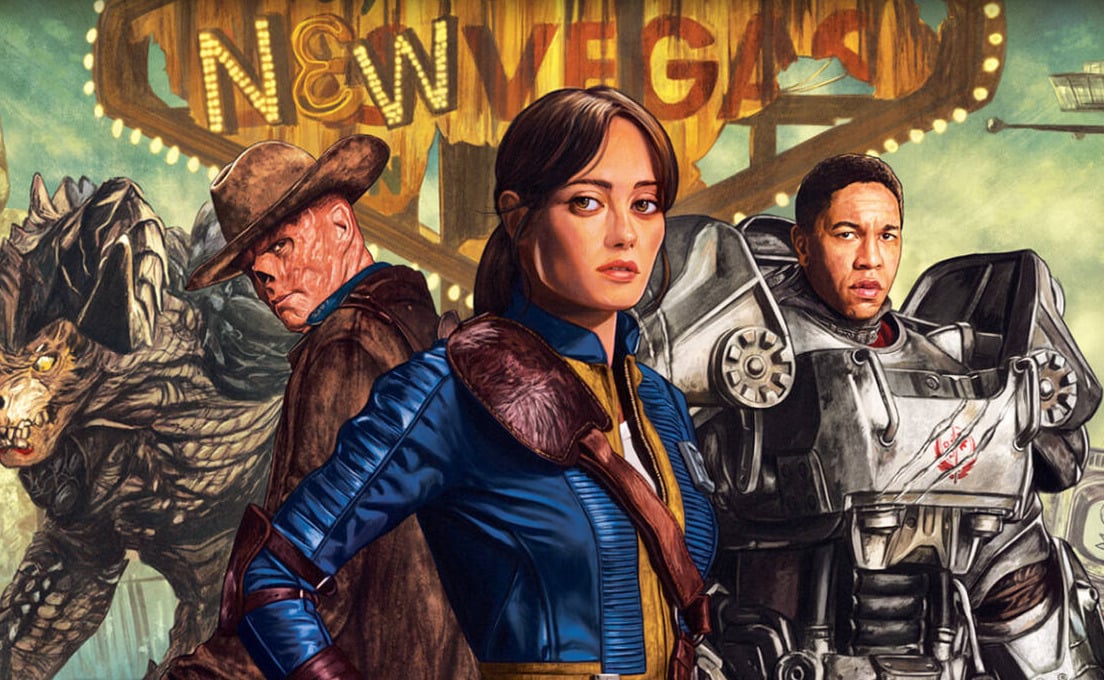
Stern Pinball, the dominant force in arcade pinball manufacturing, continues its strategy of licensing major entertainment franchises for physical machines. The company now offers a Fallout-themed pinball table, expanding beyond its recent Pokemon collaboration and tapping into the vault-dweller universe that extends across games, television, and collectible culture.
The Fallout machine arrives as Stern rides momentum from its 2023 Pokemon pinball release, which proved successful enough to justify further video game IP exploitation in the analog space. Stern controls roughly 80 percent of the modern pinball market, making its licensing decisions a barometer for what entertainment properties the industry considers bankable for arcade conversion.
The Fallout table draws aesthetic and narrative inspiration heavily from the Amazon Prime Video series that debuted in April 2024, rather than pulling exclusively from Bethesda's 25-year-old video game franchise. This positions the pinball machine as transmedia product marketing. The show's visual identity, characters, and post-apocalyptic Americana design language translate more readily to physical pinball mechanics than raw game mechanics would. Fallout 76, Bethesda's live-service multiplayer entry, had already proven the franchise could venture beyond single-player territory. A pinball table represents another vector for brand extension.
Stern's pivot toward video game and streaming entertainment licenses reflects how the pinball industry targets audiences beyond hardcore collectors. Traditional pinball tables sold in the 1980s and 1990s featured movie monsters, pop stars, and licensed sports properties. Modern Stern machines target two distinct buyers. Arcade operators stock premium tables in bars, barcades, and entertainment venues where casual players pay per game. Collectors purchase higher-end models for private collections, spending $5,000 to $8,000 per machine. Both groups respond to contemporary cultural touchstones.
The Pokemon machine attracted players unfamiliar with pinball who possessed familiarity with Pokemon from mobile games, card games, or the long-running anime. Fallout similarly benefits from the show's mainstream visibility and recent cultural moment. Players who streamed the television series but never played Fallout games can engage with recognizable characters and environments through pinball's mechanical gameplay loop.
Stern's licensing strategy also reflects the company's need for volume given manufacturing scale. The company produces hundreds of machines annually across multiple simultaneous titles. Without major franchise partnerships, Stern would depend on its own original properties or niche entertainment licenses. Video game IP provides both cultural relevance and pre-built fan communities.
The Fallout pinball table enters production as arcade pinball experiences a modest resurgence. Specialty barcades opened in major cities during the 2010s and remain profitable. Pinball leagues operate in cities across North America and Europe. Championship tournaments attract competitors worldwide. The 2021 documentary "Pinball: The Man Who Saved the Game" reintroduced pinball to general audiences by framing the industry's survival story.
Stern's continued investment in high-profile licenses like Pokemon and Fallout signals confidence in the market's health and the company's ability to convert cultural moments into playable machines. Whether the Fallout table maintains collector appeal or attracts casual players depends on table design quality and how effectively the show's themes translate to flipper-based mechanics.