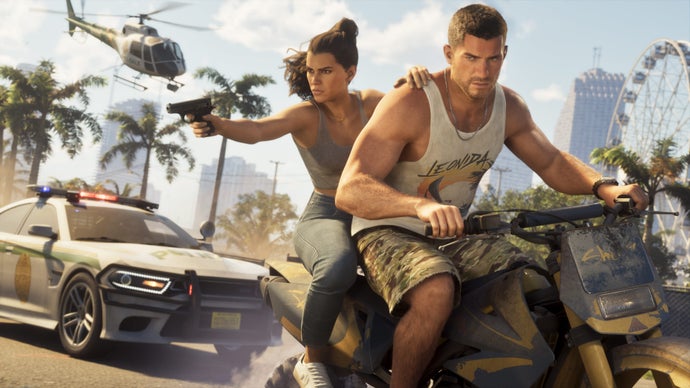
# Miami Police Clash with Mayor Over GTA 6 Promotional Campaign
Miami-Dade's mayor is pursuing an unconventional marketing push with Rockstar Games: transforming parts of the county into physical recreations of Vice City, the fictional Miami-inspired setting at the heart of Grand Theft Auto 6. The plan involves staging an "immersive arrival experience" at Miami International Airport, complete with Vice City signage and aircraft wrapped in GTA 6 branding.
The proposal has triggered sharp backlash from law enforcement and the judiciary. Miami-Dade police voiced outrage, arguing that Rockstar's flagship franchise embodies everything they work daily to prevent. Officers contend that a game celebrated for its glorification of carjacking, drug trafficking, murder, and gang violence sends the wrong message to residents and tourists visiting the region.
This represents a direct collision between civic promotion and policing philosophy. The mayor sees marketing value in GTA 6's cultural footprint and Miami's authentic connection to the game's setting. Law enforcement views the campaign as legitimizing criminal behavior and undercutting public safety messaging.
The timing amplifies the tension. GTA 6 launches in fall 2025 on PlayStation 5 and Xbox Series X/S following years of anticipation. Rockstar's marketing machine will run at full throttle, and municipalities nationwide will face similar pitches to capitalize on the release's cultural momentum. Miami, where the game is set, represents the obvious flagship opportunity for such partnerships. The mayor's proactive approach reflects competitive thinking about tourism revenue and entertainment industry relations.
Yet the law enforcement perspective carries operational weight. Police departments invest heavily in community trust campaigns and violence prevention initiatives. They argue that associating municipal identity with a franchise built on simulated criminality undermines recruitment messaging, public cooperation, and youth outreach programs. Judges raised similar concerns about institutional credibility.
The irony runs deep. GTA 6 is itself inspired by Miami's authentic culture, landscape, and history. The game exists because Rockstar mined the city's real geography and criminal landscape for interactive entertainment. Now Miami's leadership proposes to invert that relationship, reshaping public space to match the game's fictional version of the city. It's a loop of cultural colonization: reality becomes art, then art reshapes how we market reality.
Rockstar Games has not publicly confirmed the scope of these proposals or whether such partnerships align with their marketing strategy. The studio typically maintains distance from official municipal involvement, preferring organic grassroots hype and influencer partnerships. However, airport theming and official city rebranding represent unprecedented access to public infrastructure for a games marketing campaign.
This dispute previews broader conversations about how gaming culture integrates into civic identity. As games grow into entertainment behemoths rivaling film and sports, cities will face pressure to capitalize on gaming IP or risk appearing out of step with younger demographics and tourist interests. Law enforcement agencies must decide whether to resist such partnerships or engage strategically with studios to shape messaging.
The Miami-Dade situation lacks resolution at present, but the stakes are clear: the future role of games in public space, city branding, and institutional legitimacy. Rockstar's response will signal whether major studios view municipal partnerships as beneficial or complicated.