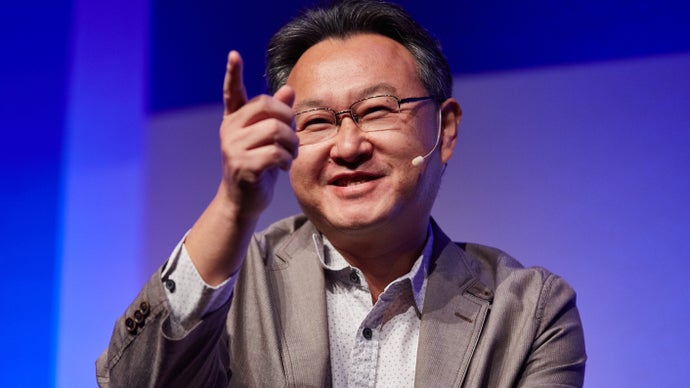
Shuhei Yoshida, the veteran PlayStation executive who shaped the platform's indie strategy for over a decade, is co-hosting an unconventional game jam focused on poetry and games. The event runs September 7-8 and pairs Yoshida with Jordan Magnuson, founder of TIGSource, the influential games criticism and culture site that launched in 2005.
The jam explicitly targets creators willing to blur lines between gaming and poetry. Rather than traditional game development mechanics, participants will explore how narrative, language, and artistic expression intersect within interactive spaces. This reflects a broader industry shift toward recognizing games as legitimate artistic media that can absorb techniques from literature, visual art, and performance.
Yoshida brings substantial credibility to the initiative. As head of PlayStation Indies from 2014 to 2023, he championed experimental titles like Outer Wilds, Return of the Obra Dinn, and Spiritfarer. His tenure proved that console platforms could profit from niche, artistically ambitious work alongside blockbusters. Yoshida's recent departure from PlayStation after nearly three decades positions him to explore passion projects, and this jam signals his continued investment in gaming's creative edges.
Magnuson's involvement carries equal weight. TIGSource pioneered intelligent games discourse during an era when mainstream media dismissed the medium. Under Magnuson's leadership, the site published critical analysis of indie games before the category had commercial viability. TIGSource documented the rise of developers like Team Meat, Jonathan Blow, and the Cave Story phenomenon. Magnuson's presence here suggests the jam treats poetry-games not as niche oddity but as legitimate creative territory.
The jam's framing matters. By explicitly stating it "challenges traditional boundaries between art forms," organizers signal they're not asking participants to create games with poems inside them. Instead, they're asking: what happens when you treat game design and poetry as equal partners? This invites work that may read as abstract, non-narrative, or deliberately non-interactive by conventional standards. Previous game poetry experiments like Twine titles, hyper-literary walking simulators, and constraint-based interactive fiction suggest the jam will accept highly experimental submissions.
Timing reflects market momentum. The indie sector has matured enough to support artistic experimentation without demanding commercial viability. Platforms like itch.io host thousands of micro-projects. Publishers like Annapurna Interactive explicitly market art games to mainstream audiences. Game poetry no longer occupies fringe status. Major festivals like GDC and indie events worldwide feature poetry-game discussions. This jam arrives when enough creators and audiences exist to make the exercise meaningful.
The announcement itself signals how gaming's elder statesmen now operate. Yoshida stepped down from PlayStation with options. Rather than consult for AAA studios, he's hosting experimental jams. This reflects confidence that creative risk-taking generates both cultural respect and long-term industry value. Magnuson's return to active project curation after years building TIGSource's archive suggests similar priorities: stewarding games as artistic medium matters more than chasing metrics.
For participants, this represents a rare chance to create under the mentorship of figures who shaped modern games criticism and indie publishing. Neither Yoshida nor Magnuson arrives as gatekeepers enforcing orthodoxy. Both spent careers identifying work that challenged what games could be. This jam codifies that legacy into a live creative event.