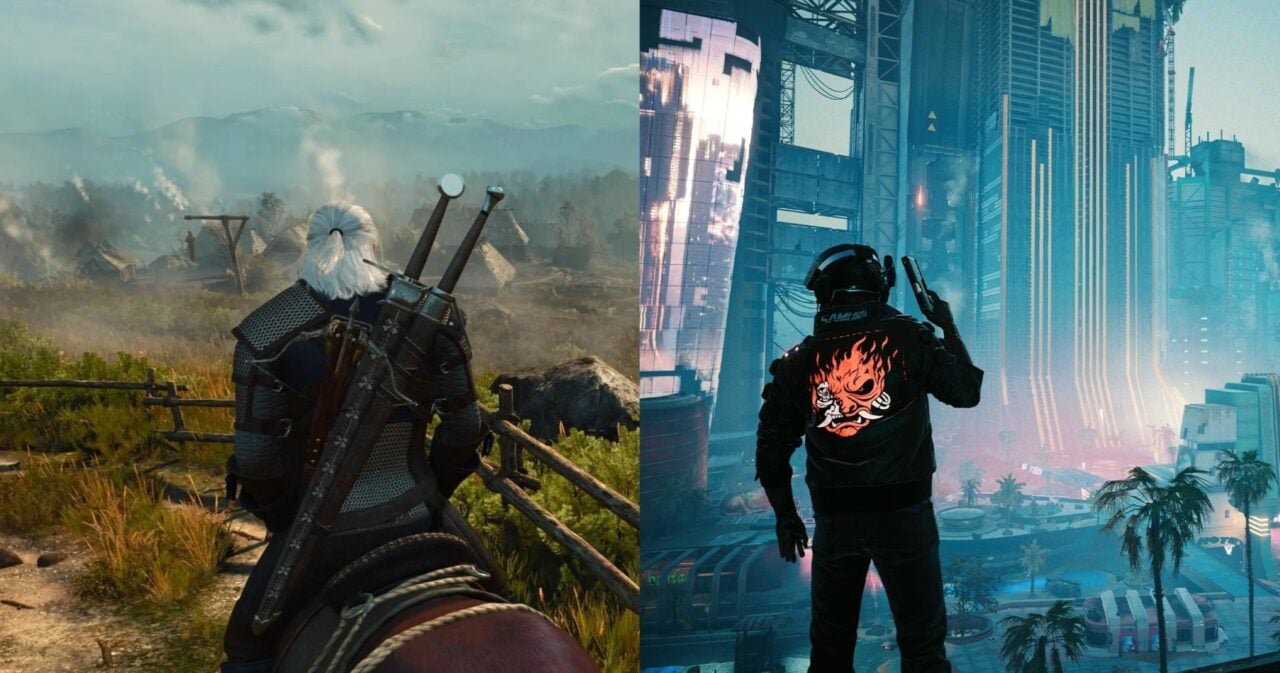
CD Projekt Red is positioning The Witcher 3 Next-Gen remaster as far more than a visual refresh. The studio frames the overhaul as closer to a 2.0 revision of the 2015 open-world RPG, signaling ambitions that extend beyond typical remaster scope.
The distinction matters. When studios release remasters, players expect enhanced graphics, higher frame rates, and modernized UI elements. CD Projekt Red's language suggests structural changes to how Witcher 3 functions. The "2.0 overhaul" framing indicates potential gameplay refinements, system reworks, and content additions that transcend cosmetic updates.
Witcher 3 shipped nine years ago on PlayStation 4 and Xbox One. The game aged remarkably well, but time leaves gaps. Ray tracing remained absent from the base experience. Inventory systems, quest design, and combat feel dated by 2024 standards. CD Projekt Red has opportunity to address these without abandoning what made the original special.
The studio learned hard lessons from Cyberpunk 2077's 2020 launch catastrophe. That disaster taught CD Projekt Red the value of substantive post-launch work. The Cyberpunk 2.0 update fundamentally reimagined vehicle combat, police mechanics, and level design. Players who abandoned the game at launch returned to find a different product. That experience informs how CD Projekt Red approaches Witcher 3's remaster.
Previous statements hinted at expanded content. Quest additions, improved side missions, and new encounters could arrive alongside the technical enhancements. The studio wouldn't call this a "2.0" if the scope remained minimal. The language commitment suggests meaningful systemic changes.
Expectations must remain tempered. CD Projekt Red has faced credibility challenges after Cyberpunk's launch. Overpromising carries real risk. The studio knows this. Using "2.0 overhaul" language in interviews signals confidence, but also sets high bars. Delivery matters more than rhetoric.
The remaster launches across PC, PlayStation 5, and Xbox Series X/S. Performance-focused consoles demand optimization work. Ray tracing implementation, draw distance expansion, and texture upscaling require substantial engineering. The studio hasn't announced a release date, suggesting work remains substantial.
Player sentiment matters here. Witcher 3 veterans hold genuine affection for the original. They fear changes might dilute what worked. CD Projekt Red must balance modernization with preservation. Changing too much risks alienating the existing audience. Changing too little justifies skipping the remaster entirely.
The timing positions Witcher 3 as a stopgap before Cyberpunk 2 arrives. CD Projekt Red works on multiple projects. Witcher 3's remaster keeps the studio visible while bigger projects develop in the background. It maintains franchise momentum and generates revenue while larger teams handle next-generation titles.
For PC players running high-end hardware, the remaster presents less urgency. Ray tracing mods and texture packs already exist in the community. Consoles offer the real upgrade opportunity. PlayStation 5 and Xbox Series X owners get access to the full visual potential previous-generation hardware couldn't deliver.
The industry watches closely. How CD Projekt Red executes this remaster sets expectations for how major studios handle aging blockbusters. The Witcher 3 remains one of the most successful RPGs ever made. Its remaster carries weight beyond simple commercial calculation.