# A Fresh Asymmetrical Horror Game Arrives with Rough Edges but Big Thrills
A new asymmetrical horror title has landed with genuine promise, offering players one of the most entertaining multiplayer experiences in the genre despite technical roughness that will test patience during extended sessions.
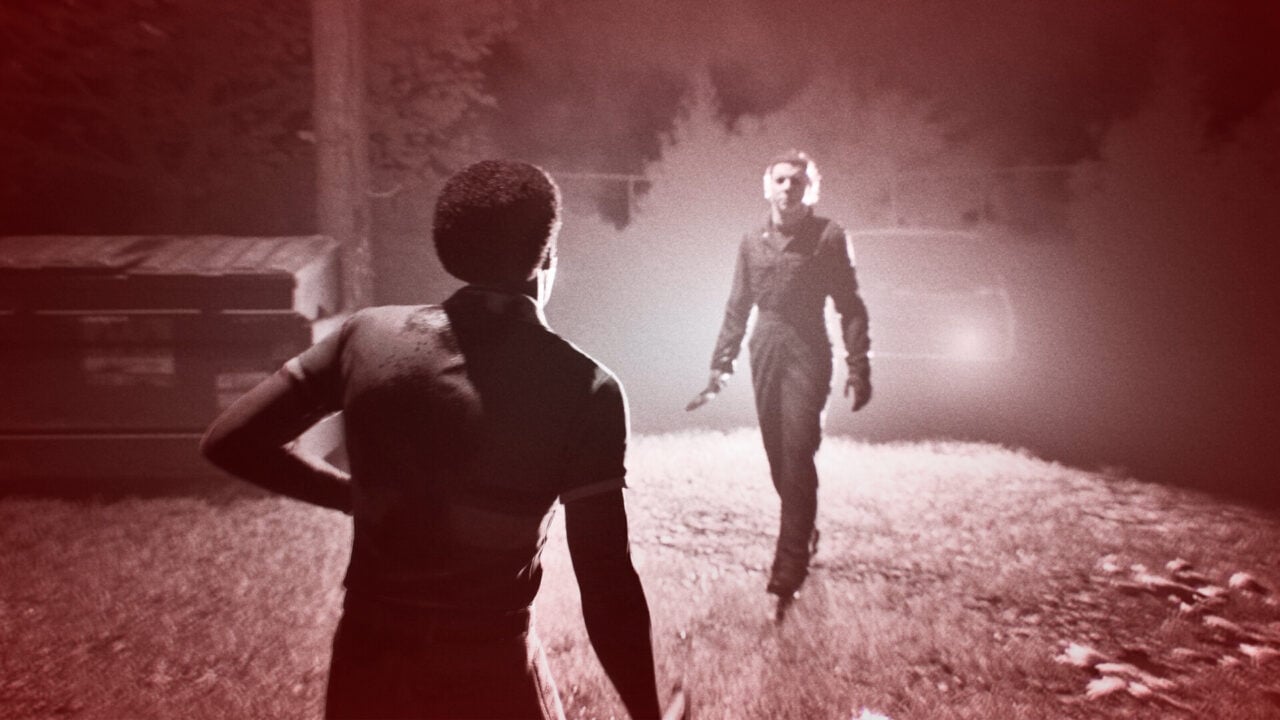
The core loop delivers exactly what asymmetrical horror games should do. One player commands a powerful killer while others scramble for survival, creating natural tension through role asymmetry. The hunting phase feels deliberate. Stalking builds dread. Scares land harder because player reactions shape the outcome. Then comes the chaos when survivors either mount a counter-offensive or die trying. This gameplay cycle works because the power dynamic remains calibrated. Neither side dominates through pure numbers or overpowered mechanics.
The Halloween theming wraps the experience in familiar slasher tropes without relying on licensed IP to carry weight. Custom killer designs and survivor cosmetics give players identity without fragmenting the playerbase through battle pass obsession. The map design encourages both hunting patterns and escape routes, preventing matches from devolving into spawn-killing or hiding simulator.
What separates this from Dead by Daylight or Evil Dead The Game comes down to pacing. Rounds feel tighter. Objective clutching actually matters. Survivors can't stall indefinitely through pure evasion, but the killer can't end rounds through pure bloodlust either. That balance reflects design competence.
The jank problem stems from launch-phase rough edges. Hitbox registration occasionally betrays intention. Animation loops sometimes stutter mid-strike. Server tick rates cause brief desync on both sides of killer attacks. These issues don't break core gameplay but they create friction. A hit that should register doesn't. A survivor escape feels unearned because of network lag rather than skilled play. These moments accumulate across sessions.
Performance also varies between PC and console versions. The PC build runs cleanly on mid-range hardware at 60fps with settings dialed appropriately. Console versions target 60fps but dip to 45-50fps during intense moments with multiple effects firing. These stutters matter more in asymmetrical games where reaction time determines survival.
The player reception reflects this duality. Survival horror communities praise the tense matches and genuine scares when things work smoothly. Hardcore competitive players note the technical issues prevent this from becoming a long-term esports contender or streaming darling. Casual players find enough fun to justify extended play despite occasional frustration.
The developer roadmap promises fixes for hit detection and server stability within the next two patches. Whether those changes arrive quickly determines if this remains a niche hit or grows into the asymmetrical horror space's next major pull. The foundation works. The mechanics sing. The theme resonates.
This game proves asymmetrical horror still generates engagement when designers respect both sides of the power dynamic. It's not perfect launch material, but it's the closest thing to a genuine alternative to the established players in this space. Anyone frustrated with Dead by Daylight's stagnation or Evil Dead's licensing questions should pay attention, technical issues included.