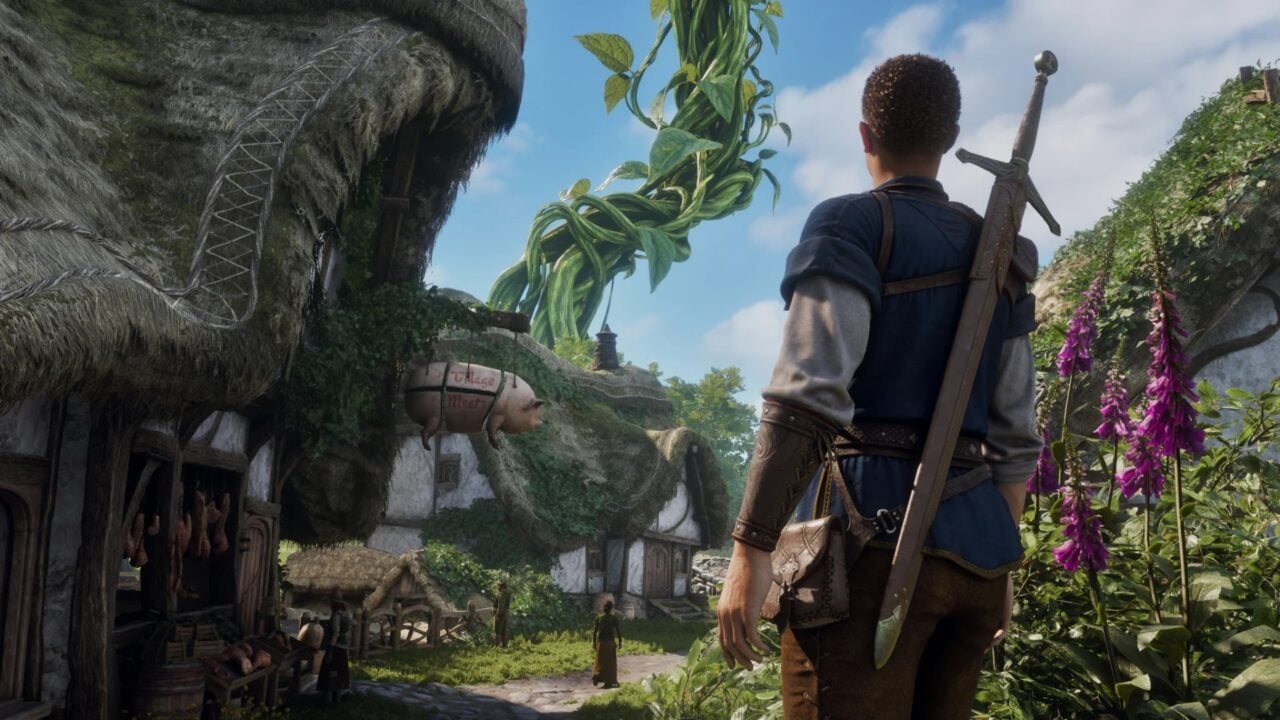
Playground Games' Fable reboot continues to court controversy as it inches toward launch. A Kotaku hands-on session with the full quest structure reveals the combat systems that have sparked debate among the franchise's devoted fanbase.
The demo showcases a medieval fantasy setting where magic remains central to player agency. Lightning bolts and fireballs serve as core offensive tools, with spell-casting woven directly into combat flow. The system rewards experimentation, letting players chain spells together for devastating combinations. Dismemberment mechanics return from earlier Fable titles, adding visceral feedback to combat encounters. Enemies splinter and fragment when players land heavy magical hits, reinforcing the weight of magical offense.
The controversy stems partly from aesthetic choices and gameplay direction. Some longtime fans worried that Fable's shift toward a more grounded fantasy art style and action-oriented combat would strip away the series' unique identity. The original Fable trilogy, developed by Lionhead Studios under Peter Molyneux's direction, leaned into dark humor, moral ambiguity, and consequence-driven storytelling. That tone made the franchise distinct in the late 1990s and 2000s.
Playground Games acquired the Fable franchise from Microsoft in 2018 and spent years rebuilding the property. The studio, known for the Forza Horizon racing series, represents a new creative direction. Early trailers suggested a tonal shift toward brighter, more whimsical fantasy aesthetics, though with darker elements lurking beneath the surface.
This hands-on session appears designed to demonstrate that the studio hasn't abandoned Fable's core DNA. The quest structure allows players to approach objectives through multiple paths. Magic options expand beyond simple damage output. Moral choices carry weight in dialogue trees and quest resolution. Enemy encounters scale in complexity, suggesting depth beyond button-mashing.
The dismemberment system particularly signals that Playground Games respects the franchise's legacy of consequence and physicality. Fable's magic felt impactful because enemies reacted visibly to spellcasting. Lightning didn't just drain health bars; it left visible scars on enemy models and environments. This hands-on confirms that philosophy carries forward.
Combat pacing matters more than raw difficulty. Players can engage tactically with spellcasting, positioning, and resource management. The demo shows encounters that reward smart ability selection over reflexes alone. This aligns with how original Fable games functioned, where magic selection and preparation often mattered more than frame-perfect execution.
The bigger question involves whether Fable recaptures the franchise's narrative ambition. Combat systems only matter if players care about the story they're advancing. Early story beats in this demo suggest character arcs carry emotional weight. NPCs react to player choices in ways that feel genuine rather than cosmetic.
Playground Games faces a narrow path forward. Fable fans want the franchise to evolve, but not beyond recognition. This hands-on combat session suggests the studio understands that balance. Whether the full release validates that approach depends on how story, world design, and long-term progression systems coalesce around the combat foundation shown here.
Fable launches in 2025 on PC and Xbox Series X/S, with a day-one Game Pass inclusion securing immediate audience reach.