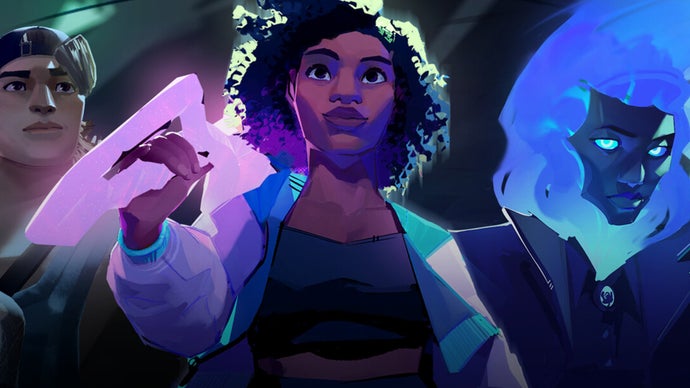
Usual June arrives as a breath of fresh air in a crowded action-adventure landscape dominated by live-service games and roguelike deck-builders. The indie title channels Hades' kinetic combat sensibilities while carving its own identity through crystal crabs, ghosts, and an aesthetic that positions it as a natural fit for Halloween rotations.
The game taps into player hunger for traditional action-adventure experiences. The genre has diminished in prominence over the past five years as studios prioritized roguelikes, deckbuilders, and live-service loopers. Usual June reverses that trend by committing to classic action-adventure design principles. Its influences are clear. Like Supergiant Games' Hades, the game emphasizes responsive combat and replayability without relegating progression to endless loops or randomized card systems.
The crystal crabs and ghost enemies suggest an art direction that blends gothic horror with surreal environmental design. That combination explains the Halloween positioning. Games with strong seasonal appeal have found dedicated audiences. Titles like Hades itself achieved year-round success but see spikes during October, when players actively seek atmospheric experiences. Usual June's thematic elements make it viable for that same cycle.
The development team includes Cara Ellison, a writer known for her work in the gaming press and previous indie projects. Her involvement signals that the narrative layers beyond combat mechanics. Games that pair engaging action with meaningful storytelling tend to find stronger critical reception and player retention than mechanical-only experiences.
The action-adventure drought reveals market gaps. Publishers pushed roguelikes hard throughout the 2020s. Games like Hades, Dead Cells, and Slay the Spire proved the genre's commercial viability. That success flooded the market with imitators. Deckbuilders followed the same trajectory. Meanwhile, the structured, narrative-driven action-adventure genre that defined titles like Devil May Cry, God of War 2018, and Bayonetta received fewer major releases. Usual June addresses that void.
The game's positioning suggests it targets both players fatigued by roguelike prevalence and those seeking autumn-appropriate titles. October spending spikes for horror and atmospheric games create real revenue opportunities. A game that delivers engaging action in October and maintains appeal year-round hits multiple market moments.
Usual June launches into a climate where players actively seek alternatives to roguelike fatigue. The indie space has proven capable of revitalizing dormant genres. Blasphemous revived 2D action-platformers. Salt and Sanctuary brought soulslike mechanics to 2D. Usual June enters that tradition by resurrecting the action-adventure form.
The crystal crab and ghost enemies hint at boss design philosophy. Memorable enemy types drive action games. Visual distinctiveness combined with unique attack patterns creates the moments players discuss and share. Ghost enemies likely provide narrative context and atmosphere. Crystal crabs suggest environmental puzzle elements or defensive mechanics requiring tactical approaches beyond pure combat.
Usual June positions itself as more than a single-season novelty despite its Halloween appeal. Strong action-adventure games achieve longevity. The combination of core game design quality, visual identity, and thematic richness determines whether it becomes a cult classic or niche release.
The indie action-adventure revival has begun. Usual June participates in that movement while offering specific seasonal advantages. Player reception will determine whether it establishes itself as a fixture in annual Halloween rotations or expands its appeal beyond October.