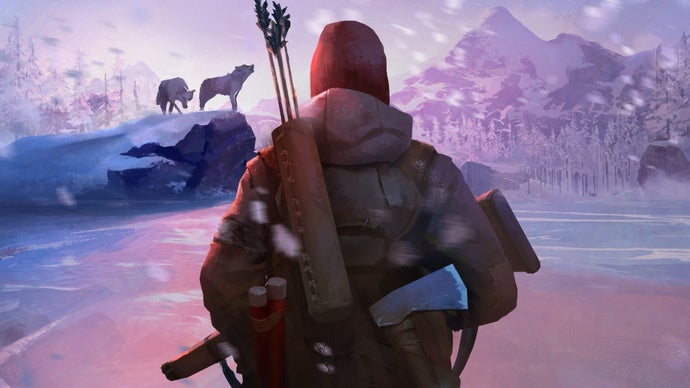
Hinterland Studio is recalibrating its development roadmap for The Long Dark franchise. While Blackfrost, the sequel announced in 2024, remains in active development, the studio has shifted its primary focus back toward supporting the original game's survival mode rather than pouring resources solely into the sequel.
This pivot comes after Wintermute, The Long Dark's story campaign, concluded earlier this year with its fifth and final episode. That completion marked a natural endpoint for the narrative campaign, but rather than transition the entire team to Blackfrost development, Hinterland has chosen to maintain substantial support for the base game's enduring survival mode.
The decision reflects the studio's understanding of what keeps The Long Dark relevant. Since its 2014 early access launch and 2017 full release on PC, with subsequent ports to PlayStation 4 and Xbox One, the game has built its reputation on open-ended survival mechanics. Wintermute served as a story wrapper, but survival mode represents the core loop that sustains player engagement across seasons and years. Hinterland recognizes that abandoning this mode could alienate its existing playerbase while Blackfrost remains years away from launch.
This strategy mirrors industry patterns where live service and ongoing content support often outweigh rushed sequel development. The Long Dark has maintained a dedicated community partly because Hinterland regularly updates survival mechanics, adds environmental challenges, and introduces new regions. Pulling developers away entirely to chase Blackfrost would have risked that momentum.
Blackfrost itself carries both promise and uncertainty. Announced last year, the sequel represents a chance to expand The Long Dark's formula with new engine capabilities and design iterations. However, sequels to niche survival games face inherent risks. They must justify why players should abandon the original experience and its accumulated content library. By keeping The Long Dark actively updated, Hinterland maintains player investment in the franchise ecosystem while Blackfrost develops at a sustainable pace.
The studio's approach also acknowledges resource constraints typical of independent developers. Hinterland is not a massive studio with dozens of teams working in parallel. Allocating some resources to Wintermute's conclusion, maintaining survival mode patches and seasonal content, and advancing Blackfrost requires careful prioritization. The studio cannot do all three simultaneously at full intensity without burning out staff or diluting quality.
For players, this means The Long Dark will continue receiving updates and new content rather than entering maintenance mode. The harsh Canadian wilderness will expand with new regions, mechanics, and challenges. For Blackfrost, it signals a longer development timeline but potentially a more polished release when it arrives.
This rebalancing demonstrates how indie studios navigate multiple projects in competitive markets. Hinterland is not abandoning Blackfrost. The sequel remains the long-term future of the franchise. But the present belongs to The Long Dark, where millions of players still struggle through blizzards and manage depleting resources. By honoring that existing community while developing the next chapter, Hinterland positions itself for sustained success rather than betting everything on an unproven sequel launch.